




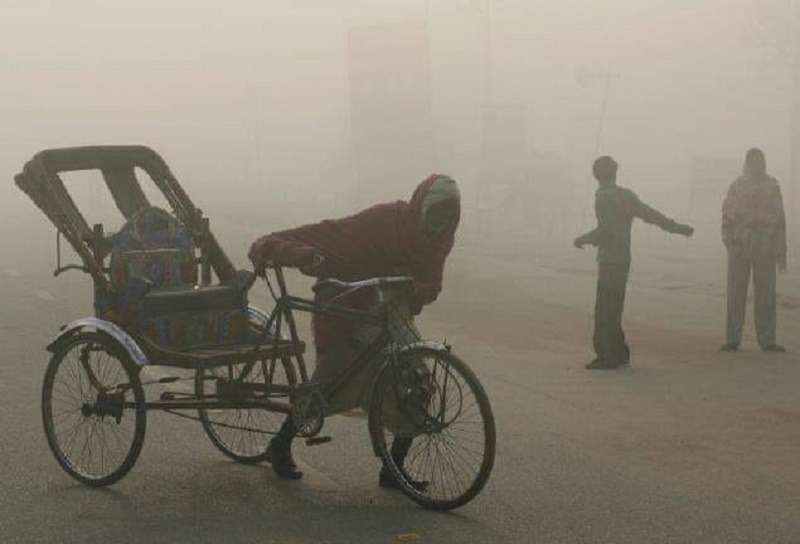
KATHMANDU: As temperatures plummet and fog blankets the Tarai for the fifth consecutive day, residents face the looming threat of a cold wave. However, inadequate preparations to mitigate the impact of this natural disaster have left communities vulnerable.
Government data reveals that cold waves have claimed 116 lives over the past 11 years, highlighting the urgency for effective response mechanisms.
Statistics from the National Disaster Risk Reduction and Management Authority (NDRRMA) indicate that the cold wave’s deadliest impact has been in Rautahat, which recorded 63 fatalities.
Other districts have also faced significant impacts, with Saptari recording 19 deaths, Mahottari 15, Siraha 11, and Dhanusha 4.
The lack of consistent data on cold wave-related deaths in recent years stems from procedural requirements.
“Deaths can only be attributed to the cold wave if certified by a doctor. Otherwise, fatalities may be attributed to related illnesses such as pneumonia or heart attacks,” said NDRRMA spokesperson Dr Dijan Bhattarai.
Despite the guidance outlined in the government’s Cold Wave Disaster Risk Reduction and Response Plan, stakeholders report insufficient action on the ground. Measures such as distributing warm clothes, raising awareness, and improving local-level capacity remain inadequately implemented.
Disaster management expert Dr Dharmaraj Upreti emphasized the need to strengthen local bodies’ capabilities, citing neglect of prior warnings and a lack of prioritized investment as significant barriers.
Climate expert Manjit Dhakal linked the increasing frequency and severity of cold waves to climate change.
“Irregular weather patterns and intensified cold waves are among the emerging challenges that demand robust climate adaptation programs,” said Dhakal.
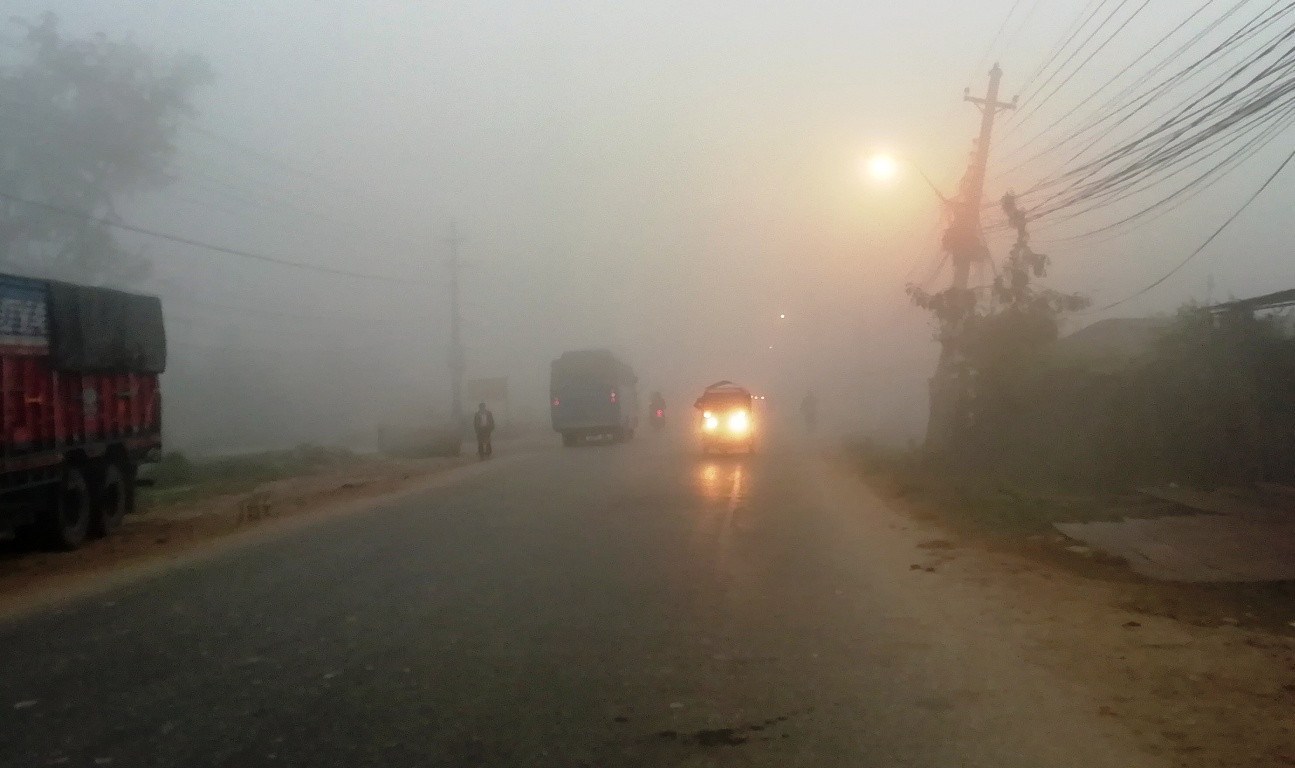
The southern parts of districts like Sunsari, Saptari, and Mahottari remain the most affected. Meanwhile, regions such as Dang, Bardiya, and Kailali face milder impacts but are still at risk.
Doctors warn of heightened health risks during cold waves, urging precautions to prevent pneumonia, skin problems, and cold-induced heart conditions.
Cardiologist Dr Ranjit Sharma said, “The heart is especially vulnerable during extremely cold weather.”
Additionally, NDRRMA cautioned against fire hazards resulting from the use of heaters and firewood during cold spells.
“Awareness about safe heating practices is critical to prevent fires,” said Dr Upreti.
While the government’s roadmap includes weather bulletins, safety guidelines, and disaster insurance for agriculture, implementation remains weak.
Local bodies must take immediate steps to distribute firewood, blankets, and warm clothes, especially in heavily impacted areas.
Experts stress that enhancing local-level capacity, prioritizing disaster risk reduction programs, and addressing climate adaptation are key to mitigating the cold wave’s effects.





Comment