




Each year, as the monsoon clouds gather over Nepal, so do our fears. Rivers overflow, mountains slide. We hear the same stories—homes swept away, roads destroyed, families torn apart.
On Tuesday (July 8), floods swept away the Miteri Bridge in Rasuwa along the Nepal–China border. The floods also severely damaged the Syafrubesi–Rasuwagadhi road at multiple points, bringing transportation to a halt. Additionally, a barrage of the 111-megawatt Rasuwagadhi Hydropower Project and the Customs Office in Timure were damaged.
Similarly, in September 2024, twenty-three districts were severely affected. The BP Highway was washed away by floodwaters, isolating countless communities. Two buses plunged into the Trishuli River after being caught in a massive landslide on the Mahendra Highway.
Tragically, although the passengers’ bodies were recovered, the buses themselves remain buried under the river. In Koshi Province, the Hewa River swept away a major bridge, and a large section of the Dharan-Dhankuta road was destroyed by floods. These are only the disasters we know about—countless stories remain unheard.
It’s easy to blame the rain—it’s nature, after all. But the problem doesn’t lie with the monsoon itself. It lies in how we prepare—or fail to prepare—for it.
Nepal’s terrain is both breathtaking and dangerous, with towering mountains, steep slopes, and deep valleys. Yet, these features alone don’t cause disaster every year.
It becomes a tragedy when we build roads the hills can’t support, when we cut down trees and fail to replant them, and when cities grow unchecked without proper drainage systems.
Agricultural engineers, in particular, are an underutilized resource. Their work not only keeps families fed and farmland intact, but also plays a key role in defending against floods and landslides.
Climate change is only making matters worse, bringing more intense and unpredictable rains, melting glaciers, and overflowing rivers.
The cost of this failure isn’t just broken roads and bridges—it’s lives lost, families shattered, and futures destroyed. When floods wash away farmland, farmers lose their livelihoods.
When roads collapse, entire villages lose access to schools, markets, and hospitals. Even our hydroelectric projects—the key to Nepal’s energy future—can be halted by flood damage.
We’ve seen this before. In 1993, over 540 millimeters of rain fell in a single day in the Bagmati Basin, triggering one of the deadliest floods and landslides in Nepal’s history. Hundreds died.
That should have been our wake-up call. But thirty years later, in 2024, history repeated itself. Once again, hundreds perished, and the destruction was even more widespread. Roads still collapse.
Settlements remain in vulnerable zones. And the response is still largely reactive—mopping up the damage after it’s done.
The most frustrating part is that we have the tools to do better. With today’s technology—like GIS—we can identify where flooding and landslides are likely to occur. Engineering solutions exist to stabilize slopes and control water flow.
Check dams, retaining walls, and early warning systems can save lives. Our villages even possess traditional knowledge about protecting their land. The problem isn’t a lack of solutions—it’s a lack of implementation.
The fight against floods and landslides must begin long before the rains arrive. It must start during planning, budgeting, and policymaking. That’s where we’ve failed the most.
Engineers: The Voices We Need to Hear
What that means, in practice, is listening to the right experts. Nepal is home to brilliant engineers—civil, agricultural, geotechnical, hydrological, and environmental. Civil engineers design roads and bridges.
Agricultural engineers focus on land and water management, helping protect farmland and rural settlements. Geotechnical engineers understand soil and slopes.
Hydrological engineers study water flow during storms. Environmental engineers work to sustain land and water health.
Yet too often, these professionals are brought in too late—after decisions have already been made. Instead of shaping plans, they’re asked to execute someone else’s. Budgets and policies that impact our safety and livelihoods are made by people with no expertise in engineering.
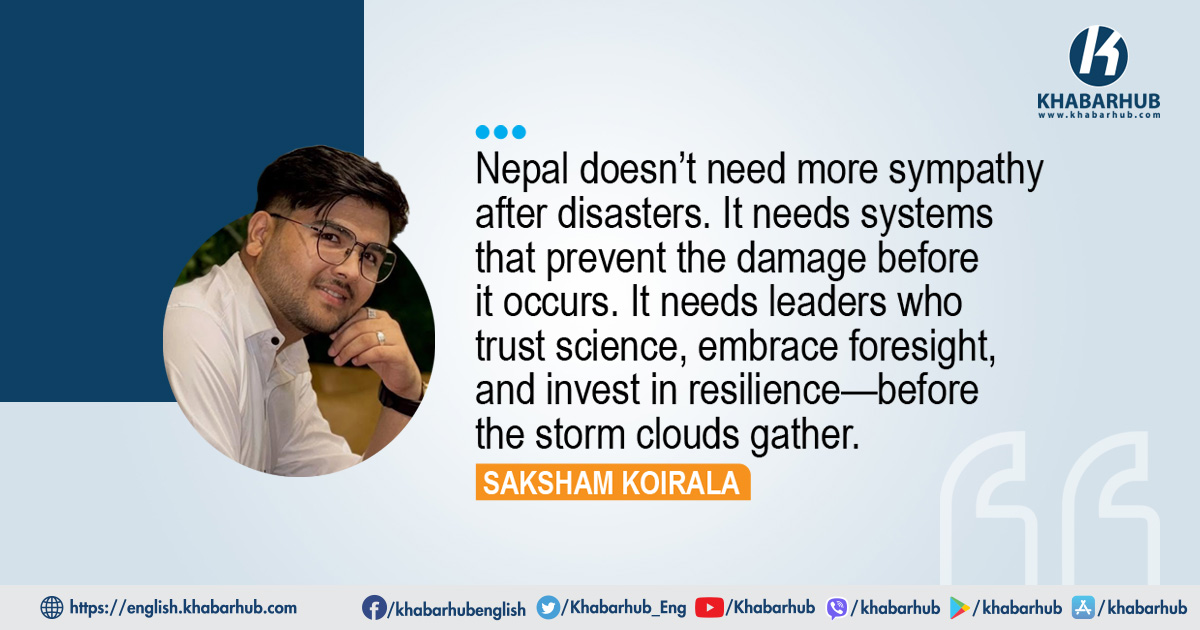
Nepal doesn’t need more sympathy after disasters. It needs systems that prevent the damage before it occurs. It needs leaders who trust science, embrace foresight, and invest in resilience—before the storm clouds gather.
Agricultural engineers, in particular, are an underutilized resource. Their work not only keeps families fed and farmland intact, but also plays a key role in defending against floods and landslides.
To avoid repeating past tragedies, Nepal must recognize the need to include engineers—across all sectors—at the policy table before disasters strike. With their guidance, we can build infrastructure capable of withstanding the monsoon’s force.
Moving Forward
The monsoon is part of life in Nepal. But how much damage it does is up to us. Between 1993 and 2025, we’ve paid the price for waiting until disaster strikes. We can’t afford to keep making the same mistakes.
Floods and landslides may begin with nature, but they become disasters because of our choices. If we fail to prepare, we prepare to fail. And if we continue to exclude the engineers who understand our land and water, we are building our future on unstable ground.
Nepal doesn’t need more sympathy after disasters. It needs systems that prevent the damage before it occurs. It needs leaders who trust science, embrace foresight, and invest in resilience—before the storm clouds gather.
Let the next thirty years be different. Let 1993 be the turning point we should have chosen back then—a year when we finally decided to protect our homes, our families, and our future.





Comment