




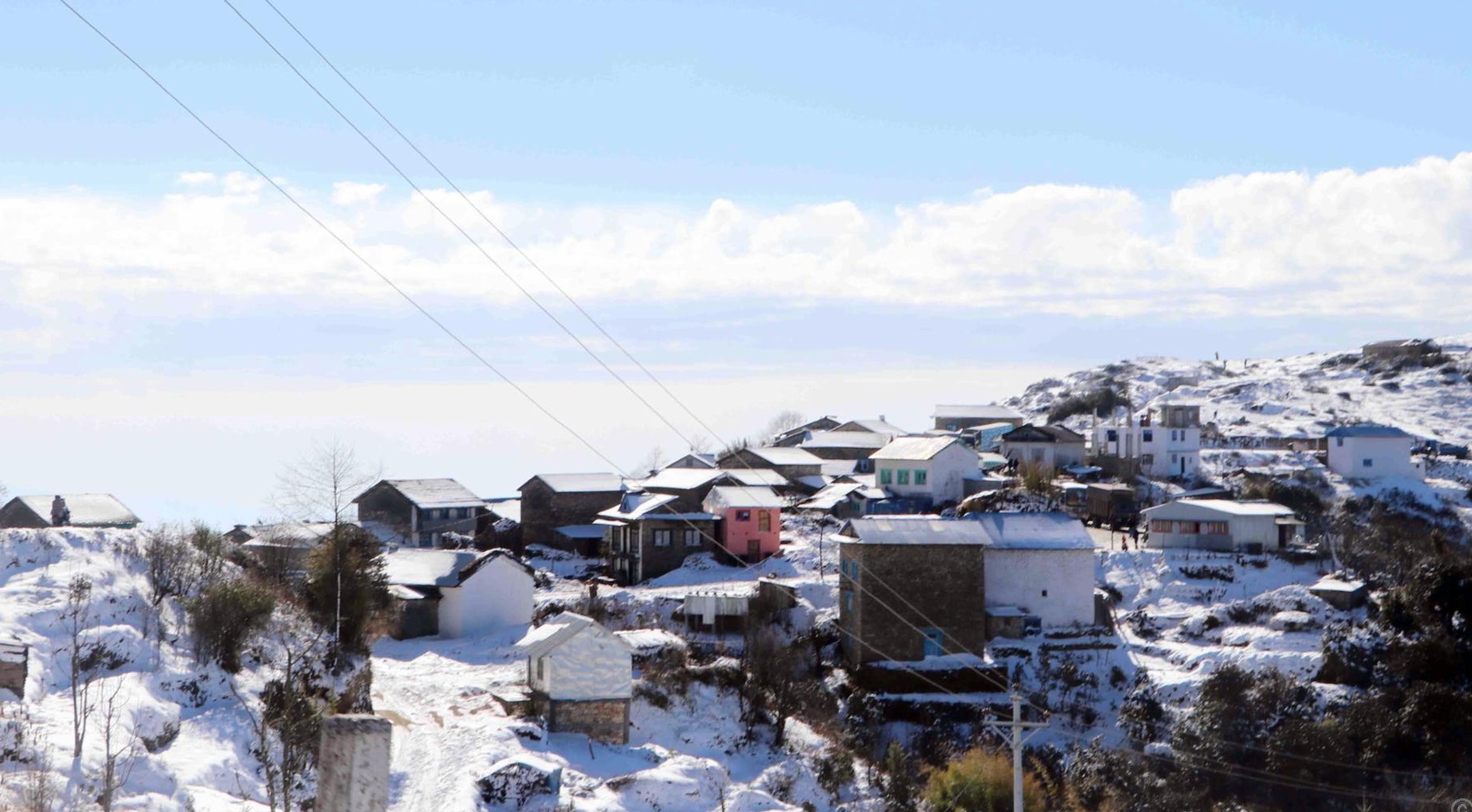
SOLUKHUMBU: The production of staple grains such as wheat, barley, and buckwheat in the Sagarmatha region has significantly declined in recent years due to erratic weather patterns, rising temperatures, and prolonged dry spells.
These climate-induced changes have severely impacted traditional farming practices in the Himalayan region.
Local resident Pasang Lhamu Sherpa shared her concerns, stating, “We used to have ample production of buckwheat and uwa, but now we are forced to leave our arable land uncultivated. Extreme weather patterns, lack of water and rain, and depleting soil fertility have made it difficult to grow crops. The yield is meager these days.”
The direct impact of climate change has been particularly challenging for women and children, who are facing increasing nutritional deficiencies due to declining food production.
Pregnant women, in particular, are struggling to access nutritious food, leading to potential health risks for both mothers and newborns, according to health worker Ngimdoma Sherpa.
“The dwindling agricultural production has made communities more dependent on imported food, which is often of subpar quality and detrimental to health,” she added.
Tenzing Jangbu Sherpa from Chhukum in the Khumbu region also noted a sharp decline in crop yields, especially in traditionally cultivated Himalayan buckwheat.
“I remember when special varieties of buckwheat were grown here, but they have now almost disappeared. Farming no longer seems viable,” he said, blaming climate change for the drastic shift.
Various national and international reports have highlighted how climate change is accelerating snowmelt in mountainous regions, adversely affecting human life and agriculture.
Adding to these challenges, waste left behind by climbers has polluted the pristine landscape of the Everest region. Non-biodegradable plastic waste is increasingly littering the area, threatening its scenic beauty and environmental health.
“If plastic waste and scattered trash are not controlled, it will damage the region’s natural appeal,” warned hotel entrepreneur Pasang Sherpa.
Lukla resident Toya Kumar Shrestha expressed regret over the visible changes in the environment. “Once snow-clad and shining mountains are now turning bare,” he lamented, pointing to pollution and rising temperatures as growing concerns for the region’s fragile ecosystem.




Comment