




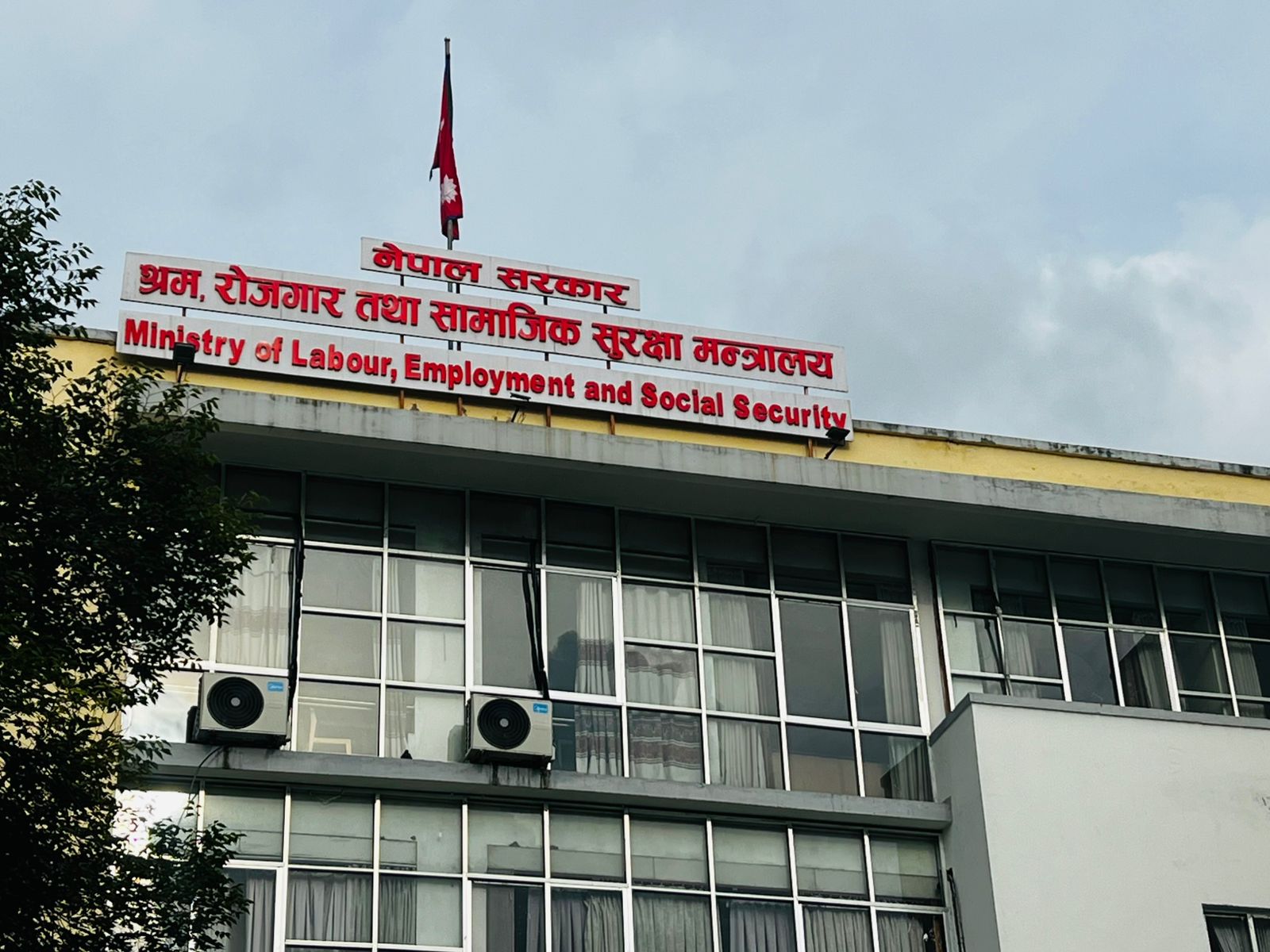
KATHMANDU: The Government of Nepal is preparing to formally recognize domestic workers under the country’s labor laws for the first time. Acting on the directive of Minister for Labor, Employment and Social Security Sharat Singh Bhandari, the ministry has initiated the legal amendment process to provide domestic workers with formal labor status.
Minister Bhandari emphasized the urgent need to bring domestic workers, long excluded from formal systems, under the scope of official labor protections, and said that the government has started laying the legal groundwork accordingly.
According to the ministry, this initiative aligns with Convention No. 189 of the International Labour Organization (ILO), to which Nepal is a signatory. As such, necessary legal provisions are being prepared to provide formal recognition and protection to domestic workers.
Although the existing Labor Act 2074 (2017) makes mention of household workers, the ministry noted that amendments are needed to clarify and modernize definitions, particularly distinguishing between household workers and domestic workers for legal clarity.
As part of this effort, the ILO has appointed a consultant to conduct a gap analysis between Convention 189 and Nepal’s Labor Act. The consultant will submit a detailed report to the ministry, which will serve as the basis for submitting the convention to parliament for ratification. Once ratified, domestic workers will be formally included in the Labor Act.
In Nepal, there has long been confusion between the definitions of “household workers” and “domestic workers.” Several worker groups have been demanding that their roles be clearly recognized within the labor law, prompting the government to begin this legal reform.
The ministry clarified that domestic workers refer to those appointed by a company but working in private households. Once included in the Labor Act, these workers will become eligible for minimum wages, labor benefits, and social security entitlements provided by the government.
ILO Convention 189 is a landmark international instrument aimed at ensuring labor rights, dignity, safety, and social justice for domestic workers, particularly women.
The government believes that this step will help ensure justice for the many workers who have remained in the informal sector for years.






Comment