




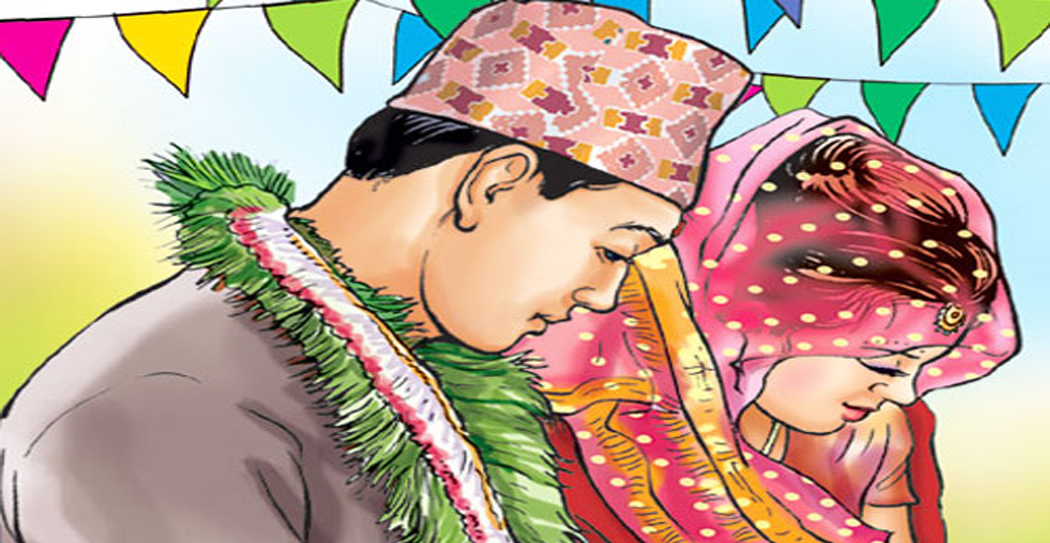
KATHMANDU: Prime Minister KP Sharma Oli recently stirred controversy by advising youths to marry by 20 and have three children before 30, an idea that resonates with traditional sayings but contradicts Nepal’s legal stance on family planning and child marriage.
While the law currently promotes the policy that two children are a blessing from God and mandates that both men and women must be at least 20 years old to marry, a new draft amendment prepared by the Ministry of Law seeks to relax these strict provisions.
This includes legal recognition of underage marriages under specific conditions and lighter penalties for consensual relationships among teenagers.
Romeo-Juliet clause in the works
The proposed amendment aims to adopt what is known as the Romeo and Juliet clause. This legal framework recognizes consensual relationships between minors close in age without overly criminalizing them.
Inspired by legal practices in several other countries, the clause aims to distinguish between serious criminal offenses and statutory infractions arising from consensual teenage relationships.
Under the new draft, marriages between teens aged 16 to 20 would no longer be automatically void if done with mutual consent. However, such couples would be required to live separately until turning 20, with an option to annul the marriage within 35 days of reaching legal age, unless pregnancy or childbirth has occurred. Legal penalties for those aiding or conducting such marriages would vary based on the couple’s age bracket, ranging from fines to short jail terms.
Changes in rape and abortion laws
The proposal also includes amendments to the definition and punishment of statutory rape. Consensual sex with individuals aged 16–18 would be treated differently than with those below 16. If both individuals are minors and the age difference is less than three years, the punishment would be reduced to a maximum of three years in jail, down from the current minimum of seven and up to twelve years.
Additionally, the Ministry seeks to expand access to abortion by extending the legal limit from 25 to 28 weeks. In special cases where a medical professional deems it necessary, abortion could be allowed at any time with the woman’s consent. While this provision is welcomed by reproductive health advocates, it has raised concerns over potential misuse and questions around fetal rights.
Rights advocates divided
While some see the proposal as a progressive step toward aligning the law with social realities, especially for youths in consensual relationships, others, particularly women and child rights activists, warn that reducing punishments for statutory rape could undermine protections for teenage girls.
The proposed changes regarding female perpetrators of rape, punishments for women involved in polygamy, and expanded abortion rights are also fueling debate, with critics calling for deeper public and parliamentary discussions.
As the draft awaits further deliberation, legal experts, women’s rights groups, and political stakeholders are expected to weigh in on whether these reforms represent genuine progress or potential pitfalls in Nepal’s evolving legal landscape.




Comment