





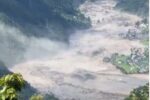
KATHMANDU: Continuous rainfall has triggered floods, landslides, and inundation across several parts of the country, causing significant loss of life and property. Experts have warned that such disasters increase the risk of waterborne diseases and urged the public to adopt preventive measures.
According to specialists, the risk of waterborne diseases rises during the monsoon if safe drinking water and sanitation practices are not maintained. Outbreaks of diarrhea, cholera, dysentery, pneumonia, flu, typhoid, and other infectious diseases are more likely in such conditions. To reduce risks, experts recommend drinking only boiled or chlorinated water.
“During disasters like floods and landslides, drinking water systems can be contaminated with sewage, leading to outbreaks of diarrhea and cholera,” said Dr. Bhakta Bahadur KC, information officer at the Ministry of Health and Population. “It is important to ensure that the water used for drinking and cooking is safe—either boiled or purified with chlorine.”
Experts also advise storing purified water in clean, covered containers, avoiding stale or insect-exposed food, and thoroughly washing raw items like cucumbers, carrots, and fruits with clean water. Handwashing with soap before meals, after using the toilet, or handling waste is essential, especially when feeding children.
Dr. KC said chlorine solutions and tablets are being distributed in flood and diarrhea-affected areas. “If someone suffers from diarrhea, they should drink plenty of fluids and use oral rehydration solution (ORS) at home. In severe cases, immediate medical care at the nearest health facility is necessary,” he added.
He further informed that the government has placed all health institutions on high alert and ensured supplies of ORS, chlorine tablets, and essential medicines in disaster-hit areas. Health workers have already been mobilized, and the government has appealed to all stakeholders to cooperate in ensuring effective treatment for affected families.




Comment