




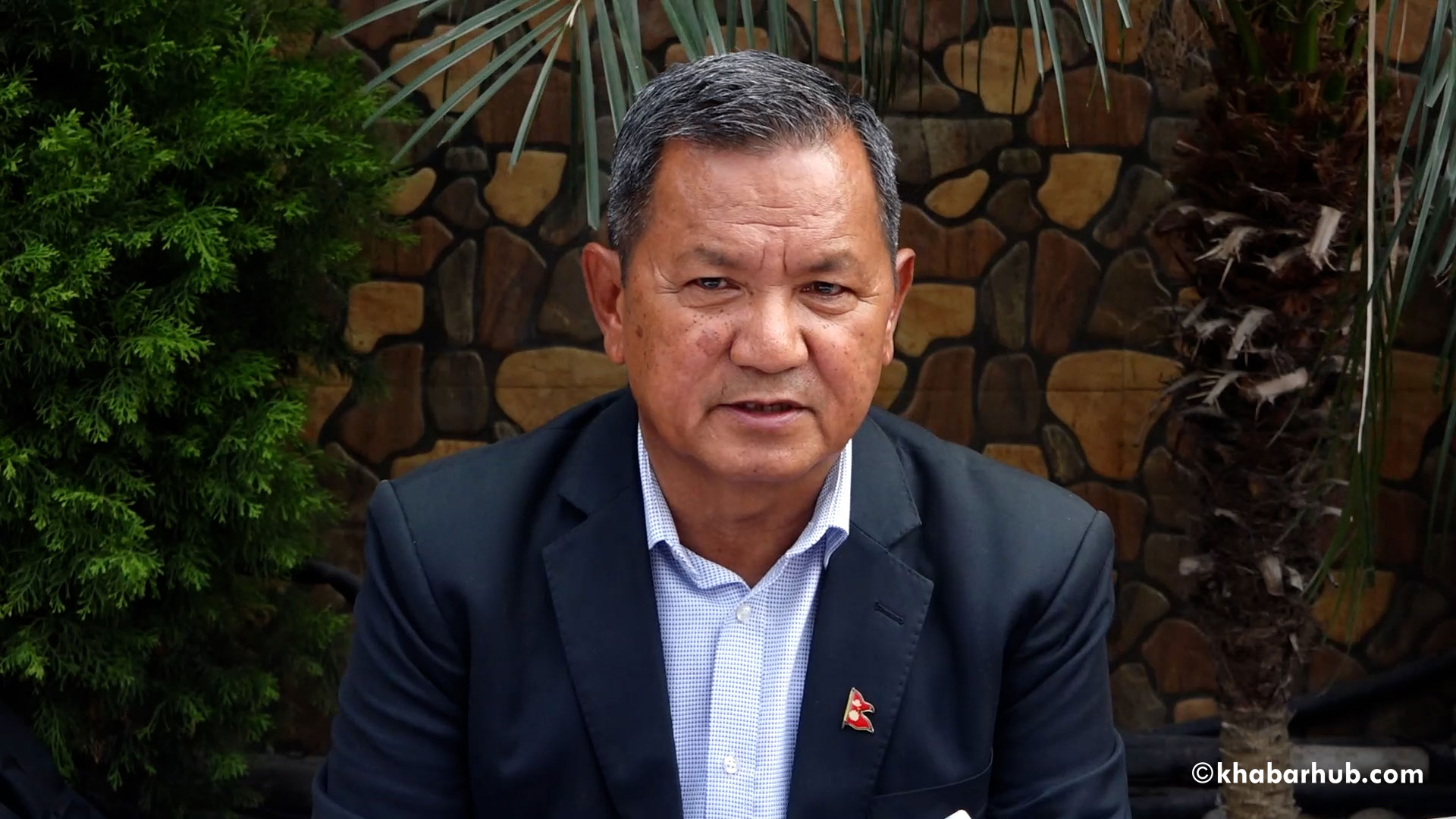
KATHMANDU: Minister for Communication and Information Technology Prithvi Subba Gurung, who also serves as the government’s spokesperson, was unaware of a significant legal amendment that shifts the registration and renewal authority of online media outlets from the Department of Information to district administration offices (CDOs).
The change came to light after the National Gazette published amendments to 76 different laws on July 30, including the Press and Publication Act, which now requires online media to be registered at CDO offices instead of the central government’s Information Department.
Despite the wide-ranging implications for the media sector, Minister Gurung admitted to having no prior knowledge of the amendment or consultation from his own ministry.
The revelation has raised serious questions about the transparency and coordination within the executive branch. On Tuesday evening, a delegation from Press Chautari Nepal, the journalist wing affiliated with the ruling CPN-UML, met Minister Gurung to express concerns over the changes. To their surprise, Gurung appeared unaware that the law had even been amended.
According to Press Chautari Chair Ganesh Pandey, the minister was shocked to learn about the new provision, which empowers CDO offices to register and renew online portals as deemed appropriate.
Pandey later posted on Facebook describing the meeting, stating that the decision risks creating hurdles for small and independent online outlets and could lead to bureaucratic overreach.
Further investigation suggests that the amendment to the Press and Publication Act was introduced without consultation with the Ministry of Communication and Information Technology.
The proposal reportedly originated during the tenure of Gurung’s predecessor and was pushed through Parliament via a catch-all bill titled “Some Nepal Acts Amendment Bill,” which bundled changes to over 70 laws at once.
Observers say this legislative shortcut is being increasingly abused. The practice, originally intended to make minor technical updates, such as replacing outdated terms like Kingdom of Nepal or Royal Nepali Army, is now being used to push substantial policy changes without parliamentary debate or ministerial accountability.
Among the other 75 amended laws, the content and consequences remain largely unexamined by lawmakers themselves. Several MPs, including those in the ruling coalition, have admitted to being unaware of the scope or intent of the changes.
Minister Gurung’s public admission has fueled further criticism of how laws are being passed without adequate scrutiny. Lawmakers like Rastriya Swatantra Party’s Sabita Gautam have long warned about the misuse of such omnibus legislation, raising alarm over the erosion of legislative deliberation.
The opposition is now demanding clarification: who inserted the online media registration clause into the law? Was it the Home Ministry, the Law Ministry, or another interest group? Minister Gurung has declined to comment further, stating only that his office was not consulted.
As the changes come into effect on August 6, the Department of Information has already stopped renewing online registrations, instructing media houses to approach their local CDO offices instead. The abrupt shift has left many publishers in limbo and ignited concerns over increased state control and decentralized censorship.
With a ministerial spokesperson unaware of a policy under his own portfolio, the controversy has underscored a troubling pattern: an unaccountable bureaucracy, a disengaged legislature, and a government increasingly reliant on backdoor legal maneuvers.






Comment