




KATHMANDU: A parliamentary sub-committee under the Development, Economic Affairs and Good Governance Committee has submitted a detailed study report on climate change, warning of severe environmental risks and calling for stronger national and international action.
The report, titled “Climate Change Study Report–2025”, was prepared by the Sub-Committee on Sustainable Development led by Dr. Anjan Shakya and was formally handed over to committee chair Kamala Pant.
This is the second major report submitted by the sub-committee in the past year. Earlier, it had produced a study on Nepal’s upcoming graduation from the Least Developed Country (LDC) category. That report was discussed in the National Assembly in the presence of then Prime Minister KP Sharma Oli.
Chairperson Pant expressed appreciation for the sub-committee’s work, highlighting that producing two comprehensive and timely reports within a year was a remarkable achievement. According to Dr. Shakya, the latest report focuses on issues such as the COP climate conferences, climate finance, conservation of natural resources, and strategies for adaptation and resilience.
She explained that the report outlines how Nepal should manage the growing impacts of climate change and seek appropriate international support. While acknowledging that Nepal is in the process of becoming a developing country, Dr. Shakya stressed the importance of advocating that Nepal should not be excluded from climate finance mechanisms after this transition. She noted that Nepal’s contribution to climate change is negligible, yet it suffers some of the harshest consequences.
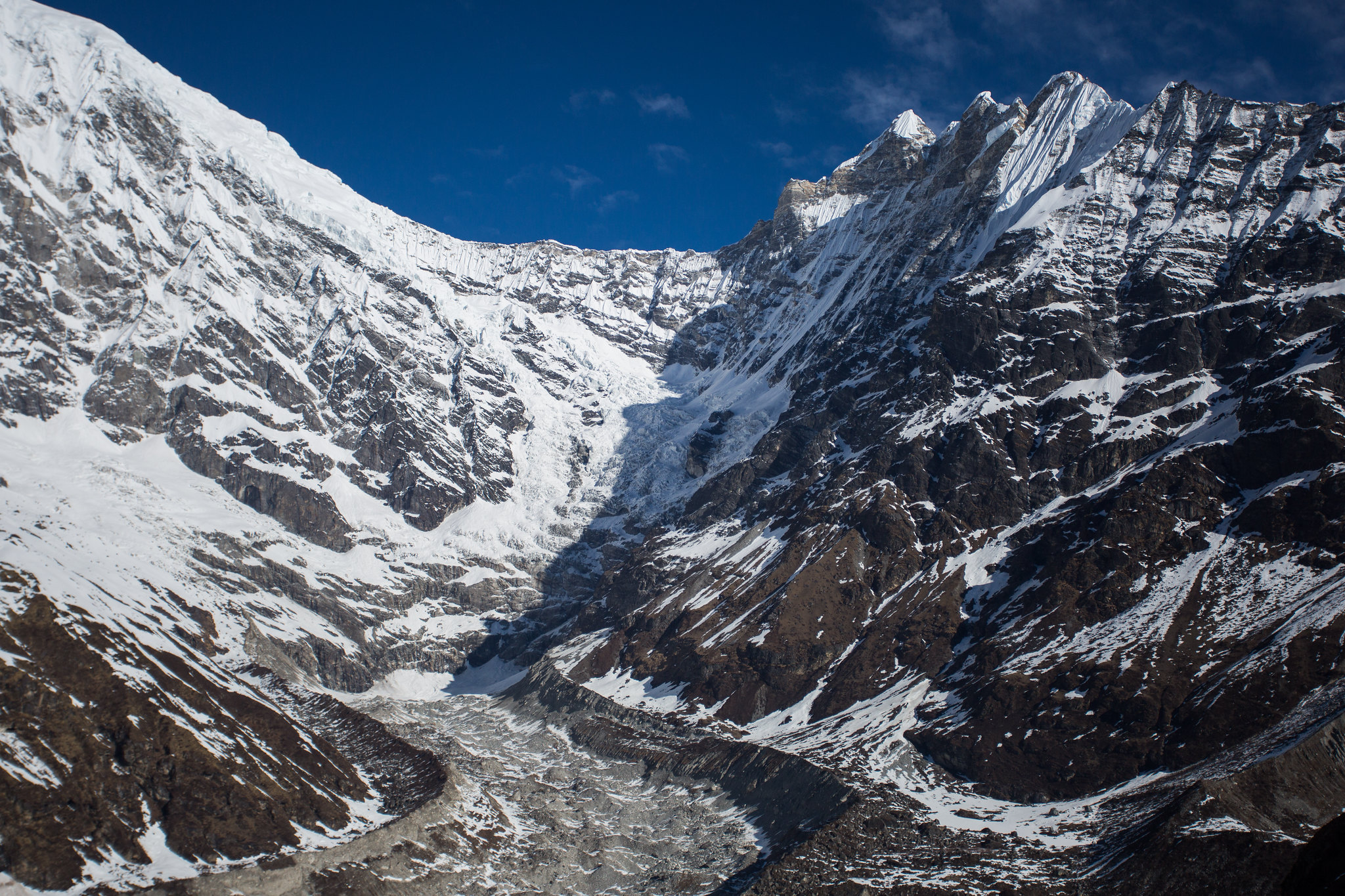
Federal Parliament Secretary Dr. Rojnath Pandey said the report highlights alarming data from the past three to four decades, particularly a consistent temperature increase of 0.05°C per decade in the Himalayan region. This warming has intensified the melting of glaciers. Between 1980 and 2010, Nepal lost around 25 percent of its glacier surface area due to rising global temperatures.
According to the findings, many of Nepal’s glacial lakes are at risk of bursting even before the global average temperature increase reaches 1.5°C. The report also outlines that in sectors like agriculture, energy, and forestry, ten major climate adaptation projects are underway, but a large portion of climate finance is not routed through the national budget. Nearly 29.25 percent of funds are spent off-budget and 25.55 percent off-treasury, raising concerns about transparency and coordination.
The report points out that over the past 12 years, Nepal has received only $322.53 million in international climate finance support. While global discussions on climate are extensive, actual assistance has remained limited. The report remarks that accessing foreign aid for climate action feels as difficult as “chewing iron grits.”
The study further warns that, at the current rate of greenhouse gas emissions, nearly two-thirds of Himalayan glaciers could disappear by the year 2100. To respond to these threats, the report calls for Nepal to increase its climate adaptation capacity, diversify sustainable development strategies, and raise a strong voice at the global level for the protection of its mountains and ecosystems.
It also recommends that Nepal take the lead in advocating for mountain and cryosphere issues in international climate negotiations. The report urges the inclusion of climate-related provisions while signing or implementing international treaties and agreements, and calls for strengthened cooperation with other mountainous and glacial nations to advance shared climate goals.
It states the importance of launching targeted climate adaptation programs, reducing climate-induced loss and damage, and enhancing access to international climate finance through active climate diplomacy.
The sub-committee was led by Dr. Anjan Shakya and included members Jitjung Basnet, Bamdev Gautam, Bhuvan Bahadur Sunar, and Sabitri Malla. As Nepal confronts rising climate vulnerabilities, the report underscores that both modern strategies and traditional knowledge must be harnessed to ensure resilience and sustainable progress.






Comment