




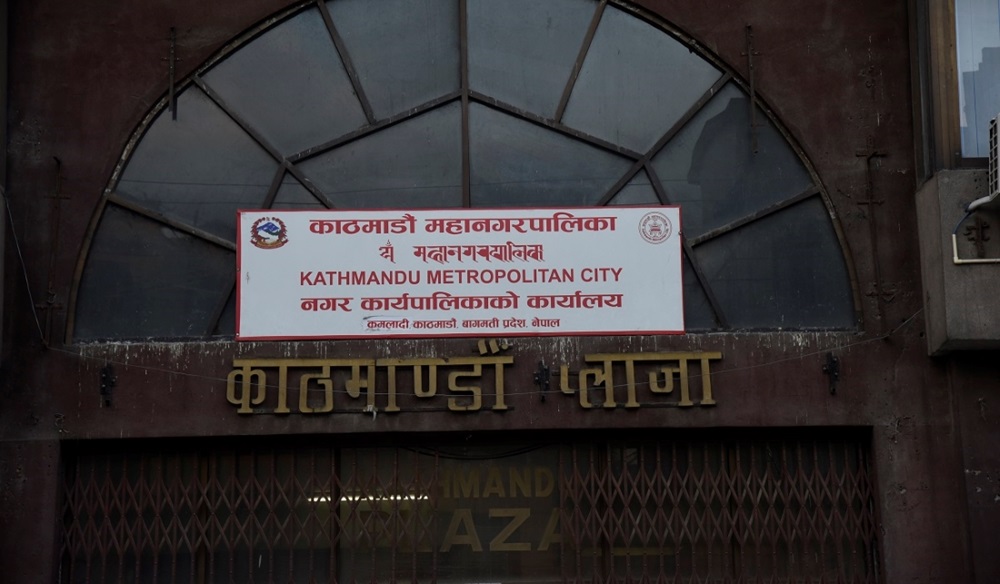
KATHMANDU: Kathmandu Metropolitan City (KMC) has begun a survey to assess the nutritional status, dietary habits, and lifestyle of its public representatives and employees. The Agriculture and Livestock Department of KMC launched the program on December 2.
The survey will continue until December 12. Employees will participate until December 7, both employees and public representatives on December 8, and public representatives on December 9, 10, and 11. According to Department Chief Nurnidhi Neupane, an additional session has been scheduled for December 12 for those who miss their allocated dates.
Neupane explained that urban life is becoming increasingly sedentary, leading to a higher risk of chronic diseases such as heart disease, diabetes, cancer, and respiratory illnesses. The survey aims to identify preventive measures and generate evidence that will support policy recommendations for promoting workplace health.
As part of the survey, participants’ profiles, including body fat, visceral fat index, fat-free mass, and total body water, are prepared using BMI measurements (based on height and weight) and bioelectrical impedance analysis (BIA) based on age and gender. These profiles also include indicators related to obesity, anemia, and lifestyle patterns associated with different types of work.
Details on lifestyle and behavior, such as physical activity, work stress, smoking and drinking habits, sleep duration, screen time on digital devices, and workplace environment, will also be collected. Anemia is assessed through hemoglobin and diabetes tests. Diet assessment and food group recording are performed based on the participants’ food preferences.
Pratik Niraula, Research Manager at Vertex Foods, which is involved in the survey, noted that locally produced foods tend to contain more natural ingredients, making them healthier and more affordable. He added that preparing food according to one’s taste using local products can contribute significantly to better health.
KMC plans to use the findings to gradually improve food habits and lifestyle practices among its employees and public representatives.




Comment