




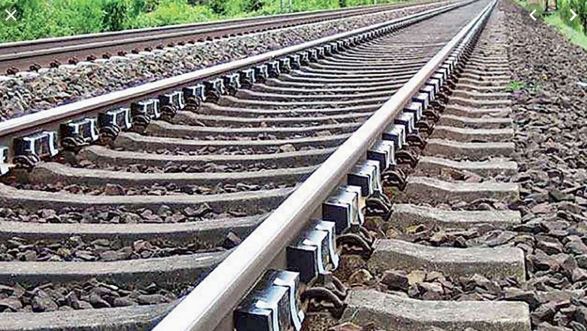
KATHMANDU: The government is preparing to change the alignment of Nepal’s ambitious East–West electric railway after concluding it cannot afford the massive cost of land compensation.
Instead of acquiring large swathes of private land, officials are now weighing a plan to build the line along the East–West Highway corridor, a shift that would require a new feasibility study and potentially abandon more than a decade of prior planning work.
The Ministry of Physical Infrastructure and Transport has begun internal discussions on the rerouting option, according to senior officials.
Railway Department Director General Rabindra Lal Das confirmed that the talks are aimed at exploring whether the railway could run alongside the highway, reducing the need for expensive land acquisition. A decision on whether to proceed with a new study could come within the next two weeks, he told Khabarhub.
This change in approach comes after the current fiscal year’s budget included no new funding for fresh construction on the East–West railway. The government has instead prioritized completing ongoing works, such as the “track bed” for the Jayanagar–Janakpur–Bardibas section, and finalizing environmental impact assessments for the Chocha–Nijgadh stretch.
According to Das, the department has a budget of Rs 3.54 billion this year, barely enough to maintain current projects and cover operational costs.
The sticking point is compensation. Under the existing Detailed Project Report (DPR), the government would have to pay between Rs 25–30 billion to acquire the required land.
“The Ministry of Finance has refused to release that amount. Without compensation funds, we have to look for alternatives,” Das said. He said building along the highway could eliminate the need for such payouts, though this idea remains under discussion and is not yet finalized.
Even if the government opts for the highway alignment, a fresh DPR would be required. While the existing DPR covers the entire route from Kakarbhitta in the east to Gaddachauki in the far west, it is tailored to the current planned alignment. Officials caution that without a new study, it is impossible to confirm whether a highway-adjacent route is technically and economically feasible.
The debate has revived concerns over the long delays that have plagued Nepal’s railway ambitions. More than 15 years after the East–West electric railway was first proposed, progress remains slow. Critics say repeated changes in plans, coupled with underfunding, have wasted resources without delivering tangible results.
Infrastructure expert Surya Raj Acharya welcomed the government’s decision to review the project, but warned that Nepal’s bureaucracy lacks the expertise to make such a complex decision on its own.
“The East–West railway is essential for Nepal. The Tarai is densely populated, with over five million people in a narrow belt. The technology is necessary. But the way the government has proceeded so far has been flawed,” Acharya said.
He argued that previous feasibility studies were weak, and that relying solely on ministry and finance officials for a review would be a mistake.
“Our state apparatus does not have the capacity to decide what model to adopt, how to align the route, or how to manage land acquisition. Railway technology is new for Nepal, and we should seek help from high-level experts from countries like China, India, Japan, France, and Germany,” Acharya said.
He suggested forming a review panel that would include international railway specialists, professors from Pulchowk Engineering Campus, and members of the Railway Union. With two to three months of dedicated study by such a team, Acharya believes Nepal could finally develop a viable plan for building its first major electric railway.
While questions remain about the project’s direction, Acharya is clear about one thing: the East–West railway is needed. “If we bring in the right expertise and make decisions based on sound technical studies, this project can still move forward. But if we keep making ad-hoc changes without proper analysis, it will never leave the drawing board.”




Comment