




KATHMANDU: Child marriage continues to be a pressing concern in Nepal, with stakeholders emphasizing the need to discourage marriages before the age of 20 due to associated reproductive health risks and increased school dropout rates.
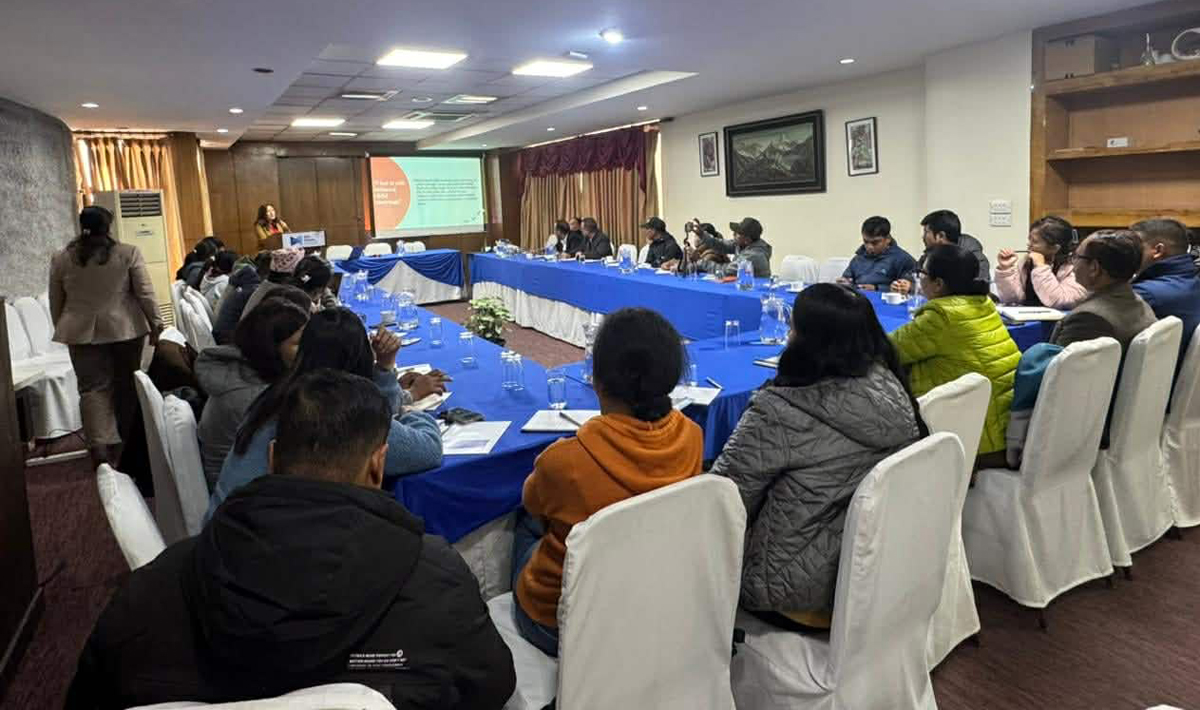
Participants at a program organized in the capital on Tuesday stressed that individuals promoting underage marriages should face legal action. They also called for increased awareness campaigns targeting children themselves to prevent early marriage.
The government has previously committed to ending child marriage under the National Strategy and Implementation Action Plan, 2025, pledging that federal, provincial, and local levels will prioritize investment toward ending the practice by 2030.
Speakers highlighted the importance of advocacy to improve services and protection for at-risk children. Programs supported by Loo Niva Child Concern and the Education Rights and Monitoring Group aim to encourage local authorities to take preventive measures.
Dr. Rupa Munakarmi from the Education Watch Group noted that the practice of marrying children under 20 often occurs without parental consent, but family pressure remains a significant factor. She also cited poverty, lack of education, limited public awareness, and social perceptions as key drivers of child marriage. “The law must be implemented strictly to prevent these cases,” she said.
Bam Bahadur Baniya, Vice-Chair of the National Child Rights Council, highlighted that preventing child marriage is a shared responsibility. He called for coordinated efforts with child rights organizations to strengthen local-level initiatives.
Prakash Khatri, Bagmati Province Coordinator of the Education Rights Monitoring Group, pointed out that laws aimed at ending child marriage are still not being effectively enforced.
Tilotam Paudel, President of the National Campaign for Child-Friendly Peace Zones, stressed linking campaigns to local governance structures to reduce child marriage. “School programs should include counseling sessions and awareness initiatives to prevent child marriage,” she suggested.
Shantaram Dangol, National Coordinator of the Education Rights Monitoring Group, urged that ending child marriage requires collaborative campaigns and strong partnerships across government, civil society, and communities.
Stakeholders agreed that sustained advocacy, strict law enforcement, and community engagement are crucial to eliminate child marriage and ensure children’s health, education, and rights are safeguarded.






Comment