




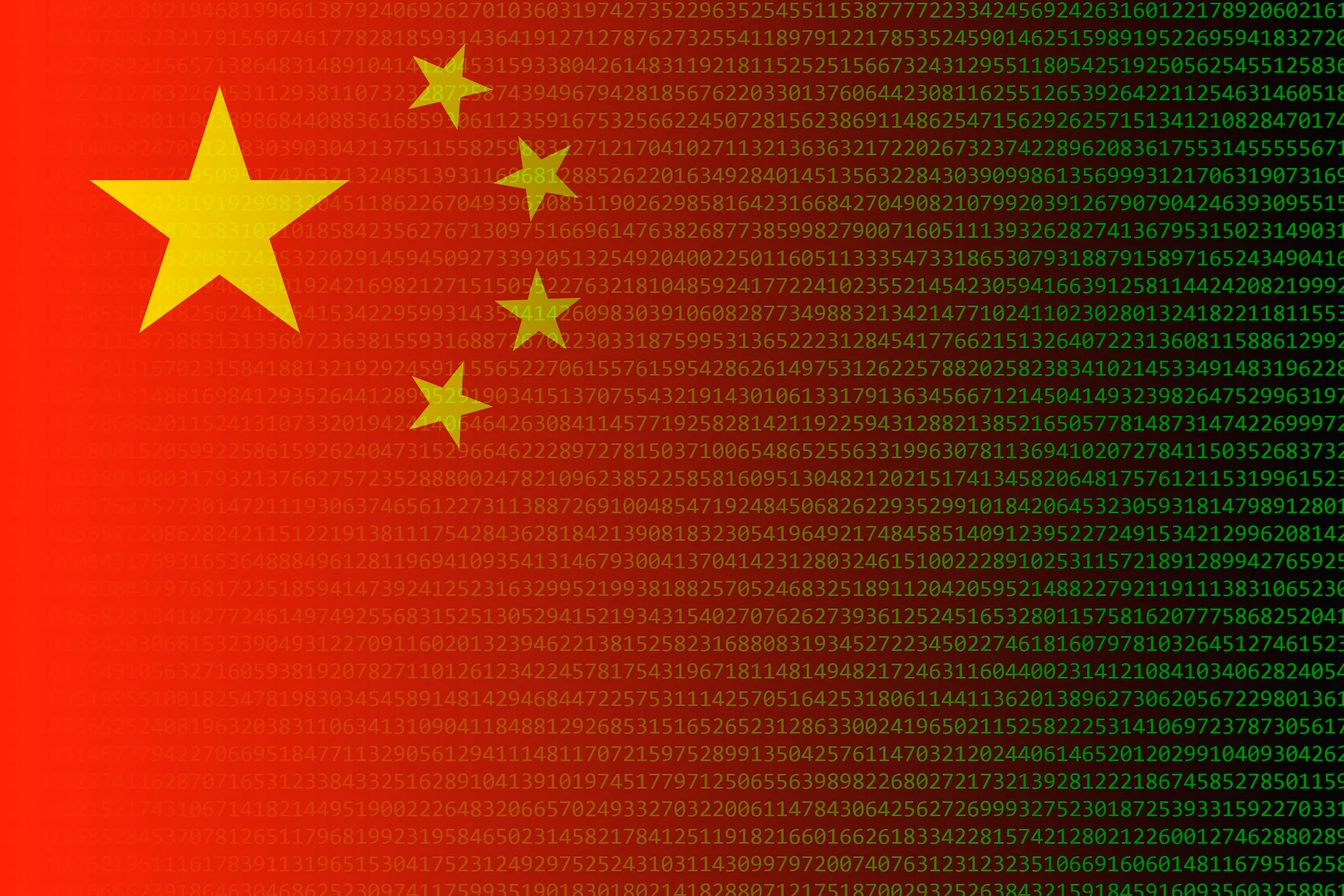
In a striking twist of irony, the very digital surveillance apparatus that has long been the Chinese Communist Party’s (CCP) tool for control is now proving to be its own Achilles’ heel.
A growing number of leaks involving sensitive, and often embarrassing, information about Chinese officials have exposed the unintended consequences of the regime’s unchecked data hoarding and centralised control of massive databases.
The surveillance state, once thought to be a fortress of internal discipline and societal oversight, is now facing a boomerang effect—where the data it has obsessively collected and weaponised against others is returning to haunt its own leadership.
The ‘Great Data Wall’
For years, the CCP has touted its ability to maintain social harmony and political stability through a vast network of digital surveillance.
Leveraging artificial intelligence, facial recognition, internet monitoring, and expansive databases, the regime has built what is arguably the world’s most comprehensive and intrusive surveillance state.
From social credit systems tracking citizens’ behaviours to digital dossiers on party members, China’s data collection effort is unprecedented in scale.
But centralisation, while effective in amassing control, creates vulnerabilities. Unlike decentralised systems with layers of security checks, centralised databases provide a tempting target for hackers and internal leakers alike.
Leaks and cracks in the firewall
In recent months, several high-profile leaks have underscored the risks.
Internal communications, financial disclosures, private conversations, and even surveillance footage involving senior officials have found their way onto Chinese social media platforms and overseas forums.
Tighter controls on database access, enhanced internal surveillance, and intensified vetting of digital personnel are all expected. But these measures may only deepen the cycle of mistrust and repression.
Despite swift takedowns and censorship, these leaks spread quickly and widely, often saved and redistributed through encrypted messaging apps beyond the reach of Chinese internet censors.
While the Chinese state has routinely used surveillance data to silence dissent, blackmail rivals, and suppress political challenges, the latest leaks suggest the tables may be turning.
Some of the information has painted top officials in an unflattering light—exposing luxury lifestyles, hidden assets, or personal scandals inconsistent with the image of austere loyalty demanded by the party.
The information doesn’t just undermine public trust; it risks internal instability, with potential factional infighting and power plays fueled by digital dirt.
The boomerang effect
What makes these leaks particularly damaging is their source.
In many cases, insiders—technocrats, IT administrators, or even mid-level bureaucrats—appear to be responsible.
Disillusioned by the regime’s hypocrisy or driven by factional motives, they are using the state’s own tools to strike back. It’s a classic case of the hunter becoming the hunted.
The CCP’s strict information control policies, originally designed to monitor dissent and enforce ideological conformity, are now being used to collect and release damaging material about party elites.
This boomerang effect is exacerbated by the very culture of paranoia and mistrust that the regime fosters.
In a system where everyone is watched, it is inevitable that someone, somewhere, will watch back—and leak.
Internal tensions and power struggles
Analysts believe these leaks may be symptoms of deeper tensions within the Party.
Under President Xi Jinping, internal discipline campaigns have aggressively targeted corruption, but critics argue that these campaigns have also been used as political tools to purge rivals and consolidate power.
The result is a climate of fear, suspicion, and latent resentment within the ranks.
Leaks, then, may serve multiple functions: revenge, whistleblowing, or simply as power plays in elite struggles.
In an opaque system where official narratives dominate and dissent is punished, digital leaks become one of the few available weapons for those inside the system who feel wronged or marginalised.
This trend also reflects the fragility of loyalty in an era where digital tools both empower and endanger those who use them. When control is absolute, resistance becomes more creative—and more covert.
Global implications
The Chinese regime’s internal data crisis also has implications beyond its borders.
Global companies and governments have long expressed concern over China’s approach to data sovereignty and cybersecurity.
Leaks affecting party officials only reinforce suspicions that China’s data ecosystem is not only repressive but also insecure.
For international firms operating in China—or relying on Chinese tech infrastructure—this raises questions about data integrity, confidentiality, and the risks of espionage or blackmail.
Moreover, foreign intelligence agencies are undoubtedly watching closely.
As information about Chinese officials leaks onto international platforms, opportunities for analysis, recruitment, or diplomatic leverage increase.
In an ironic twist, the same data used to monitor dissidents may now offer windows into the very heart of the CCP’s leadership dynamics.
An eroding social contract?
For ordinary Chinese citizens, these revelations carry a double-edged meaning.
On one hand, they expose the hypocrisy of party elites who preach discipline while indulging in personal excesses.
On the other hand, they reinforce a sense of vulnerability—if even the most powerful are not immune to digital exposure, what hope is there for privacy or justice?
The CCP has long maintained its rule through an implicit social contract: prosperity and order in exchange for obedience and limited freedoms.
As the CCP grapples with this boomerang of its own creation, the rest of the world watches a rare moment where power’s obsession with information turns inward, unravelling from within.
But when that order is threatened not by foreign enemies or street protests, but by internal leaks and data backlash, the cracks in that contract become visible.
If control becomes synonymous with vulnerability, the legitimacy of the regime may eventually come under question.
Meanwhile, in response to recent leaks, the Chinese government is likely to double down on security.
Tighter controls on database access, enhanced internal surveillance, and intensified vetting of digital personnel are all expected. But these measures may only deepen the cycle of mistrust and repression.
More fundamentally, China’s experience offers a cautionary tale about the dangers of unchecked data centralisation and digital authoritarianism.
A regime that seeks to know everything about everyone must also face the risk of having its own secrets laid bare. The balance between control and exposure is delicate—and in the digital age, asymmetrical.
As the CCP grapples with this boomerang of its own creation, the rest of the world watches a rare moment where power’s obsession with information turns inward, unravelling from within.
In the end, the surveillance state may find that its greatest threat was never external, but embedded in the very systems it built to protect itself.






Comment