




KATHMANDU: A study team is set to visit Thame Village in Khumbu Pasang Lhamu Rural Municipality-5, Solukhumbu District, Nepal today, following the severe flooding that inundated around 20 houses on Friday.
The flood is believed to have been triggered by rapid snowmelt in the upper region.
The team, led by Anil Pokharel, Chairman of the National Disaster Risk Reduction and Management Authority (NDRRMA), will fly from Kathmandu to Thame to conduct a research and assessment of the disaster.
The team had initially planned to visit on Friday, but poor weather conditions in the Khumbu region prevented the helicopter flight.
Sources indicate that Defence Minister Man Bir Rai may also join the team.
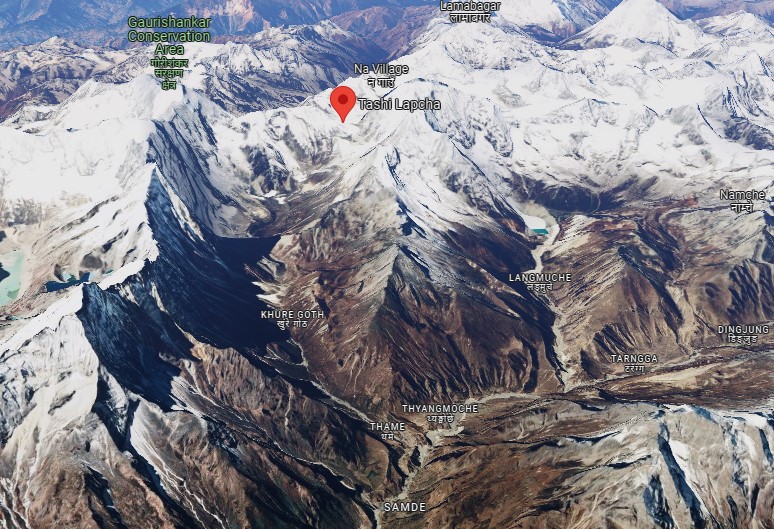
The flood is believed to have originated from the watershed area extending from the 6,938-meter-high Tengi Ragi Tau to the Tashi Lapcha region, where accelerated snowmelt caused landslides and flooding.
The flood also swept away parts of three permafrost formations on the east side of Tashi Lapcha.
Permafrost, a mixture of sand and snow frozen at sub-zero temperatures for years, is common in this region.
The catchment area for the coastal settlement near Thame Gumba extends from Tengi Ragi Tau through Tashi Lapcha to Kongde Ri.
In the upper region of Thame, several lakes have formed due to glacier dams, and significant amounts of snow are present in the mountains northeast of the Gaurishankar Conservation Area.
Thengpo, located above Kharka Thame, hosts numerous residential and agricultural structures, while huts and evidence of human activity are visible further downstream along the riverbank in the Khore Goth area.
The Thame area, which suffered the most damage, saw many residential and tourism-related structures submerged by the flood.
Geologist Shrikamal Dwivedi observed significant sediment flow in footage of the flood, suggesting that the rapid melting of ice and snow above the lake may have contributed to the disaster.
“This disaster is linked to global temperature rise,” Dwivedi explained.
“The heat accelerates snowmelt, and increasing temperatures are a key factor in causing such floods.”





Comment