




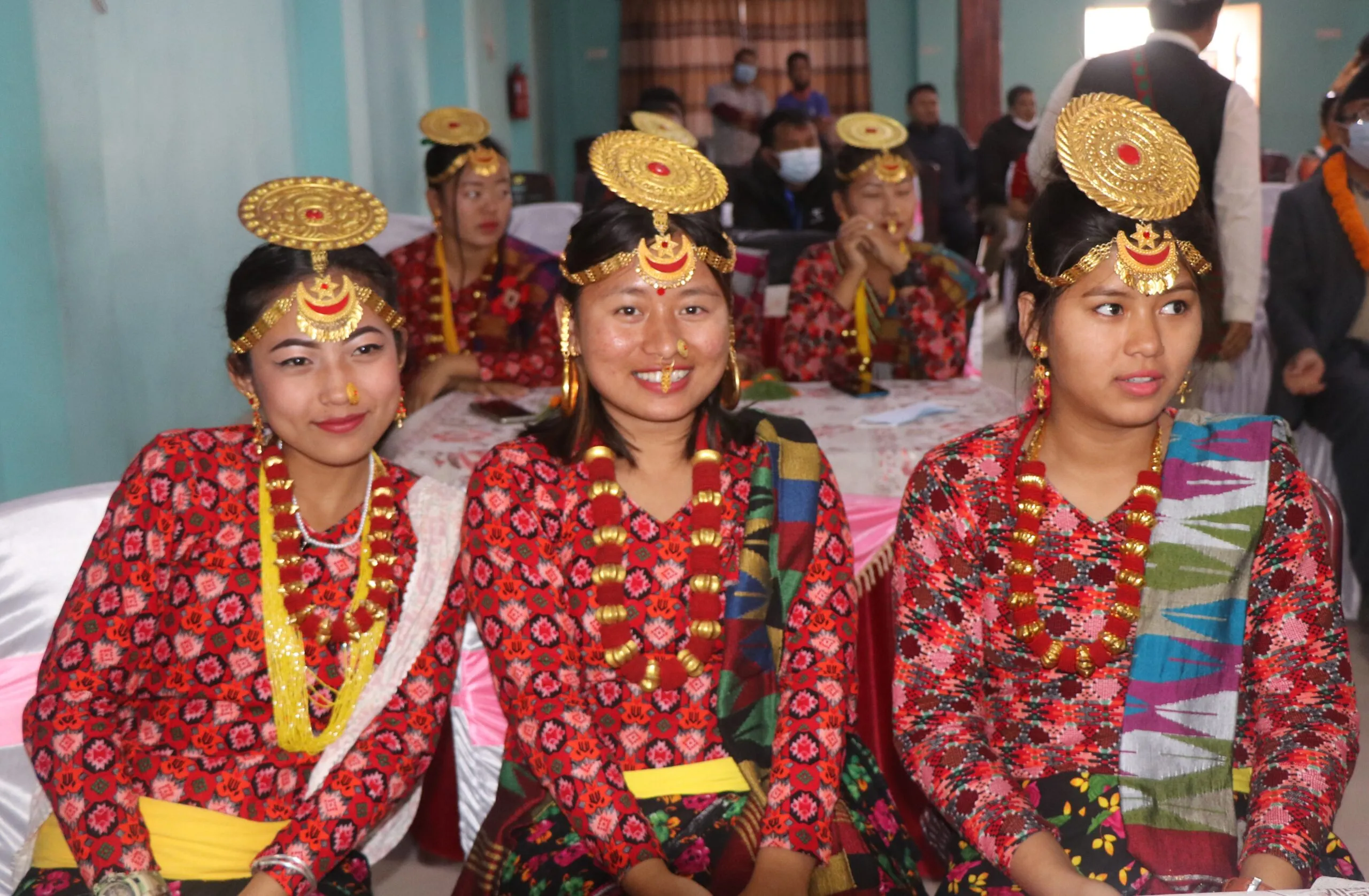
TAPLEJUNG: The Limbu community is celebrating the Kakphekwa Tangnam festival today.
Celebrated as Maghe Sankranti by the other communities, the Limbu community observes this cultural festival as the Kakphekwa Tangnam as per the Limbu customs.
In the Limbu language, ‘Kakphekwa’ means the flowering of the Chaanp plant while ‘Tangnam’ means festival. Chaanp in Nepali language is the name of a plant identified with Magnolia champaca.
Today also marks the beginning of the new year of the Limbu community.
This festival is especially marked by the Rai. Limbu, Yakkha, Sunuwar, among the Limbu sub-castes.
On this occasion, people eat various types of yams, tubers and sweet potatoes, said Rudra Kumar Liwang of Mikwakhola rural municipality.
A legend related to this festival from the Mundhum, the holy book of the Kiratas, states that the Limbu ancestors survived by eating the wild yams and tubers when there was no food grains.
The Yele Tangbe (Dong) or the Limbu new year 5084 has started from today, said Saroj Kangliwa, the district secretary of Yakthung Chumlung.
The festival commenced from the morning today with people taking bath and putting on a ‘tika’ mark of the wild yam on their foreheads.
RSS





Comment