




KATHMANDU: As the Hindu festival of Dashain unfolds, joy and celebration fill homes across the region.
Many partake in the tradition of offering sacrifices, while others, who refrain from fish and meat, present an array of fruits and vegetables.
However, alongside the festivities, alcohol often finds its way into gatherings, where family and friends come together to celebrate.
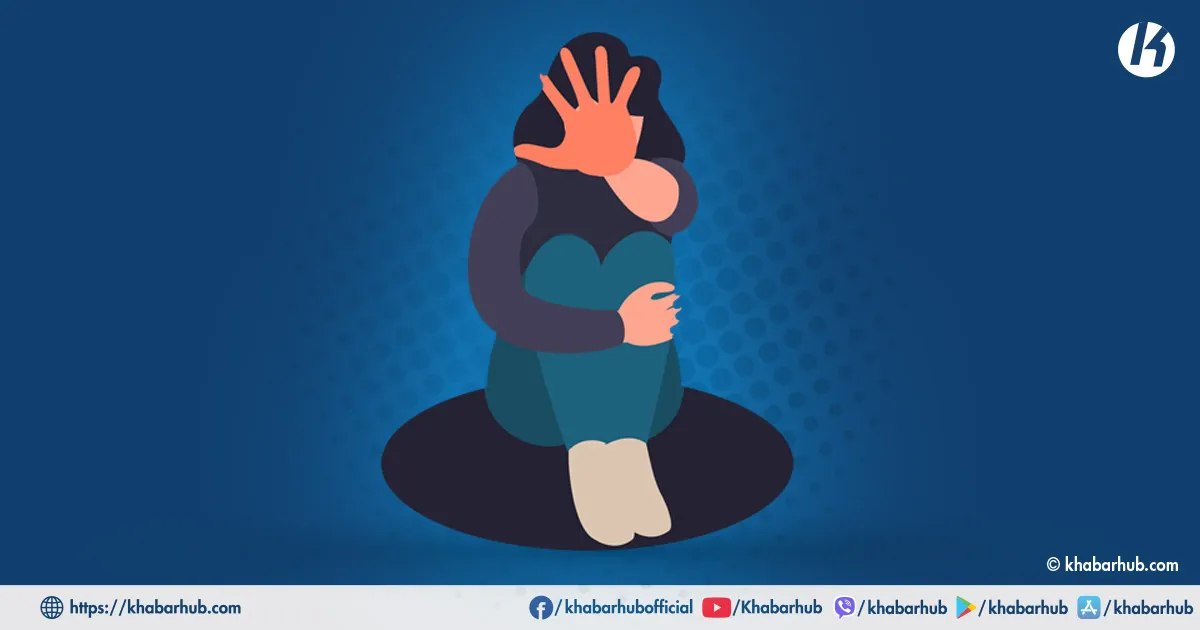
Unfortunately, this recreational drinking can lead to an increase in domestic violence, particularly against women.
Sabita Pokharel, President of Women Rehabilitation Center – Nepal, highlights that alcoholism is a significant contributor to violence against women (VAW).
“Alcohol can distort judgment and embolden individuals to act out violently. A drunk man won’t confront his boss but will direct his aggression towards the most vulnerable – often a woman or his wife,” she explains.
“Violence is not acceptable and should be addressed immediately. A foundation of equality between spouses is essential. Most incidents of violence stem from close relationships—neighbors, relatives, even children and elderly family members can become perpetrators.”
This pattern of behavior tends to escalate during festive periods.
Despite regulations intended to control alcohol sales, enforcement remains lax, leaving women particularly vulnerable to the consequences of excessive drinking.
“The perception of male superiority often fuels violence,” Pokharel notes. Her experiences reveal that domestic violence permeates all societal levels, from ordinary families to elite households, although the latter may exhibit a higher tolerance for abuse.
Pokharel emphasizes that victims often wait until the last moment to report incidents of violence.
“Women are expected to reconcile with their husbands, returning to the very environments where they face abuse,” she laments.
Sabita Prasai, another prominent women’s rights activist, asserts that while society teaches that violence should not be tolerated, it fails to convey the message that violence should not be perpetrated.
“We need to educate offenders that violence is unacceptable,” she states.
Prasai further elaborates that violence extends beyond physical harm; verbal abuse can lead to profound mental distress, contributing to depression and, in severe cases, suicide.
Vulnerable populations, including women from marginalized communities, teenagers, and girls, face heightened risks.
“The powerless often inflict violence on others who are equally powerless,” Prasai explains, emphasizing the insidious cycle of abuse.
Statistics from Women Rehabilitation Center – Nepal reveal that 58 percent of women experience violence from their husbands.
Pokharel reports receiving around 300 complaints each month, primarily from women subjected to domestic abuse.
How to reduce violence against women?
Both Pokharel and Prasai advocate for a shift in societal perceptions of women.
“Women have long been viewed as second-class citizens within families, leading to the normalization of abusive behavior,” Pokharel states.
“Violence is not acceptable and should be addressed immediately. A foundation of equality between spouses is essential. Most incidents of violence stem from close relationships—neighbors, relatives, even children and elderly family members can become perpetrators.”
Normalizing violence by attributing it to mental instability only perpetuates the problem.
“Covering up offenders will not lead to a reduction in violence. Until perpetrators are held accountable, these incidents will continue,” they stress.
Addressing this issue requires more than just legal intervention; it demands collective action.
Every individual has a role in opposing violence and ensuring that perpetrators face consequences for their actions.






Comment