




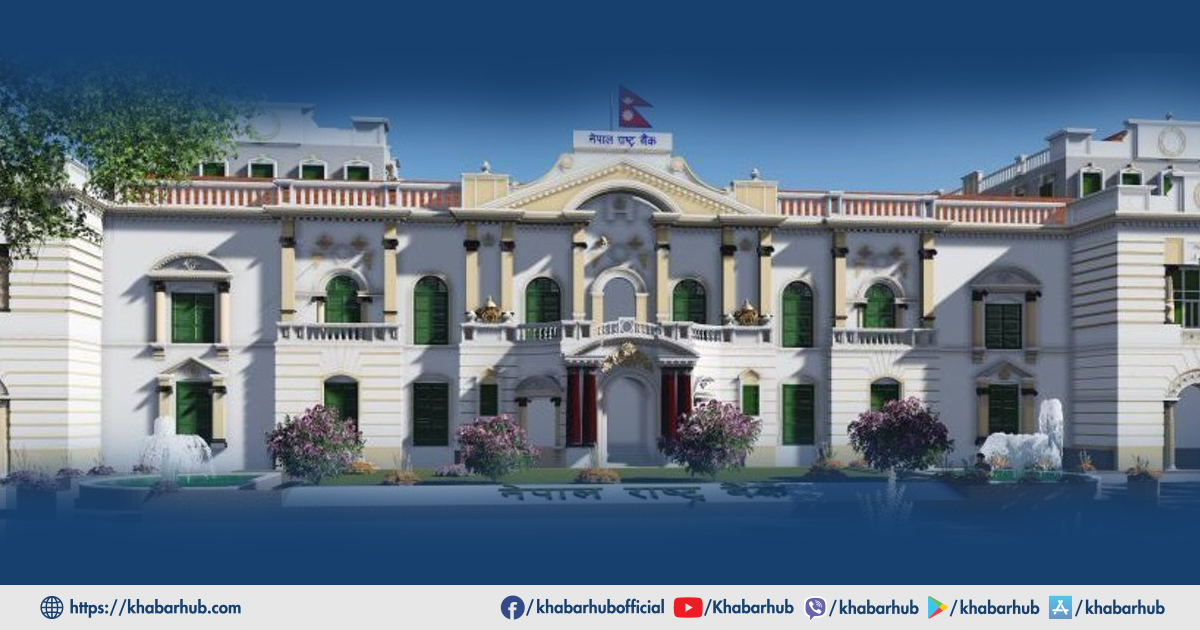
KATHMANDU: Nepal Rastra Bank (NRB) has saved Rs 1.5 billion by not printing fresh banknotes this year for the Dashain and Tihar festivals, leading to a significant decrease in currency exchange among the public.
Last year, the Central Bank issued Rs 14 billion worth of new currency notes in the Kathmandu Valley alone and Rs 29 billion nationwide for exchange.
This year, currency exchange is limited to approximately Rs 4 billion, a decline of nearly Rs 25 billion compared to the previous year.
According to Basudev Bhattarai, Director of the NRB’s Currency Management Department, it is estimated that around Rs 2 billion in notes have been issued by NRB’s subordinate offices, with an equal amount distributed by other banks for exchange.
The bank has avoided the logistical challenges associated with managing additional human resources for printing new notes.
Bhattarai noted that last year, nearly Rs 1.5 billion was spent on printing new currency notes.
With approximately 6.6 million households in the country, 50 percent—about 3.3 million families—do not have access to new banknotes.
Printing notes of different denominations for half of these households would cost around ₹6 billion, according to the NRB.
This year, the bank is prioritizing the use of clean currency notes instead of producing new ones.






Comment