




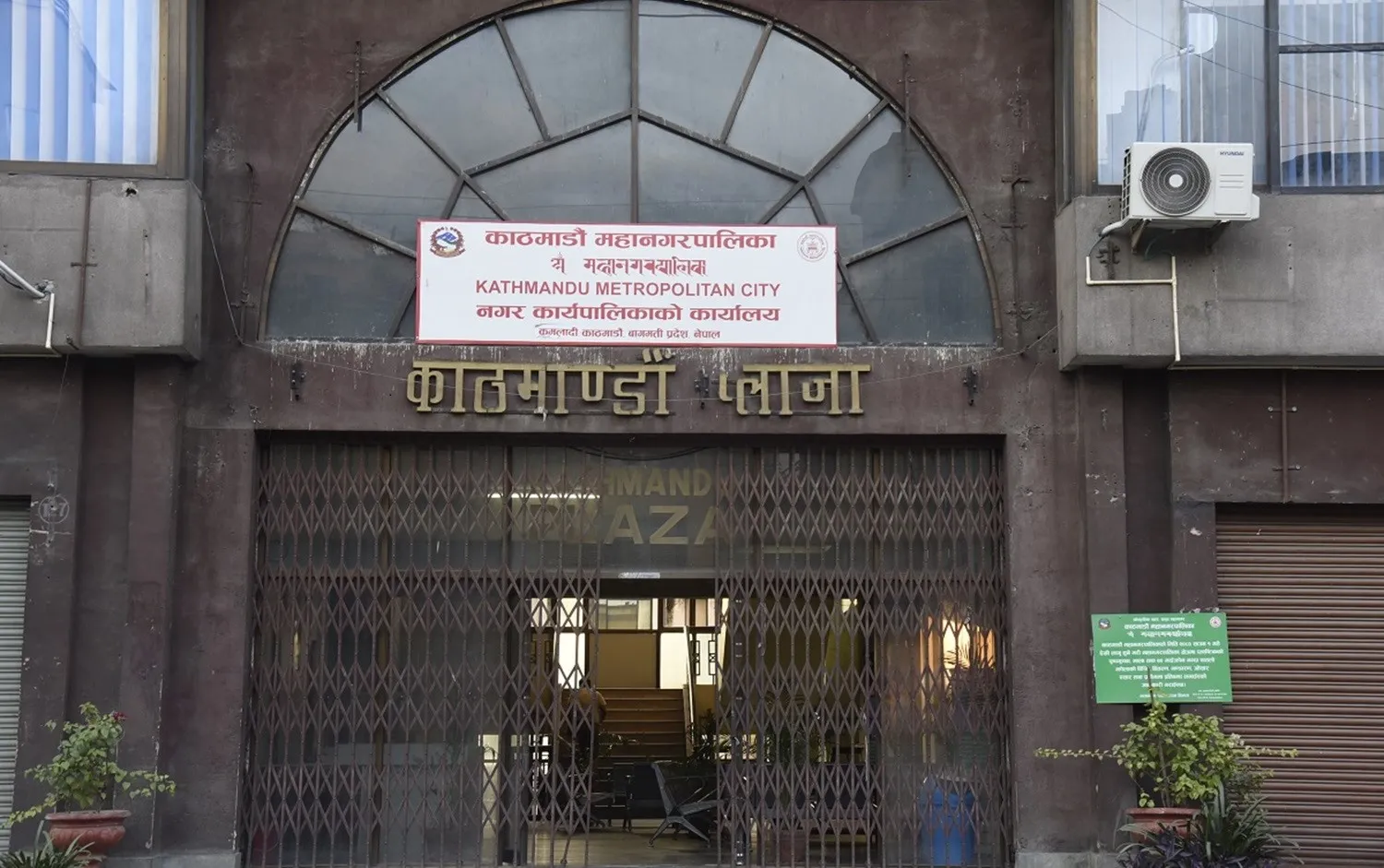
KATHMANDU: The Kathmandu metropolis has recorded 110 cases of leprosy during the fiscal year 2079-80 BS, according to a study by the Leprosy Control and Disabilities Management Section under the Epidemiology and Disease Control Division, Department of Health Services.
The study, supported by various government and non-government organizations, revealed the presence of leprosy cases within the metropolis area during this period.
In response, NGO NLR Nepal has initiated an awareness program on leprosy in collaboration with local representatives, health workers, and volunteers.
The program focuses on disseminating information about this infectious disease, its primary consequence of physical impairment, and available treatment options.
Executive Director Bikashman Singh of NLR Nepal emphasized the importance of timely detection and intervention, highlighting that leprosy is preventable through medication.
Leprosy, caused by the bacteria Mycobacterium leprae, is primarily transmitted through respiratory routes, although it is considered a less communicable disease, as noted by Singh.
Dr. Prashanna Napit, Section Chief, stated that a total of 2,522 new leprosy patients were identified nationwide in the fiscal year 2022-23, with the highest number, 944 cases, reported in Madhesh Province.





Comment