




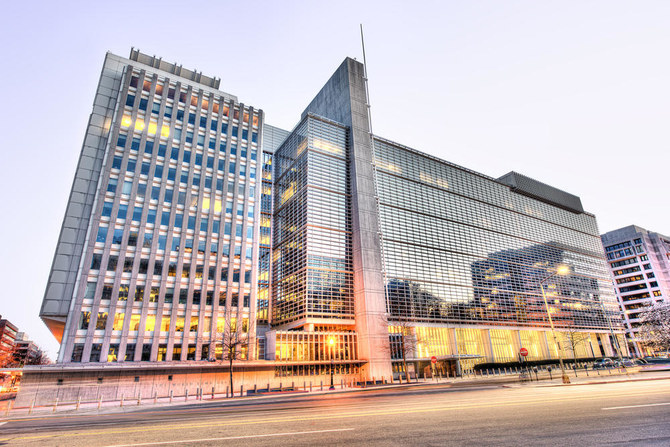
KATHMANDU: According to the World Bank’s Nepal Development Update released on Tuesday, the consumer price inflation in Nepal is expected to persist at 6.7% in the Fiscal Year 2024, hovering near the central bank’s 6.5% ceiling.
This projection is attributed to several factors including the removal of VAT exemptions, India’s food export restrictions, and increased paddy minimum support prices.
However, a decline in inflation is forecasted for FY25 (6%) and FY26 (5.5%), driven by global commodity price moderation and domestic price containment through monetary policy.
Additionally, lower inflation in India may also aid in reducing domestic inflation through the currency peg, thus mitigating imported inflation.
The report also forecasts Nepal’s economic growth to rebound from 1.9% in FY23 to an estimated 3.3% in FY24, with further acceleration to 5% on average over FY25-26.
This recovery is expected to be fueled by monetary policy easing and reforms to enhance the business environment, potentially attracting more private investment and bolstering medium-term growth prospects.
While the services sector is projected to be the primary driver of growth, supported by a surge in tourist arrivals and government policies aiding real estate loans, the industrial sector is expected to benefit from significant expansions in electricity generation capacity.
However, agricultural growth may slow down due to various factors including the outbreak of lumpy skin disease among livestock and a decrease in paddy production growth.
The report also highlights the forecasted improvement in the current account balance returning to surplus in FY24, driven by robust remittance growth and a narrowing trade deficit, although subsequent years may see a narrowing surplus as remittances taper off and the trade deficit expands.
On the fiscal front, Nepal’s fiscal deficit is expected to decrease significantly from its peak in FY23, stabilizing around 3% of GDP in the medium term, supported by increased revenue and enhanced execution of public investment.
However, challenges remain, including geopolitical uncertainty, growth slowdown in partner countries affecting remittances and tourism, persistent inflation expectations, and natural disasters.
The report underscores the need for strengthening the execution and efficiency of capital expenditure, sound monetary policy, and addressing the increasing level of non-performing loans in the financial sector to support economic growth and stability.
Additionally, efforts to diversify external earnings sources beyond remittances, such as tourism and foreign direct investment, are crucial for Nepal’s economic resilience and sustainability.




Comment