




Reflecting on the beginning of the week, it is imperative to turn our attention to our “neighbors.”
Persistent food shortages, political prisoner camps where survival is a challenge, and an unparalleled surveillance society define North Korea’s dire human rights situation.
While long-standing, recent international criticism has intensified, notably during the United Nations Security Council’s first public meeting on North Korea’s human rights issues in six years.
This summer, the Yun Seok-Yeol administration in South Korea emphasized denuclearization and human rights improvement as core elements of its North Korea policy.
Despite North Korean media portraying Supreme Leader Kim Jong-un as a “benevolent father who loves the people first,” harsh realities suggest a stark disconnect from this narrative.
Ruling through oppression and fear
A source familiar with North Korea’s internal affairs reports a surge in public execution since the country declared the end of the pandemic in August last year.
The number has risen from a few dozen annually to over 100 post-pandemic. Concerns also loom over North Korean defectors detained in northeastern China, with reports of repatriations and potential increases.
The analogy of “The Frog and the Scorpion” is evoked, characterizing North Korea as the scorpion in this fable—where the governing system’s nature remains consistent, instilling fear and suppressing human rights.
Hope for change and international intervention
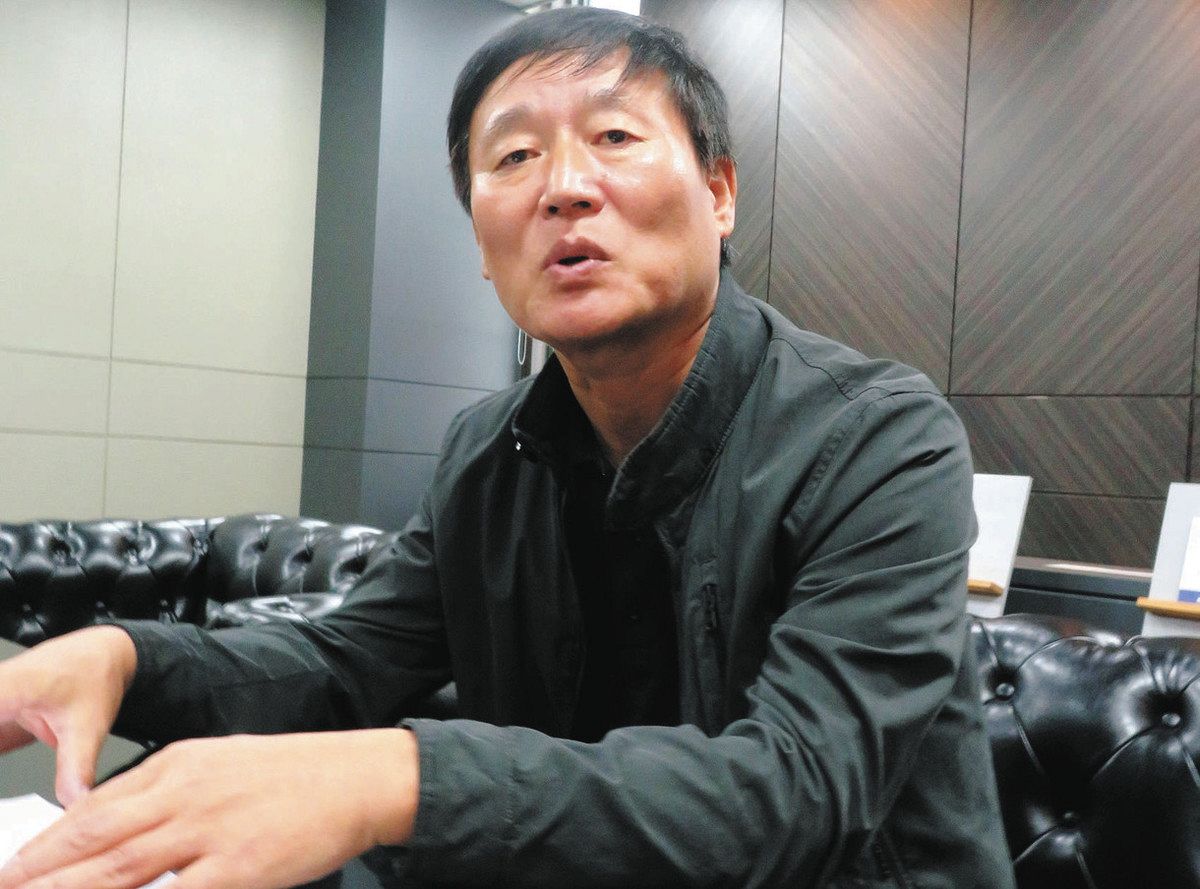
Amid gloomy prospects, Kim Kwang-jin, Director of the North Korea Human Rights Research Center, emphasizes persistent efforts.
He calls for continuous documentation of human rights violations, issuing warnings to North Korea, and leveraging international platforms to pressure the regime.
Resolving the current food shortage is highlighted as the most pressing issue, urging pressure to guarantee residents’ right to eat and live.
Kim, a former North Korean economic official with firsthand exile experience, underscores the pivotal role of residents in effecting change. Providing them access to external information becomes crucial in this context.
Unforgivable human rights and a call for accountability
In July, North Korea published a pamphlet titled “Human Rights Frozen Zone,” criticizing the human rights situation in South Korea.
The pamphlet asserts that human rights are inviolable and the duty of all countries and peoples to guarantee.
However, the irony is palpable, demanding Kim Jong-un to confront the human rights situation within his own borders.
In conclusion, the plea extends beyond borders, emphasizing the necessity for North Korea to consider its “neighbors,” especially those bound by a cruel fate, with dignity and lives that should never be disregarded.
(Unofficial transition/Source: The Tokyo Shimbun)


Comment