




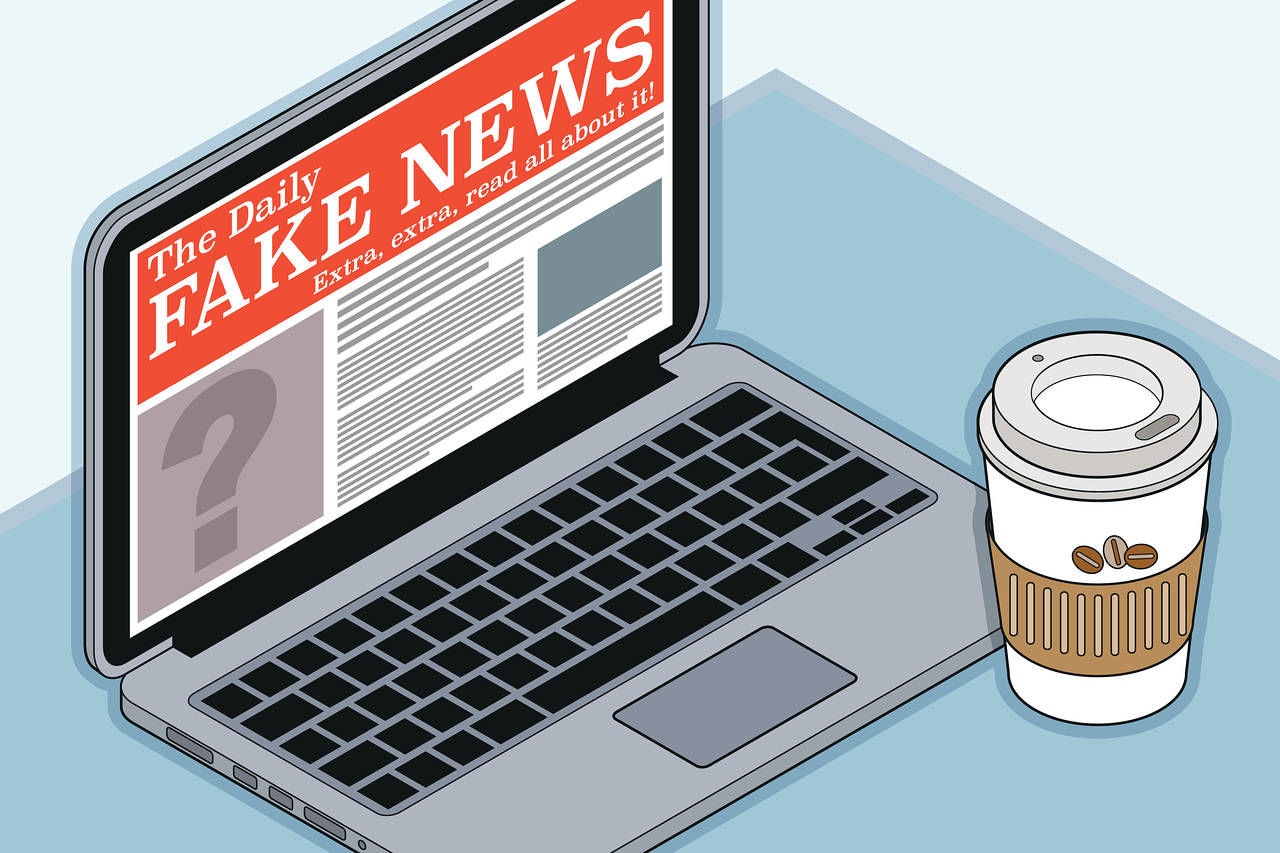
NEW YORK: The reach of the so-called “fake news” websites during elections may not be as widespread as commonly feared as researchers have found that visits to untrustworthy websites only account for a small portion of a voter’s news diet.
The research, published in the journal Nature Human Behaviour, showed that untrustworthy websites accounted for only six percent of all Americans” news diets on average during the period before and immediately after the U.S. presidential election.
Less than half of all Americans visited an untrustworthy website during the period, said the study.
“These findings show why we need to measure exposure to ”fake news” rather than just assuming it is ubiquitous online,” said Brendan Nyhan, Professor at Dartmouth College, New Hampshire, US.
“Online misinformation is a serious problem, but one that we can only address appropriately if we know the magnitude of the problem,” Nyhan said.
To assess the audience for “fake news,” the researchers measured visits to these dubious websites during the period before and immediately after the election using an online survey of 2,525 Americans and web traffic data collected by YouGov Pulse between October 7-November 16, 2016 from respondents” laptops or desktop computers.
The U.S. presidential election that year was held on November 8. Republican Donald Trump defeated Democrat Hillary Clinton in the election.
The results of the study showed that visits to dubious news sites differed sharply along ideological and partisan lines.
Content from untrustworthy conservative sites accounted for nearly five percent of people”s news diets compared to less than one percent for untrustworthy liberal sites.
Respondents who identified themselves as Trump supporters were also more likely to visit an untrustworthy site (57 percent) than those who indicated that they were Clinton supporters (28 percent).
The data also revealed that Facebook was the most prominent gateway to untrustworthy websites.
Respondents were more likely to have visited Facebook than Google, Twitter or a webmail platform such as Gmail in the period immediately before visiting an untrustworthy website.
Finally, the study demonstrates that fact-checking websites appeared to be relatively ineffective in reaching the audiences of untrustworthy websites.
Only 44 percent of respondents who visited such a website also visited a fact-checking site during the study, and almost none of them had read a fact-check debunking specific claims made in a potentially questionable article.
(with inputs from Agencies)






Comment