




KATHMANDU: Nepal Police Hospital has begun DNA profiling to identify the bodies and human remains of Nepali and foreign nationals who died in the Bhotekoshi flood in Rasuwa.
The profiling has been initiated to help identify bodies and body parts recovered from the disaster and establish the identity of people who remain missing.
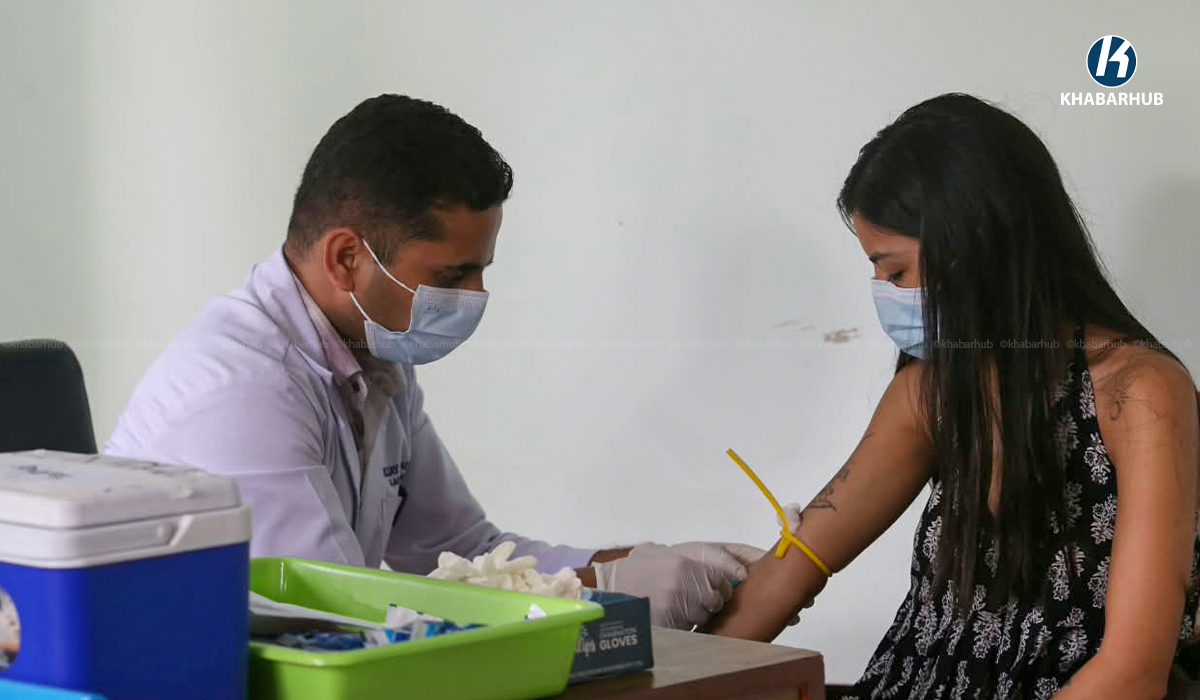
As of 5 pm Wednesday, DNA samples from 539 relatives of missing people had been collected at the hospital for profiling.
Nepal Police Hospital spokesperson Rameshwar Adhikari said relatives of missing people can visit the hospital with any document confirming their identity and two photographs to provide their samples.
“They will need to fill out a form available at the hospital. If they are unable to complete the form, hospital staff will assist them. Samples will then be collected by a team of specialist technicians,” Adhikari said.
The collected samples will be sent to the Nepal Police Forensic Science Laboratory and the Nepal Academy of Science and Technology for analysis.
Police teams are carrying out the identification of bodies recovered from flood-affected areas, preparing scene reports and completing other required legal procedures before managing the remains.
According to police, recovered bodies are securely placed in body bags after necessary legal procedures are completed at the recovery site. Forensic experts conduct examinations, while photographs and available identifying information are displayed to help families and members of the public identify the victims.
Unidentified bodies are assigned individual identification or code numbers. Police are maintaining systematic records of photographs, physical descriptions, identifying marks, clothing and items found with each body.
DNA samples are also being collected and preserved to enable scientific identification of the remains.
Police said a blood sample from one close relative—father, mother, son or daughter—is required to compare DNA and identify a recovered body or body part.
In the case of missing foreign nationals, one of their parents or children can undergo DNA profiling in their home country and send a soft copy of the DNA profile to the official email of Nepal Police for comparison.



Comment