





KATHMANDU: Nepal’s growing in-vitro fertilisation (IVF) sector has come under renewed scrutiny following allegations that a 17-year-old girl was illegally recruited to donate her eggs, exposing concerns over weak regulation and unethical practices in reproductive health services.
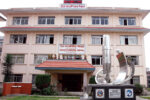
The latest case involves Dr Nutan Sharma, a gynaecologist and obstetrician at B&B Hospital in Gwarko, Lalitpur, who has been accused of involvement in the alleged illegal extraction of eggs from a minor.
According to the complaint, the Grade 11 student was persuaded by a friend and an alleged middleperson, who reportedly assured her that egg donation was harmless and that the eggs would otherwise go to waste. She was allegedly promised Rs 50,000 in return.
The girl was reportedly taken to a clinic in Gwarko, where she received hormone medication before undergoing an egg retrieval procedure on June 28.
Following the procedure, she allegedly developed serious health complications, including dizziness, repeated fainting and difficulty standing. Her family learned about the incident only after her condition deteriorated, after which she was admitted to Tribhuvan University Teaching Hospital in Maharajgunj for treatment.
The family claims she ultimately received only Rs 30,000, most of which was spent on medical treatment.
Police investigation underway
After the family filed a complaint with the Lalitpur District Police Office, police arrested 21-year-old Radhika Gotame, who is accused of acting as a broker in the case.
Lalitpur Police spokesperson Gautam Mishra said Gotame has since been released on bail following instructions from the District Government Attorney’s Office, but the investigation remains ongoing.
Police said investigations are continuing into the involvement of other individuals connected to the case and that anyone found responsible will face legal action based on available evidence.
Second major IVF controversy
The incident is not the first to raise ethical concerns in Nepal’s fertility treatment sector.
Last year, another case emerged involving Hope Fertility, operated by senior gynaecologist Dr Swati Sharma, where two teenage girls were allegedly recruited to provide eggs that were later used in IVF procedures for infertile couples.
The case led to the arrest of several individuals, including Dr Pratyusha Baral. However, the accused were later cleared amid criticism that Nepal lacked clear legal provisions governing egg donation and reproductive technologies.
The decision prompted concerns among rights advocates, who argued that the victims had been denied justice.
Experts call for stronger regulation
Senior public health expert Dr Aruna Uprety has expressed serious concern over the latest allegations, saying ovarian stimulation through hormone treatment and egg retrieval are invasive medical procedures that require strict ethical standards and professional oversight.
Questioning the ethics of the practice, she asked whether those involved would have allowed the same procedure to be carried out on their own daughters or sisters, warning that exploiting young women for financial gain undermines public trust in the medical profession.
Calls for legal reforms
Although IVF services have expanded rapidly in Nepal, experts say the country still lacks comprehensive legislation governing egg and sperm donation, their use and oversight.
They warn that the legal vacuum has increased the risk of exploitation through brokers, endangered the health of young donors and created opportunities for the commercialisation of infertile couples’ emotional vulnerability.
Health experts and rights advocates have called for clear legislation, stronger regulatory mechanisms and stricter monitoring to ensure IVF services remain safe, transparent and ethically accountable.
Authorities have yet to conclude the ongoing investigation, and no formal determination of criminal liability has been made.




Comment