




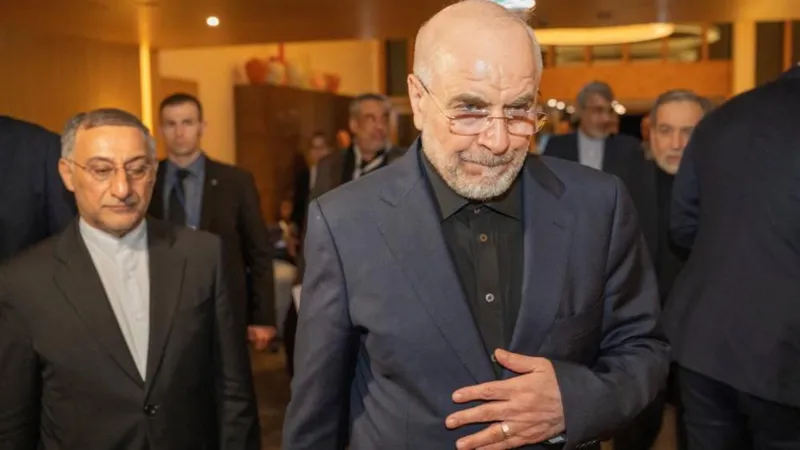
GENEVA: The first face-to-face talks between the United States and Iran since the recent ceasefire agreement are expected to continue through the night in Switzerland as both sides work toward a comprehensive deal aimed at ending the conflict, according to a senior US official involved in the negotiations.
The discussions began on Sunday, following an agreement reached last week under which both countries committed to finalising a broader deal within 60 days.
Speaking late Sunday, the US official said the talks were focused on resolving uncertainties surrounding Iran’s position on reopening the Strait of Hormuz, maintaining the ceasefire in southern Lebanon, and addressing key aspects of a potential nuclear agreement.
The negotiations come after US President Donald Trump warned Iran of possible military action if it failed to restrain Hezbollah amid ongoing clashes with Israeli forces in Lebanon. Tehran rejected the threat, insisting it was prepared to respond to any confrontation.
According to the US official, delegations meeting in the Swiss city of Lucerne intend to use the current discussions as the foundation for more detailed technical negotiations in the coming weeks.
Last week’s preliminary agreement included commitments to reach a final settlement within 60 days, halt hostilities across multiple fronts—including Lebanon—and restore navigation through the Strait of Hormuz.
Despite the agreement, tensions have remained high. Fighting between Hezbollah and Israeli forces in southern Lebanon intensified in recent days, while Israeli airstrikes reportedly killed dozens of people, including women and children, according to Lebanese health authorities.
The escalation prompted the United States to broker a new ceasefire between Israel and Hezbollah on Friday. Nevertheless, continued clashes and airstrikes led Iran to announce on Saturday that it had closed the Strait of Hormuz, although shipping data indicated that vessels continued to transit the waterway.
As talks opened in Lucerne, Trump posted on social media that Iran “must immediately stop” its allied groups in Lebanon from escalating tensions and warned that the US could “hit Iran very hard again” if the situation worsened.
Iranian negotiator Mohammad Bagher Ghalibaf dismissed the warning, arguing that US pressure had failed to alter Tehran’s position.
“Had their threats been effective, they would not be facing this situation today,” Ghalibaf said, adding that Iran would respond through actions rather than rhetoric.
While reports on Sunday suggested a reduction in fighting, Israeli Prime Minister Benjamin Netanyahu maintained that Israeli forces would remain in southern Lebanon for as long as necessary to safeguard communities in northern Israel.
(Inputs from BBC)





Comment