




KATHMANDU: The forced eviction of squatter settlements under the leadership of Balen Shah has sparked debate not only over governance and legality, but also over the role of artists in speaking out on social issues.
Many artists have remained largely silent on the issue, despite the fact that those displaced include their own audience base. Critics argue that such silence cannot be considered normal, especially when the same government had previously enjoyed strong support from the artistic community.
Public discourse on social media has broadly split into two camps. One views the government’s actions as lacking humanity, while the other defends the move as a necessary enforcement of law.
Those critical of the eviction point to the distressing scenes following the demolitions, arguing that the state’s approach toward vulnerable communities has been harsh and unacceptable. For them, the issue is not just legal but moral. On the other hand, supporters maintain that such consequences are inevitable when enforcing laws against encroachment.
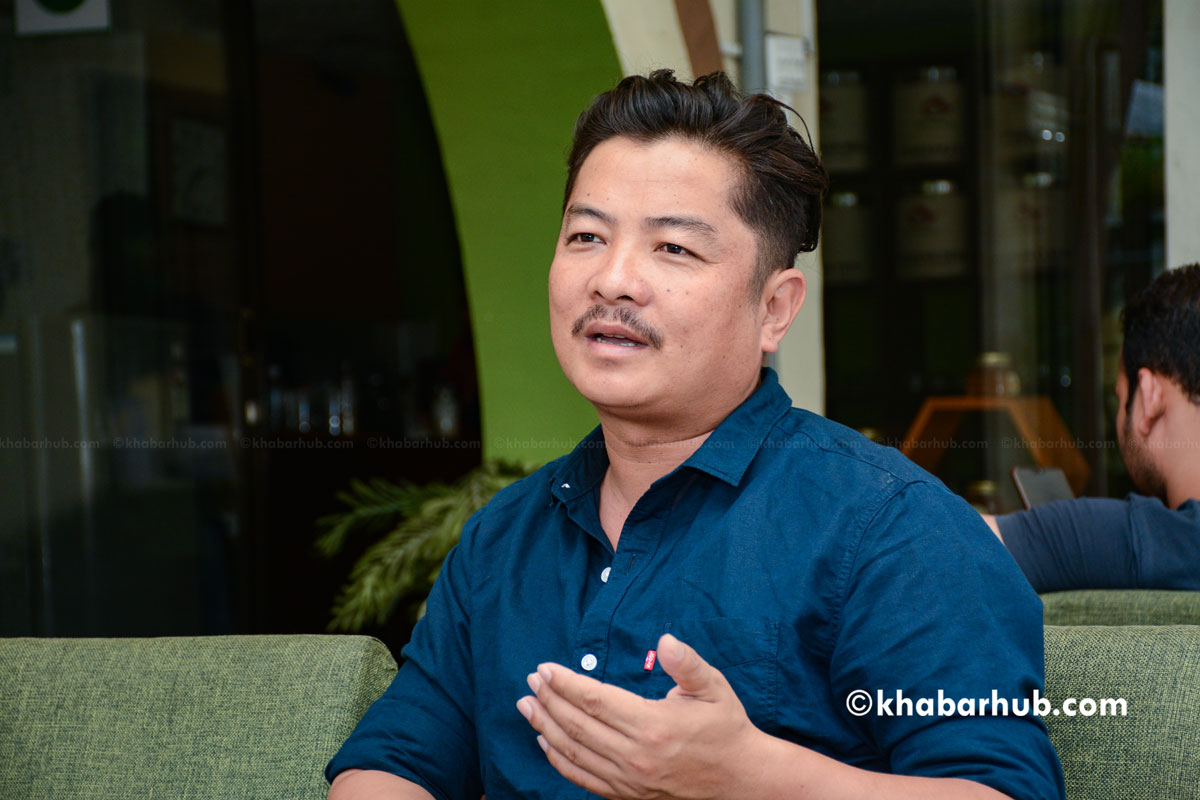
Amid this polarized environment, actor Dayahang Rai drew attention with a brief but pointed social media post: “It seems wealth can be hidden, but poverty cannot.”
The statement was widely interpreted as a critique of the government. The reference to hidden wealth was seen by some as a dig at leaders linked to the Rastriya Swatantra Party, amid ongoing scrutiny over asset declarations of its members. Meanwhile, the line about poverty was viewed as highlighting the visible suffering of displaced families after their homes were demolished.
While Rai did not explicitly label the eviction as right or wrong, his remark was seen as an attempt to draw attention to the humanitarian dimension of the crisis.
However, the reaction online was swift and often hostile. Supporters of the ruling establishment flooded comment sections with criticism, some welcoming him sarcastically to a space where public figures face backlash for dissenting views.
Rai was accused by some of aligning with political narratives, including alleged support for figures like Harka Sampang, who has been vocal about the plight of displaced communities. Others went further, using abusive language and even threatening to boycott his films.
The backlash has raised broader questions about the shrinking space for civil discourse. Observers note that even measured statements about humanitarian concerns are increasingly met with personal attacks, reflecting a growing intolerance on social media platforms.
Rai’s post, shared on Sunday morning, has since attracted a large volume of reactions—many of them marked by hostility rather than engagement with the issue itself.
As debates over legality, governance, and human rights continue, the episode underscores a deeper tension: whether public figures can speak on sensitive social issues without facing coordinated backlash, and what responsibility they carry in moments of public crisis.




Comment