




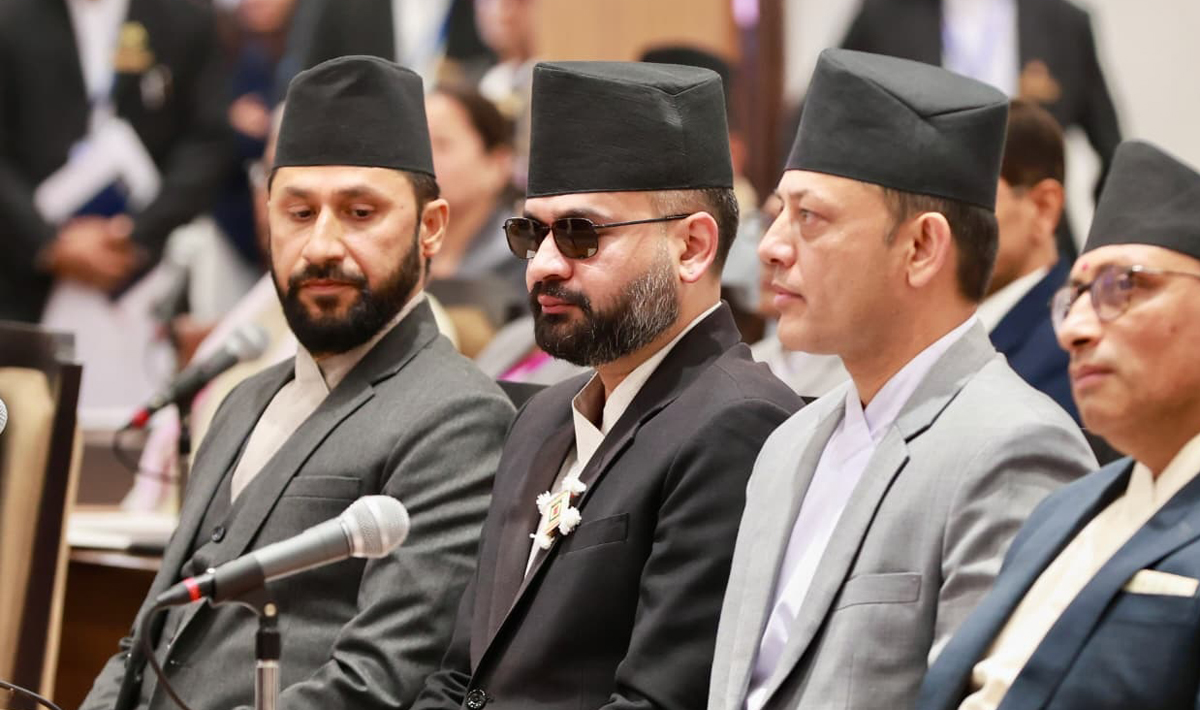
KATHMANDU: The government led by Balendra Shah has moved quickly to initiate discussions on amending the Constitution of Nepal, forming a task force that will include representatives from all parties represented in the Federal Parliament of Nepal.
The decision was taken at the Cabinet meeting held Monday at Singha Durbar. According to government spokesperson and Minister for Education Sasmit Pokharel, the task force will be coordinated by the prime minister’s political advisor Asim Shah.
The task force has been mandated to prepare a discussion paper on constitution amendment and begin a broader consultation process involving parliamentary parties.
Pokharel said the government intends to include representatives from the six political parties represented in Parliament in the task force to ensure a participatory process and build national consensus on possible constitutional reforms.
The move comes shortly after Shah assumed office as prime minister following the March 5 elections, in which the Rastriya Swatantra Party secured close to a two-thirds majority in Parliament.
The government has said the amendment debate will be conducted in a transparent, participatory and evidence-based manner, incorporating the views of political parties, experts and the public.
Learning from past political failures
The government’s move is widely viewed as an attempt to avoid the mistakes made by the previous political leadership on the issue of constitutional reform.
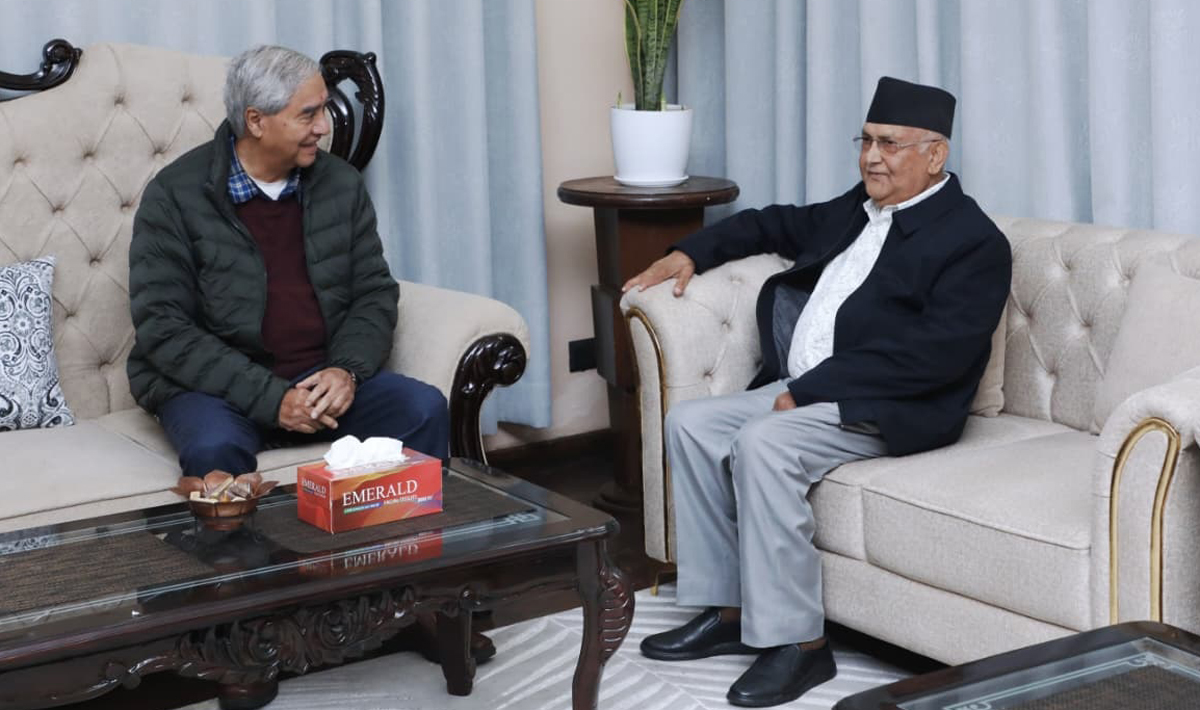
Earlier, the two largest parties in House of Representatives, Nepali Congress and CPN-UML, had signed a seven-point agreement on July 1, 2024, to collaborate in government after bringing down the administration led by Pushpa Kamal Dahal.
Under that agreement, the two parties had committed to forming a national consensus government, strengthening good governance and prioritising constitution amendment to address institutional and political challenges that had emerged since the constitution came into practice.
Following the agreement, UML chair KP Sharma Oli became prime minister on July 14, 2024, leading a powerful government with close to a two-thirds majority in Parliament.
However, critics say the Oli-led government failed to implement key provisions of the agreement during its tenure. Although the agreement had emphasised strengthening governance, controlling corruption and advancing constitutional reforms, little progress was made in these areas.
Political observers argue that the government instead became mired in controversy, including corruption allegations involving senior officials and ministers.
Among the controversies was the visit visa scandal, in which then home minister Ramesh Lekhak was accused of involvement in irregularities related to visa approvals. Opposition parties, including the Rastriya Swatantra Party and the Maoist Centre, repeatedly demanded his resignation and the formation of an investigation committee.
Despite sustained protests in Parliament, the ruling parties continued to defend Lekhak, drawing criticism from opposition parties and civil society groups.
Growing dissatisfaction
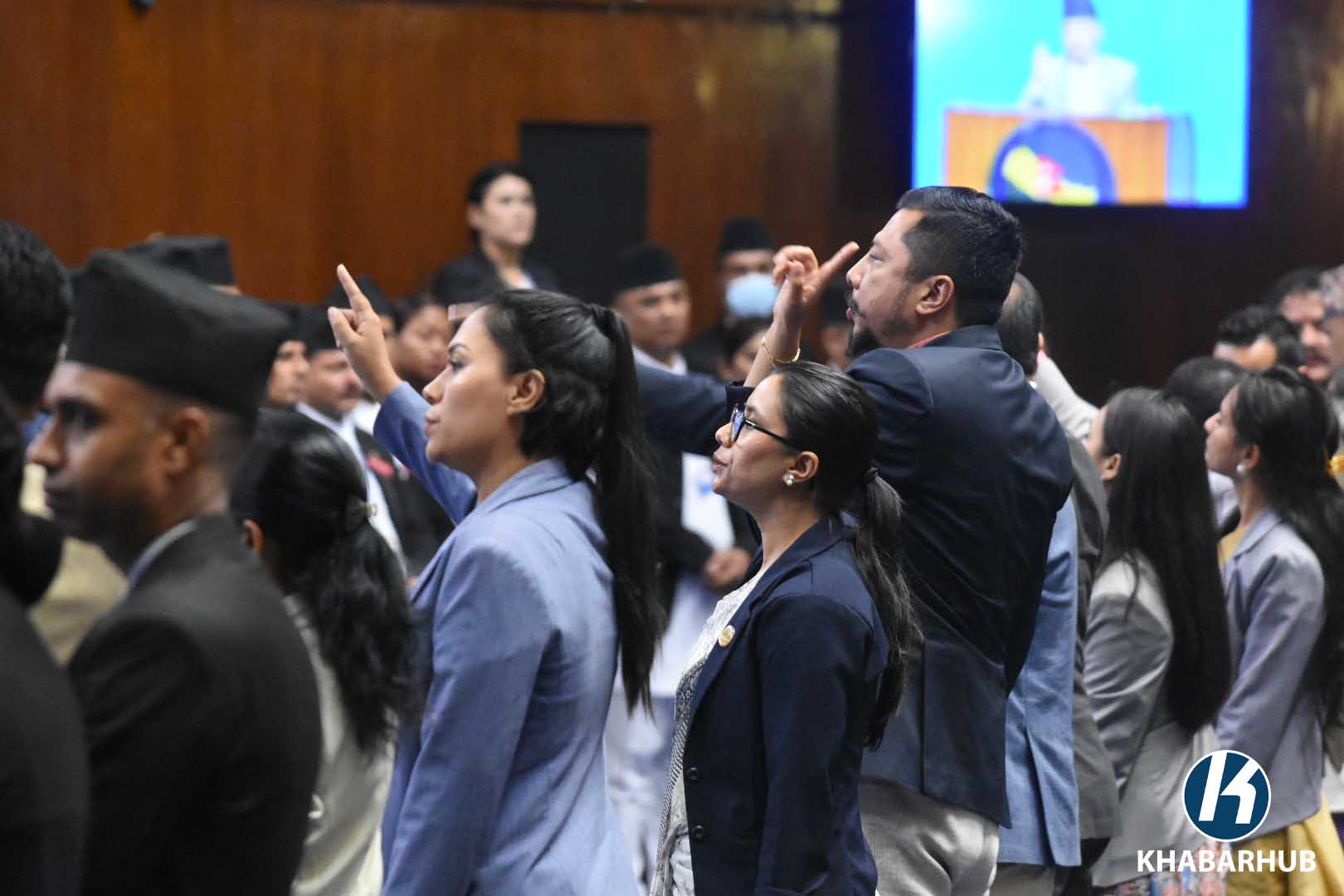
Dissatisfaction with the government’s performance grew over time, even within the ruling coalition.
Leaders within the Nepali Congress and UML questioned why the commitments made in the seven-point agreement were not being implemented. Among those raising concerns were then Nepali Congress general secretary Gagan Thapa and UML leader Surendra Pandey.
They repeatedly urged the government to prioritise constitution amendment and governance reforms, but the issue remained largely unaddressed during the government’s tenure.
Although constitution amendment was included in the government’s policy and programme and even referenced in the national budget, no concrete steps such as forming a task force or initiating formal discussions were taken.
As a result, political frustration and public dissatisfaction continued to build.
The situation eventually culminated in the Gen Z protests in September 2025, which significantly weakened the government. The protests and subsequent political developments ultimately led to the collapse of the Oli-led administration.
Early move by the new government
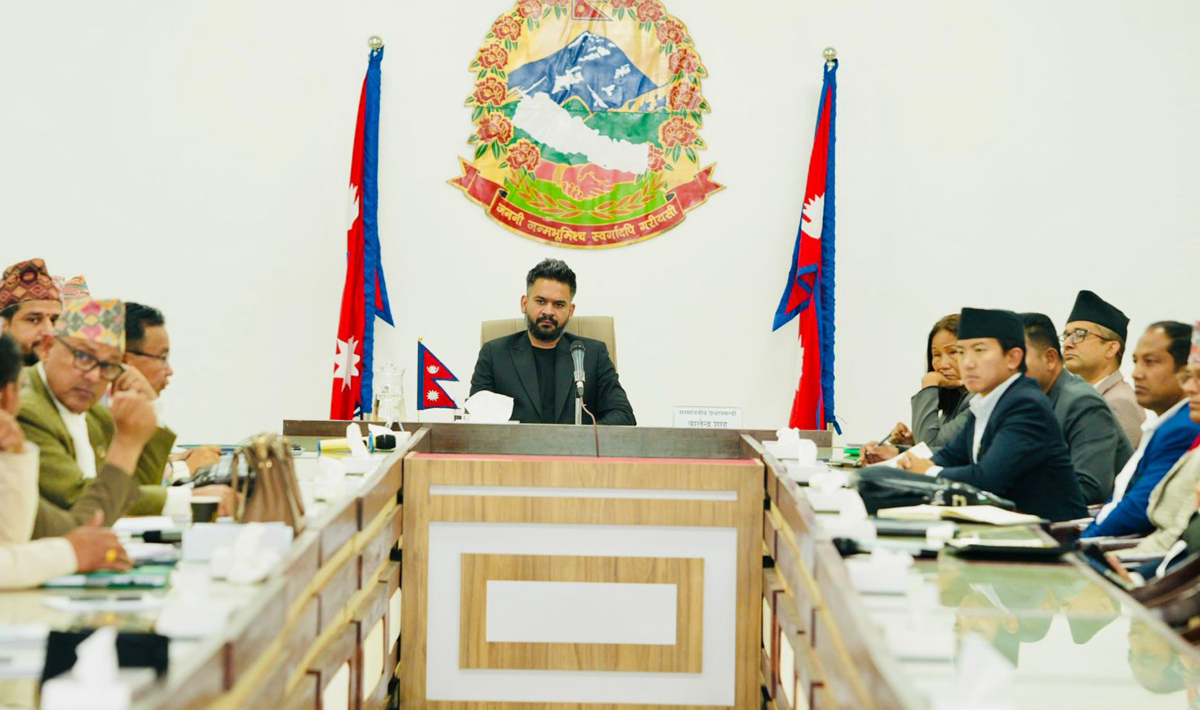
In contrast, the Shah-led government has moved quickly to begin work on constitutional reforms.
Shortly after forming the government, the Cabinet approved a 100-point governance reform roadmap aimed at strengthening institutional effectiveness and restoring public trust in the state.
The roadmap includes a commitment to initiate discussions on constitution amendment and to develop a “national commitment” document by incorporating implementable proposals from the election manifestos and pledges of political parties that participated in the February 21 elections.
Prime Minister Shah had earlier announced that the government would begin discussions on constitution amendment within seven days.
Within three days of that announcement, the Cabinet formed the task force to prepare the amendment discussion paper.
According to government officials, the task force will analyse various proposals related to long-term political and institutional reforms and incorporate them into the discussion document.
Key issues under discussion
The debate on constitution amendment is expected to cover a wide range of issues, including electoral reform and restructuring of governance institutions.
Currently, the constitution provides for a mixed electoral system under Article 84, with 165 members of the House of Representatives elected through the first-past-the-post system and 110 through proportional representation, making a total of 275 members.
Some political parties have argued that this system often results in fragmented mandates and coalition governments.
The Rastriya Swatantra Party has advocated for reforms including a fully proportional parliamentary system, directly elected executive leadership and a separation between parliamentary membership and ministerial appointments.
The party has also proposed discussions on non-partisan local governments and restructuring provincial governance.
Under the current constitution, Article 76(9) provides that the president appoints ministers from among members of the federal Parliament on the recommendation of the prime minister, with the Council of Ministers not exceeding 25 members.
However, the Shah-led government has already indicated plans to limit the Cabinet to 17 members as part of its governance reform agenda.
Toward a national consensus
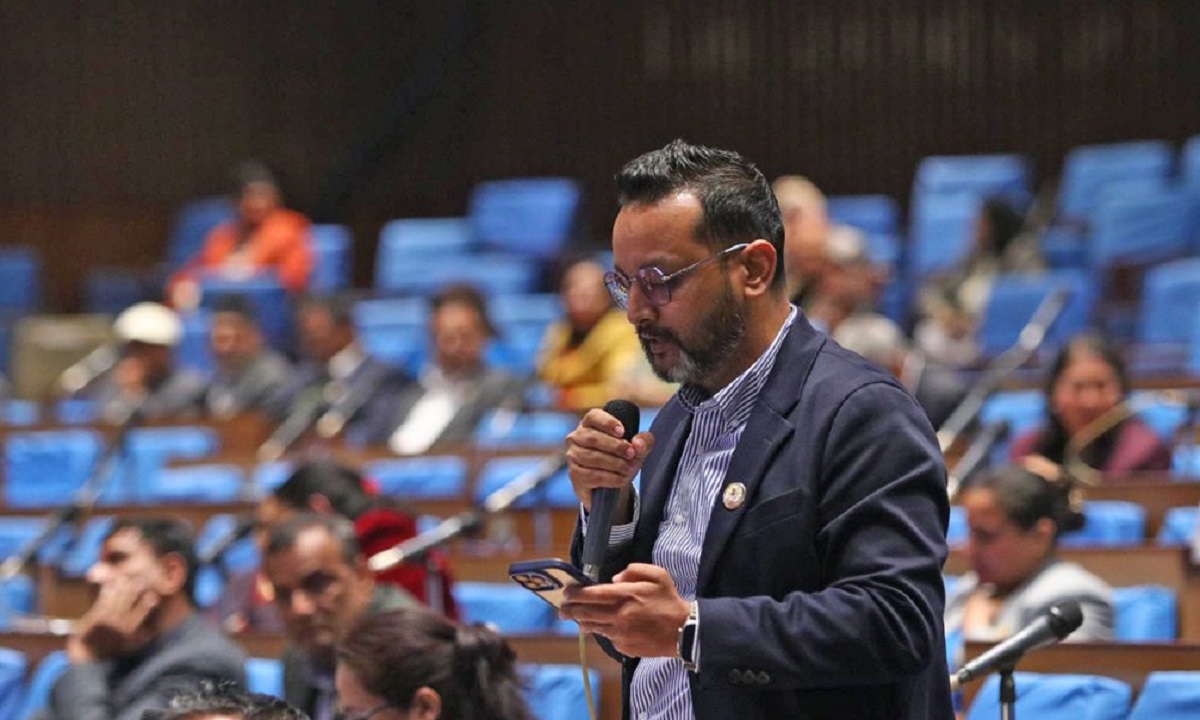
Government officials say the task force will prepare a discussion paper outlining possible amendment proposals before initiating a broader political dialogue.
The process will involve consultations with parliamentary parties, constitutional experts and other stakeholders.
According to Minister Pokharel, including representatives from all parliamentary parties in the task force is intended to ensure that the amendment process is inclusive and guided by national consensus rather than partisan interests.
Observers say the early initiation of the debate reflects the government’s effort to demonstrate responsiveness to public expectations and avoid the criticism faced by previous administrations for delaying constitutional reforms.
Whether the process ultimately leads to constitutional amendments will depend on the level of political agreement that emerges during the upcoming discussions. However, the formation of the task force marks the first formal step toward reopening the debate on constitutional reform in Nepal.






Comment