




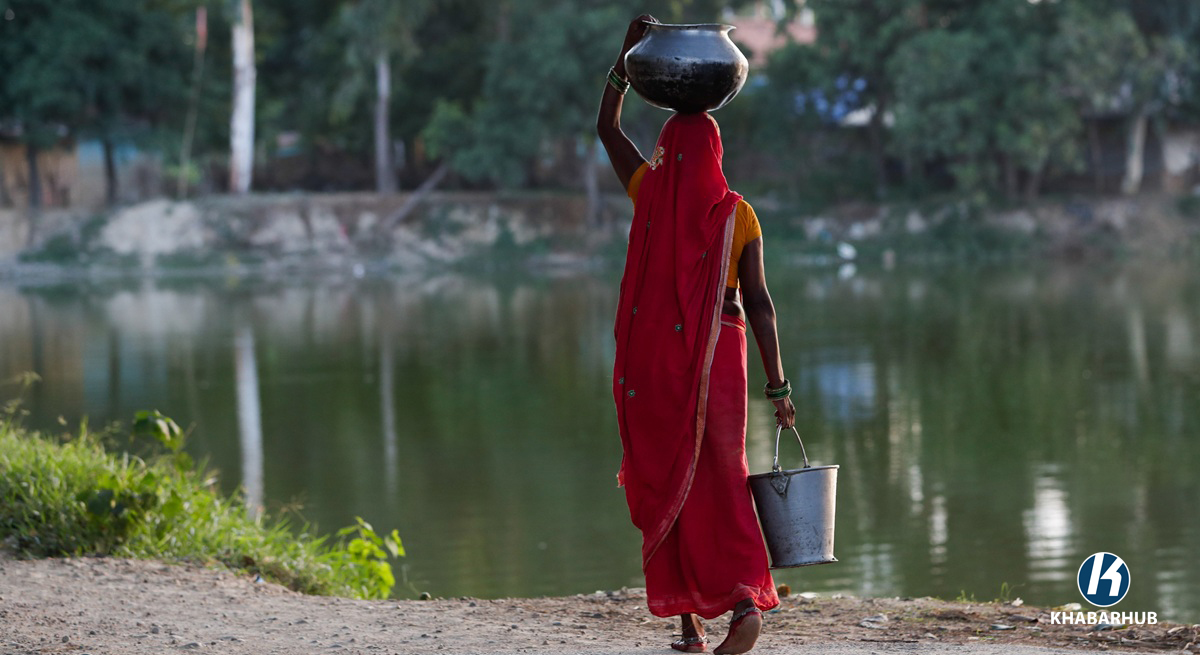
KATHMANDU: Experts working in the water, sanitation and hygiene (WASH) sector have called for making Nepal’s water policies, supply systems and usage practices more women-friendly.
The recommendation was made during a workshop on “Water and Gender Equality” organized in Kathmandu on Monday by Smart WASH Solutions on the occasion of World Water Day 2026.
Speaking at the event, Dr. Manorama Khadka, Director at the International Water Management Institute, said Nepal has failed to make its water-related policies, programs and practices gender-friendly, negatively impacting women’s economic, social and educational development.
She noted that water supply remains inadequate in many rural areas, where women are still primarily responsible for collecting water for drinking and household use. This, she said, has affected girls’ education and limited their participation in social activities.
Khadka also highlighted that women often face violence while collecting water. “The situation of Dalit women is even more alarming. Whether in the Tarai or the hills, caste-based discrimination and untouchability are still widespread,” she said.
Joint Secretary at the Ministry of Water Supply, Meena Shrestha, said the lack of equal sharing of household responsibilities between men and women continues to hinder women’s development. She pointed out that initiatives like the ‘One House, One Tap’ campaign, supported by development partners in some local levels, could significantly improve women’s socio-economic conditions once fully implemented.
Senior Divisional Engineer at the Water and Energy Commission Secretariat, Dr. Kapil Gyawali, said the commission has started observing a “WASH Week” incorporating World Water Day, Glacier Day and Water and Meteorology Day, emphasizing the importance of the multi-dimensional use of water.
Former minister Ganesh Shah said water is a key indicator of prosperity across the world. “Those who have more water are wealthier, while those without it are poorer. Water can make people prosperous,” he said, stressing the importance of accessibility, availability and affordability.
During the second session, a discussion led by former vice-chancellor of the Nepal Academy of Science and Technology and former National Planning Commission member Dr. Sunil Babu Shrestha saw experts, policymakers and practitioners share best practices in the sector.
The program concluded with closing remarks by WaterAid Nepal representative Kavindra Pudasaini, while Smart WASH Solutions Chairperson Ramdeep Sah delivered the welcome speech.
The United Nations has been observing World Water Day since 1993. This year’s theme focuses on water and women, with the slogan: “Where water flows, equality grows.”



Comment