




KATHMANDU: As the country heads toward the House of Representatives election on March 5, major political figures have begun projecting themselves as prospective prime ministers. While Nepal follows a parliamentary system where the prime minister is elected by majority support in the House after polls, several leaders have already presented themselves as candidates for the top post.
Nepali Congress President Gagan Kumar Thapa, CPN-UML Chair KP Sharma Oli, and Rastriya Swatantra Party leader Balen Shah have publicly positioned themselves as future prime ministers. Meanwhile, Nepali Communist Party (NCP) coordinator Pushpa Kamal Dahal has claimed his party will emerge as the largest force.
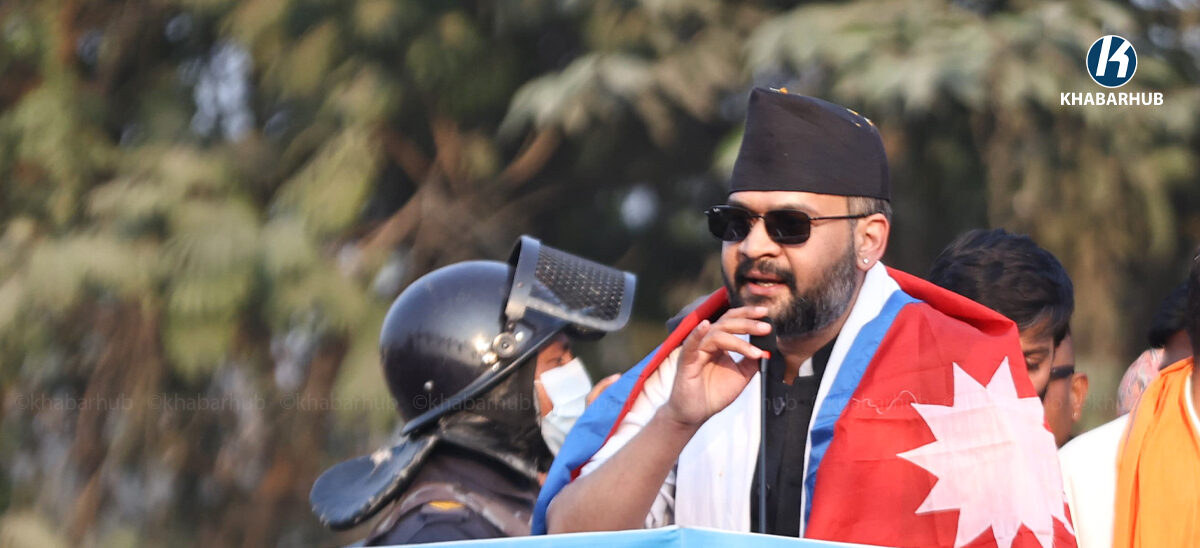
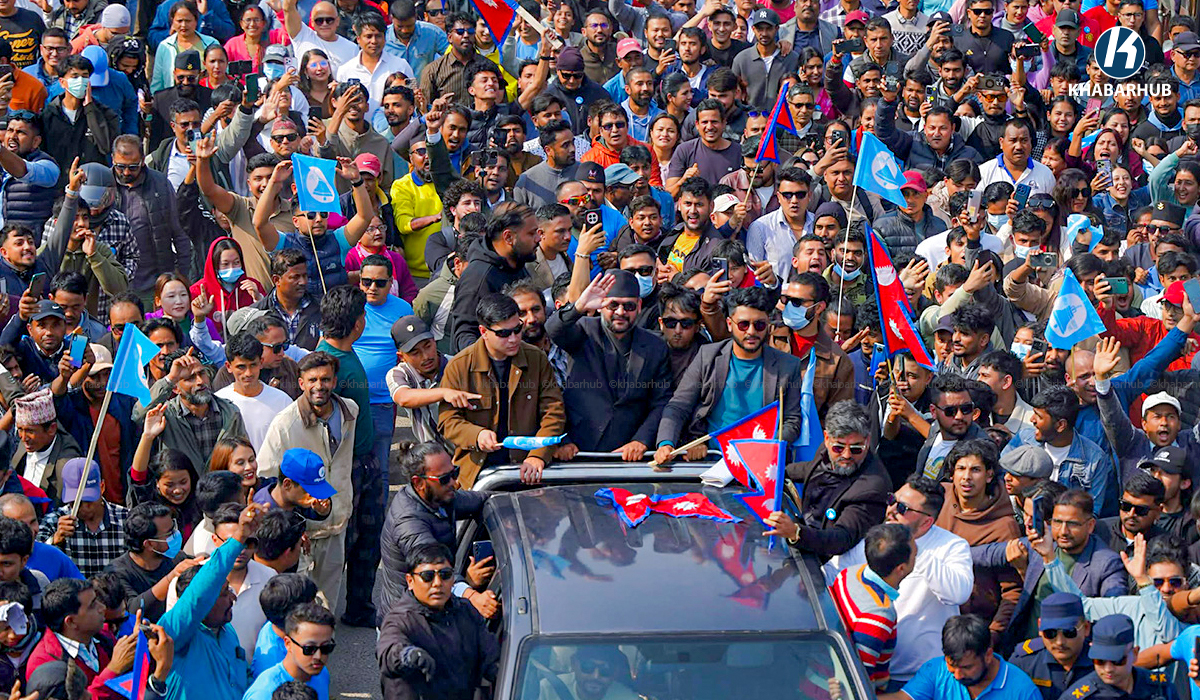
Among them, Balen Shah, who has led the Kathmandu Metropolitan City for nearly three and a half years, has generated significant public attention. During his nationwide visits, he has been greeted by large crowds of supporters.
However, despite his growing popularity, Shah has yet to clearly articulate his vision for national development and governance through a detailed policy document, interview, or formal speech.
Performance questions at the metropolis
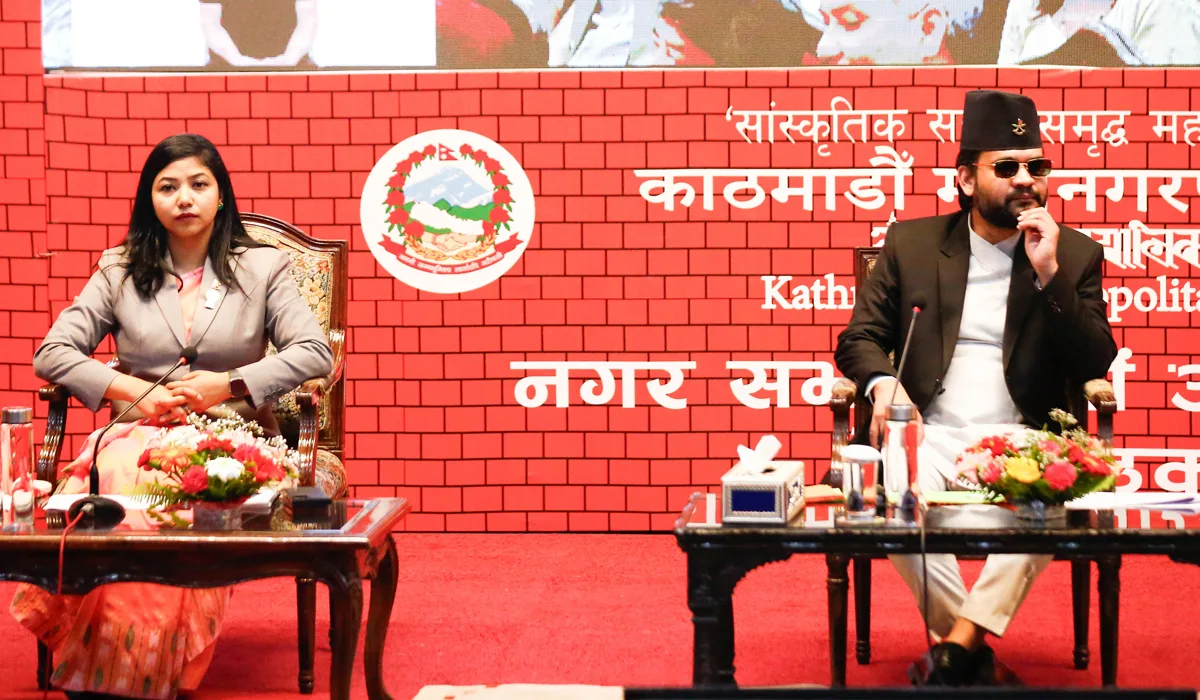
Shah assumed office following the 2022 local elections and has since presented and implemented budgets for three fiscal years. The current fiscal year’s budget remains under implementation.
Kathmandu is one of Nepal’s six metropolitan cities and has the largest population and financial resources among them. It consistently prepares the largest annual budget compared to other metropolitan governments.
Yet, according to the latest performance evaluation report published by the National Natural Resources and Fiscal Commission, Kathmandu ranked the weakest among the six metropolitan cities for the fiscal year 2024/25.
The Commission evaluates all seven provinces and 753 local levels annually based on 17 performance indicators, primarily to determine fiscal equalization grants for the upcoming year.
In its latest report made public on Thursday, Kathmandu Metropolitan City scored zero in seven of the 17 indicators. In contrast, Biratnagar ranked first, followed by Lalitpur and Bharatpur.
The report shows that Kathmandu failed to present its budget to the municipal assembly within the stipulated timeframe in the previous fiscal year. It also did not submit projected income and expenditure details for fiscal year 2026/27 to the Ministry of Finance as required.
Additionally, the metropolis did not fully utilize its allocated budget, recorded irregularities, and failed to formulate a periodic development plan. The Commission further noted weak performance in improving institutional childbirth rates and educational outcomes in community schools within the metropolitan area.
Broader implications
Data from the past three fiscal years indicate that Kathmandu has struggled particularly in governance and in achieving state-mandated performance targets. Notably, the metropolis has not faced a shortage of financial resources. Instead, it has repeatedly been unable to fully spend its allocated budget.
As Shah’s national political ambitions grow, these performance indicators are likely to shape public debate over administrative capacity and governance readiness at the federal level.


Comment