




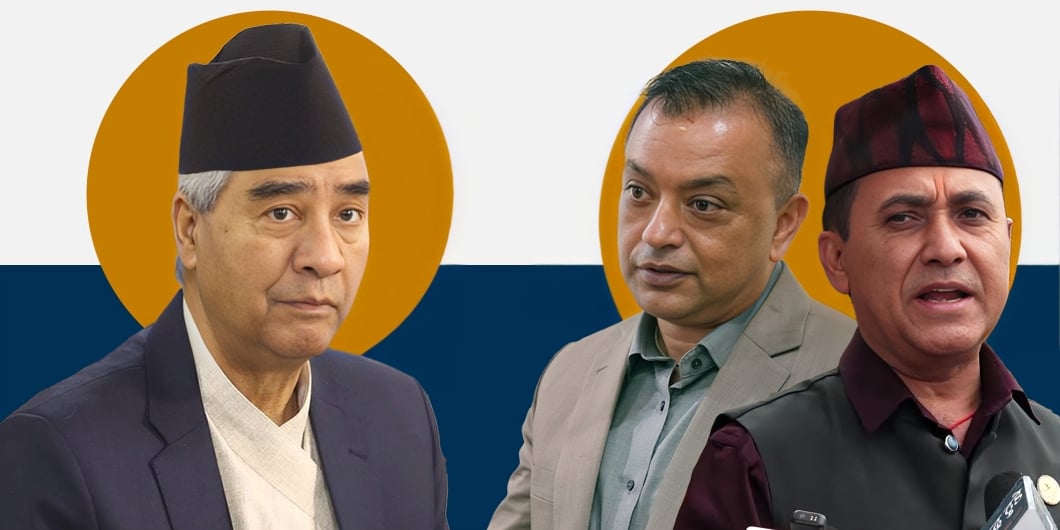
KATHMANDU: With only 29 days remaining until the upcoming elections, the Election Commission has deployed staff across districts, and candidates have already reached out to voters. Yet, the key tool for rallying votes, the party manifesto, remains largely absent.
This has left candidates relying on rhetoric and showmanship, from flashy stunts to populist gestures, rather than presenting clear policy agendas. Voters have neither pushed candidates for accountability nor demanded that they present concrete plans.
A manifesto is supposed to outline the commitments and plans a party will implement if elected. It provides voters a basis for deciding which candidate or party to support. Historically, however, manifestos in Nepal have often been ceremonial, with few actionable plans and little follow-up to ensure promises are fulfilled.
Political parties are now actively drafting their manifestos for the upcoming polls. While voters may not yet fully rely on party agendas to make decisions, there is anticipation over how parties will respond to the expectations raised by the post-Gen-Z movement.
Congress’s past manifesto: promises vs. reality
In the last elections, Nepali Congress, led by Sher Bahadur Deuba, promised online access to all government services, modernization of postal services, and home delivery of documents like passports. Despite repeated promises, these measures were rarely implemented, and citizens still spend hours in line for basic services.
Social security pledges included free reproductive health education for youth, nutrition support for pregnant women, 50% government contribution for self-employed single women and differently-abled citizens, 100 days of guaranteed employment for the underprivileged, and home-based health services for senior citizens. Yet, these largely remained slogans.
Employment creation programs, such as the “Young Skill & Vocation” initiative, aimed to generate 250,000 new jobs annually across industry, tourism, and transport sectors but were minimally realized. Similarly, promises for free healthcare for citizens under three and over 73, irrigation projects in Terai, and major infrastructure projects were largely unfulfilled.
Electricity generation pledges of 10,000 MW were achieved only up to 3,591 MW. School nursing programs, public libraries, telemedicine, and IT parks were announced but rarely implemented. Even with Congress leading key ministries, oversight of these programs remained limited.
Current manifesto drafting under Gagan Thapa
In the 2022 elections, then General Secretaries Gagan Thapa and Bishwa Prakash Sharma were responsible for drafting local and parliamentary manifestos, respectively. Now, with new leadership elected during the special convention, Thapa is leading the manifesto team, and Sharma commands election operations.
According to team member Pratap Paudel, the new manifesto will prioritize the changes demanded by the post-Gen-Z movement and include ten key visions. The document will focus on efficient service delivery, good governance, anti-corruption measures, infrastructure, agriculture, and other key pillars. Suggestions from experts and local communities are being integrated to separate immediate actions from long-term initiatives.
The manifesto will outline realistic, resource-based strategies and specify how policy, legal, and institutional reforms will be implemented. Under the theme “Samunnat Nepal, Sammanit Nepali” (Prosperous Nepal, Respected Nepali), it will prioritize both physical and human development, including education, health, social security, employment, and agriculture.
Past weaknesses will be analyzed to ensure lessons are applied, and programs like “Mission Employment” will be made more structured and actionable. Other focus areas include domestic and foreign employment protection, entrepreneurship, climate adaptation, disaster preparedness, and the green economy. Governance will serve as a core principle, reflecting the Gen-Z movement’s demands.
The party is currently consolidating suggestions from various levels and experts. Discussions will continue for about a week, after which the manifesto will be finalized and publicly released by the central committee.
This new manifesto aims to go beyond slogans, providing a realistic, actionable plan centered on governance, development, and citizen-focused outcomes.




Comment