




KATHMANDU: Maghe Sankranti, one of Nepal’s most revered festivals, is being celebrated across the country today with religious devotion, cultural fervor and social gatherings, marking the end of the harsh winter of Poush and the beginning of the auspicious month of Magh.
Observed every year on Magh 1, the festival signifies the sun’s transition into the northern hemisphere (Uttarayan), a period considered highly sacred in Hindu belief. The day is regarded as especially favorable for spiritual activities such as ritual bathing, prayers, meditation, fasting and charity.
From early morning, large crowds of devotees gathered at major pilgrimage sites including Devghat, Trishuli, Kaligandaki, Bagmati, Indravati, Triveni and Ridi to take holy dips. Special fairs were also organized at many of these locations. According to religious belief, bathing at a sacred river or pilgrimage site on Magh 1 purifies not only the body but also the soul.
There is a widespread belief that offering sesame seeds (til) as charity after a holy bath on this day brings merit equivalent to donating gold. Devotees also donate food grains, clothes, money and other essentials, as charity and selflessness are considered central to the spiritual essence of Maghe Sankranti. The day is therefore also seen as a festival of self-purification, sacrifice and goodwill.
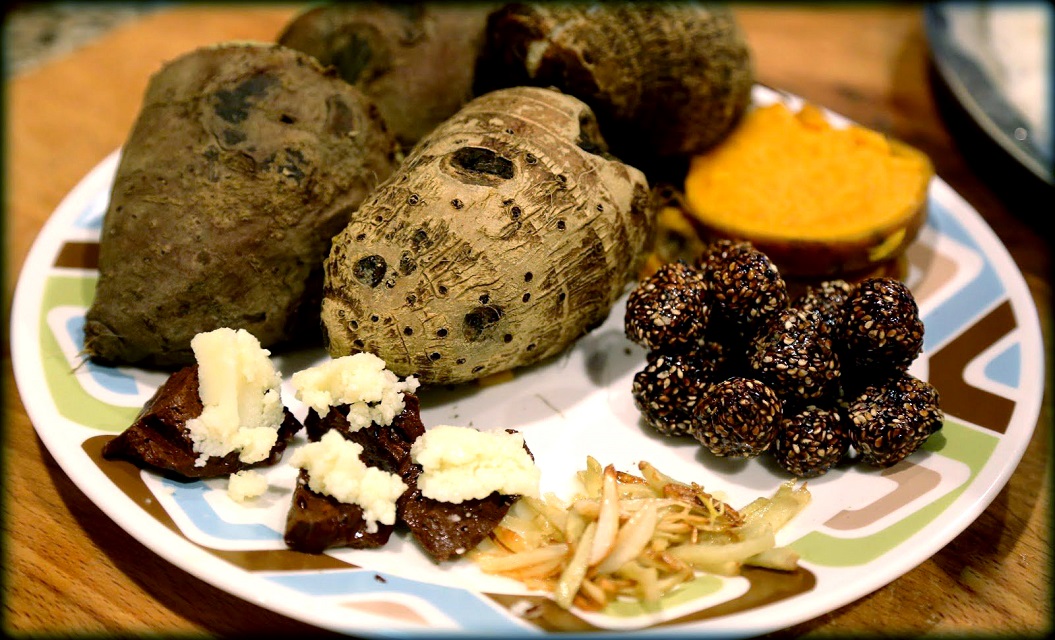
Traditional food is another defining feature of the festival. To help the body stay warm and energized during the cold season, families prepare and consume special dishes such as til, chaku, ghee, tarul (yam), sweet potato, bhyakur and khichadi. Sesame and chaku are believed to generate warmth in the body and protect against cold-related ailments, making them an essential part of Maghe Sankranti celebrations.
Culturally, Maghe Sankranti is observed in diverse ways by different communities across Nepal. Among the Tharu community, the festival is celebrated as Maghi, which marks the New Year. On this occasion, families and villages organize special gatherings, and it is also a time for making important household decisions, settling debts, renewing labor agreements and beginning new work. This practice has given the festival a strong social and administrative significance within Tharu society.
For the Magar community, Maghe Sankranti is closely associated with the traditional game of archery. The festival is celebrated over several days with rituals dedicated to ancestors and family members. Wild yam is an essential part of Magar celebrations, and families traditionally collect it from the forest before the festival and prepare it on the eve of Sankranti. During the celebrations, men shoot arrows at a target marked on a wooden board, and those who hit the mark are honored, adding excitement and festivity to the occasion.
Another widespread belief associated with the day is the use of sesame oil for body massage. It is believed that massaging the body with sesame oil on Magh 1 helps remove impurities and strengthens nerves, muscles and bones. This belief is also rooted in Ayurvedic tradition, which considers sesame oil beneficial for overall health, especially during winter.
More than just a marker of seasonal change, Maghe Sankranti is deeply connected with spiritual purification, health, social harmony and cultural identity. The festival brings people closer to nature, strengthens family and community bonds, and inspires a renewed sense of energy and purpose.
For generations, Maghe Sankranti has held a special place in Nepali society, and its cultural and spiritual significance is expected to continue growing in the years to come.





Comment