




WASHINGTON DC: The United States carried out air strikes targeting Islamic State-linked bases in northwestern Nigeria on Christmas Day, triggering debate over Nigeria’s sovereignty, the choice of targets and Washington’s broader security strategy in West Africa.
While both governments say the operation was coordinated, several questions remain unanswered. Here is what is known so far.
Who was involved?
US President Donald Trump first announced the strikes, sparking initial concern in Nigeria that the country may have been attacked without consent.
Subsequently, both Washington and Abuja confirmed that the operation had been carried out with the approval of Nigerian President Bola Ahmed Tinubu. Nigeria’s Information Minister Mohammed Idris said the strikes were conducted with the “full involvement of the Armed Forces of Nigeria”.
The Nigerian military was involved at some level, though the exact nature of its operational role has not been made public.
Which group was targeted?
The US said the strikes targeted militants linked to the Islamic State group. US Africa Command (AFRICOM) confirmed there were multiple casualties but did not disclose precise targets or casualty figures.
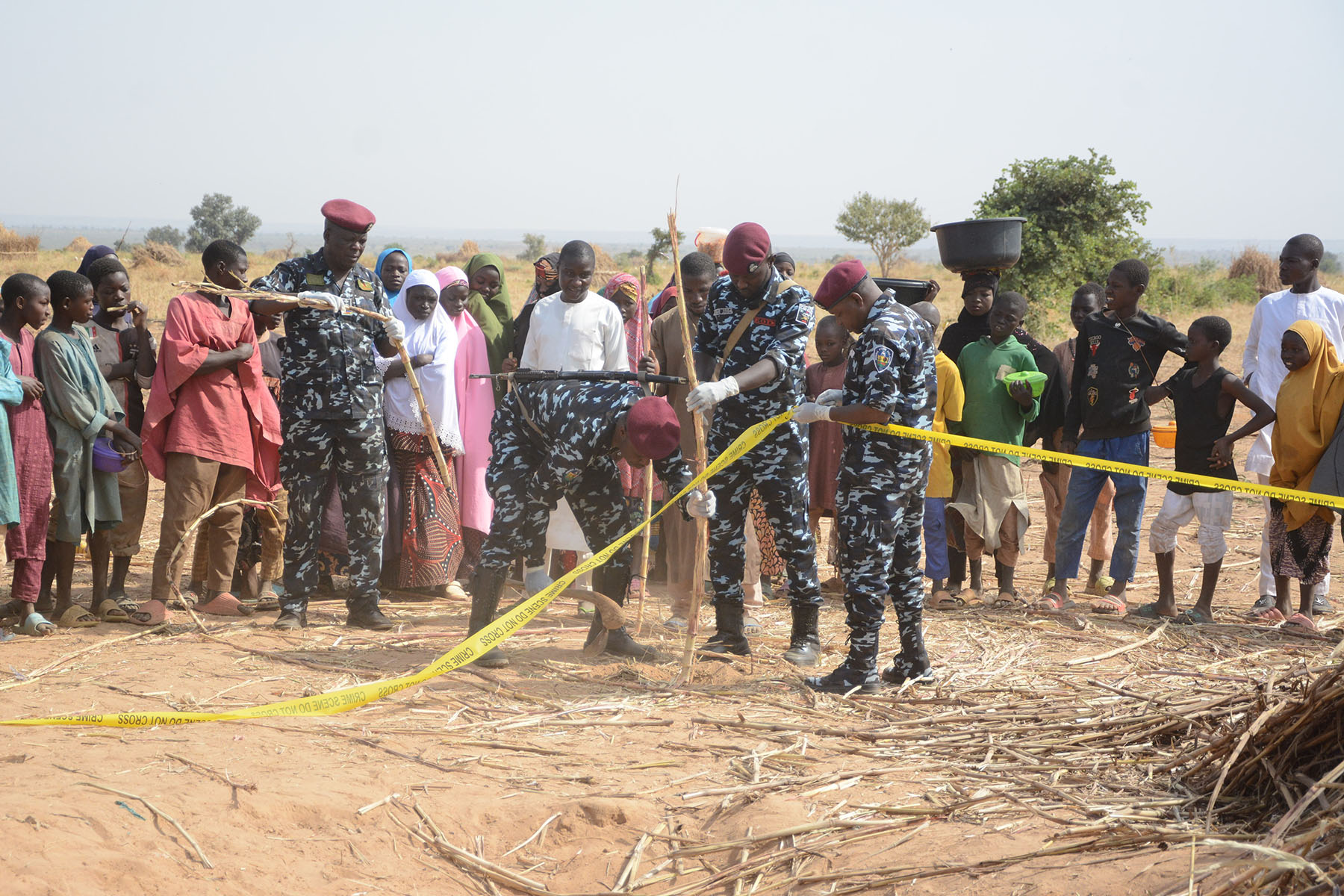
Nigerian authorities said the strikes hit two major Islamic State terrorist enclaves in the Bauni forest in Tangaza Local Government Area of Sokoto State.
However, security analysts have questioned the decision to strike northwestern Sokoto, where armed criminal gangs known as “bandits” are considered a bigger threat than jihadist groups.
Nigeria’s Foreign Minister said several groups operate in the region, including JNIM, ISWAP, Lakurawa and Mahmuda.
Analyst Victoria Ekhomu, head of the Association of Industrial Security & Safety Operators of Nigeria, said the more obvious targets would have been in northeastern Borno State, the epicentre of Nigeria’s long-running jihadist insurgency.
US and Nigerian officials have nevertheless indicated that further strikes may follow.
How were the strikes conducted?
According to Nigerian authorities, the US used guided missiles fired from Reaper drones operating from maritime platforms in the Gulf of Guinea.
Some debris from the munitions reportedly fell in Jabo village of Tambuwal Local Government Area in Sokoto State, as well as in neighbouring Kwara State near a hotel.
The Nigerian government said no civilians were injured.
What is known about the Islamic State in Nigeria?
Nigeria has been fighting a jihadist insurgency since 2009, primarily led by Boko Haram and its rival offshoot, Islamic State West Africa Province (ISWAP), in the northeast.
In recent years, several armed groups linked to or inspired by jihadist movements have emerged in the northwest.
Researchers have linked a group known as Lakurawa — active in Sokoto State — to the Islamic State Sahel Province (ISSP), which mainly operates in Niger and Mali, though this remains contested.
There are also growing fears that the Al-Qaeda-linked Group for the Support of Islam and Muslims (JNIM) could expand into Nigeria, following an attack it claimed along the Nigeria–Benin border in October.
Why does the timing matter?
The strikes came amid strained rhetoric from President Trump, who in October accused Nigeria of allowing a “genocide” of Christians — claims rejected by Nigeria’s government and independent analysts, who note that both Muslim and Christian civilians have been victims of the country’s conflicts.
Following weeks of intelligence gathering, including US reconnaissance flights tracked by open-source analysts, the decision to strike on Christmas Day has raised political and symbolic questions.
“The fact that it was Christmas suggests Trump has his own agenda and is focused on Christians,” said analyst Victoria Ekhomu.
Security analyst Brant Philip said the strikes appeared to mark “a symbolic start to official US operations in Nigeria”, adding that while the immediate impact may be limited, further actions are expected.

Comment