




KATHMANDU: The human body needs to produce many internal hormones to function properly. To work efficiently and recover from illness, the body also requires an adequate intake of protein.
During pregnancy, women need more protein than usual. A lack of protein can lead to health complications for both the mother and the child. In our culture, several traditions are followed to ensure that pregnant women receive a balanced diet.
It is customary to feed pregnant women yogurt, prepare foods of their choice, and invite relatives and neighbors to share nutritious meals. In some places, there is a saying that pregnant women should eat a diet implying food for two people.
Along with other micronutrients, protein plays a vital role in maintaining good health. Eggs and paneer are rich sources of protein and also contain essential nutrients such as calcium, vitamin B-12, and iron.
Vegetarians can meet their protein needs through lentils, legumes, and paneer, while non-vegetarians have a wider range of options. One boiled egg (about 44 grams) contains approximately 5.5 grams of protein and 24.6 milligrams of calcium. Paneer provides around 7 grams of protein and 190.4 milligrams of calcium per serving.
Both eggs and paneer contain vitamin B-12, iron, calcium, and several other vitamins. They help build a healthy body and can also support weight management.
Sources of protein
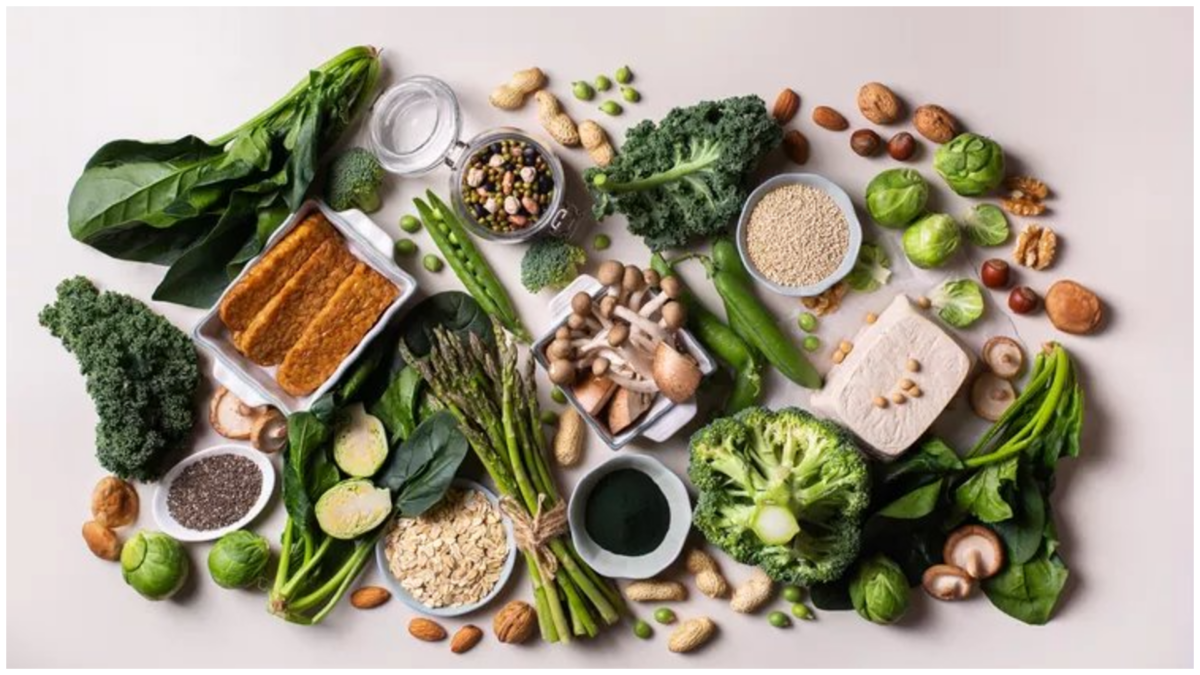
Non-vegetarian sources of protein include fish, meat, and eggs. Vegetarian sources include soybeans, lentils, beans, wheat, milk, pumpkin seeds, sesame seeds, and other plant-based foods.
Fruits also contain small amounts of protein. For instance, betel leaves contain around 7.1 grams of protein per 100 grams, chickpeas contain about 2.5 grams, and ripe bananas contain about 1.2 grams.
However, some people mistakenly believe that protein can only be obtained from expensive meat or commercially marketed protein supplements. In reality, many foods commonly found at home are excellent sources of protein.
For example, beans are a rich source of both protein and fiber and are often referred to by nutritionists as “protein powerhouses.” Both dried and green beans contain protein along with vitamins A, C, K, and B-6. One cup of boiled beans provides about 7 grams of protein.
Sprouted legumes such as chickpeas, mung beans, and lentils are especially high in protein. One cup of sprouted legumes contains about 13 to 16 grams of protein and is low in calories. These can be consumed in salads, soups, khichdi, mixed with rice, or ground and eaten with roti.
In addition to protein, such foods provide sufficient fiber, iron, calcium, and other essential nutrients. When children are given homemade foods such as lito, halwa, jaggery, eggs, and lentils instead of processed foods, their bodies can easily obtain the protein and nutrients needed for healthy growth.
Lentils contain not only protein but also micronutrients and fiber. When combined with rice and vegetables, the minerals are better absorbed by the body, and the fiber helps regulate blood sugar levels. Numerous studies have proven that lentils and legumes are excellent sources of protein, yet many people still underestimate their nutritional value.
Using a variety of pulses makes it easier for vegetarians to meet their protein requirements. Nutritionists have repeatedly emphasized this, and pulses are widely used in diverse ways across Asian diets.
Many young people consume imported protein supplements to build muscle. However, athletes at national and international levels should follow the advice of doctors and nutritionists regarding their protein and nutrient intake.
Vegetarians need not worry about protein deficiency if they consume a variety of grains, legumes, and plant-based foods. Foreign protein supplements are not necessary for maintaining good health. People with diabetes, kidney disease, or heart problems should consult a healthcare professional about appropriate protein intake.
Gram flour (besan), which is easily available, is an excellent protein-rich food that can be prepared at home. It is suitable for people of all ages, from children to the elderly.
Roasted chickpeas can be ground into flour and mixed with water, lemon, cumin, and milk to make a nutritious and tasty drink. For those who prefer other preparations, chickpeas can be added to vegetables and lentils. Chickpeas and barley are now readily available in the market.
Almonds are also a good source of protein. They can be roasted and eaten with rice or soaked, sprouted, ground, and added to puddings. These foods are suitable for all age groups. However, individuals with almond allergies should avoid consuming them.
Protein can be obtained by preparing halwa and roti from millet flour. Mixing millet flour with wheat flour and buckwheat (phapar) makes these foods even more nutritious. Halwa prepared in this way can also be fed to infants.
For those who are allergic to milk or have difficulty digesting it, different types of sattu can be mixed with yogurt. When prepared this way, adding small amounts of cinnamon, nutmeg, or pepper powder enhances both taste and nutritional value, while providing protein and other essential micronutrients.
Nowadays, expensive quinoa imported from abroad is often promoted in urban areas as a superior grain. However, locally available chino—a traditional grain found in the Karnali region—offers similar nutritional benefits, making the purchase of imported quinoa unnecessary.
How much protein is found in different foods?
Grains such as millet, wheat, barley, and buckwheat contain significant amounts of protein. For example, per 100 grams, millet contains about 15 grams of protein, buckwheat about 10 grams, and beaten rice (chiura) about 6.6 grams.
Legumes such as chickpeas, lentils, mung beans, beans, and peas provide approximately 20–25 grams of protein per 100 grams. Soybeans are especially rich, containing about 43 grams of protein per 100 grams.
Fruits also contain small amounts of protein. For instance, betel leaves contain around 7.1 grams of protein per 100 grams, chickpeas contain about 2.5 grams, and ripe bananas contain about 1.2 grams.
(Source: Dr. Upreti’s Facebook)






Comment