




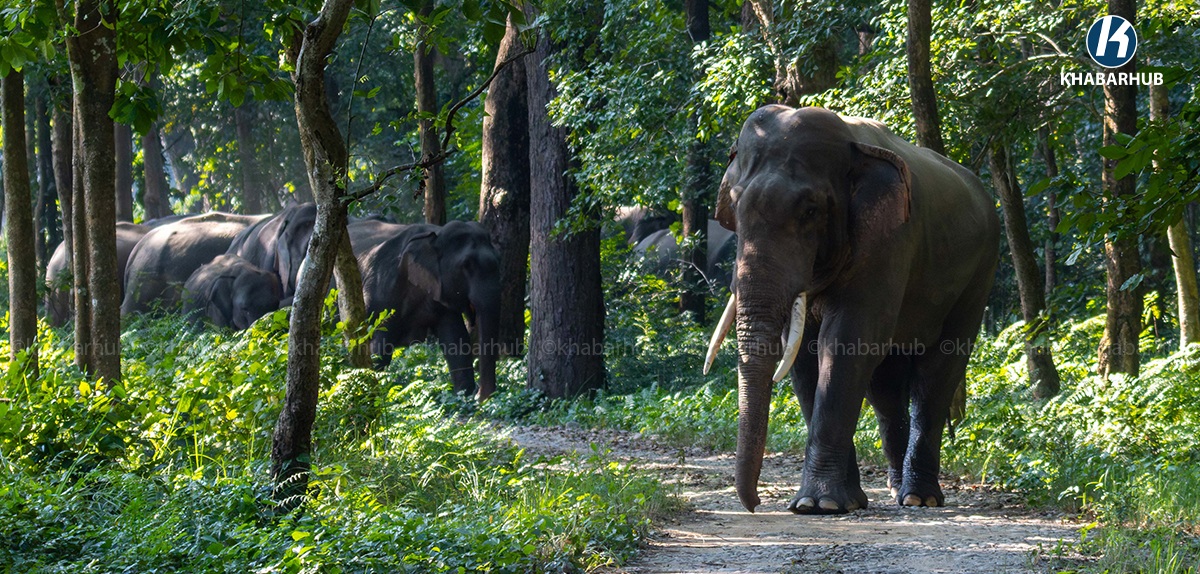
KATHMANDU: The open border between Nepal and India is not only used by people of both countries but also serves as a crucial corridor for wildlife migrating between protected areas on either side.
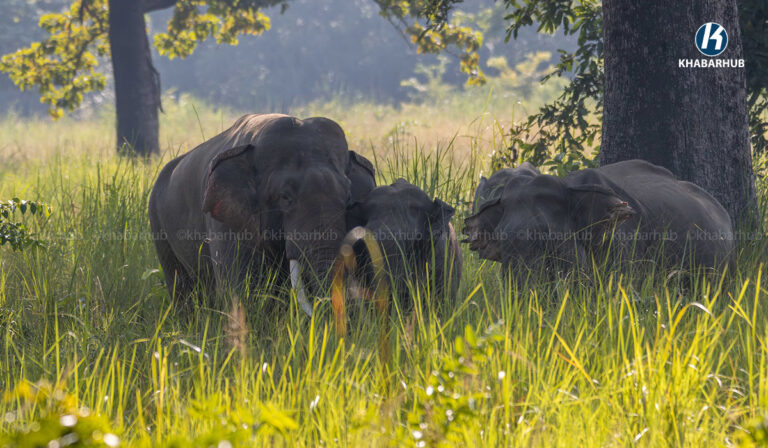
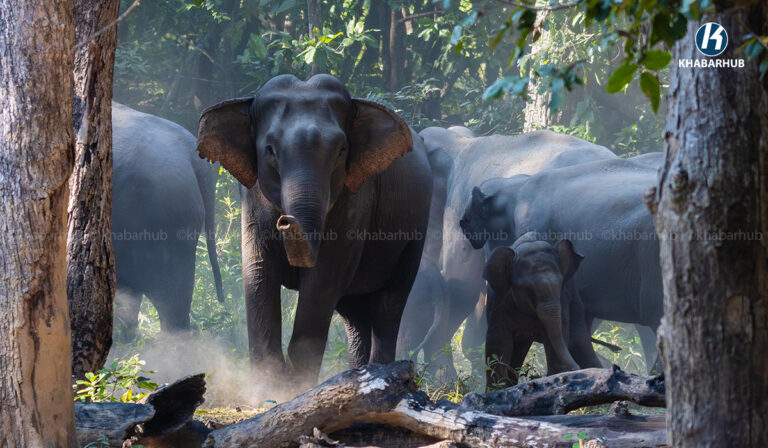
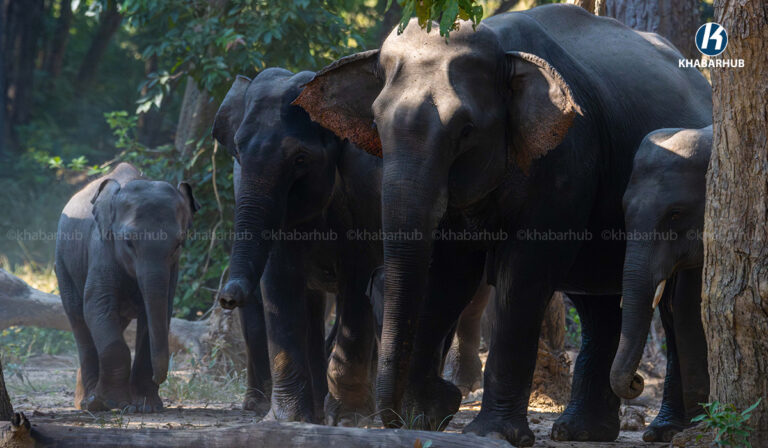
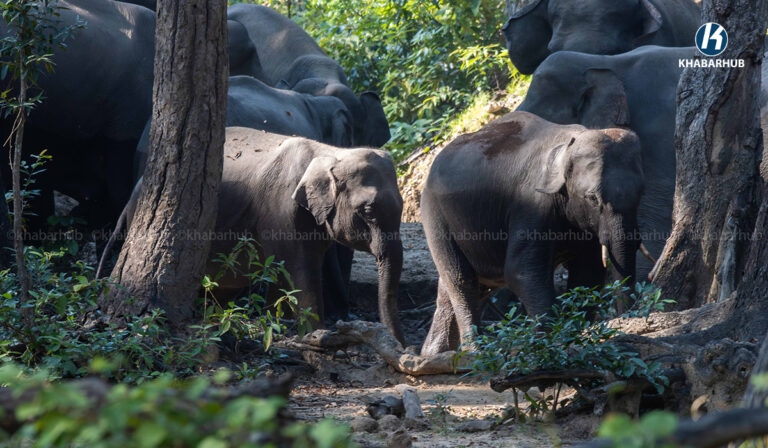
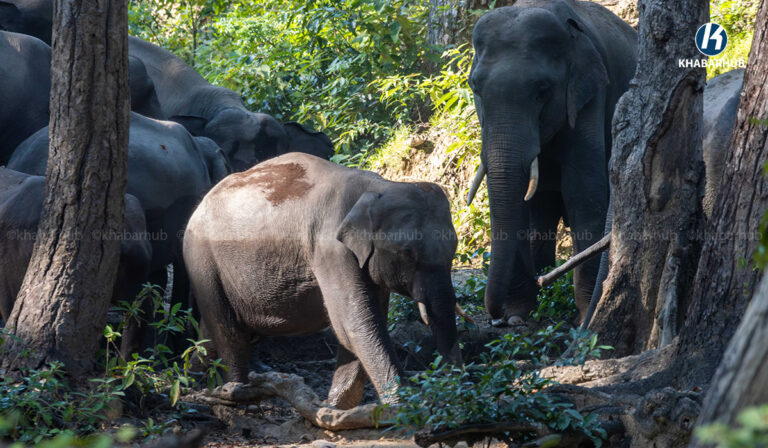
The forests of Nepal’s Tarai are directly connected to India’s jungle belts, enabling frequent movement of wild animals, including elephants. One of the most important routes lies between Bardiya National Park in western Nepal and the Katarniaghat Wildlife Sanctuary in Uttar Pradesh, India, an established traditional migration path for wild elephants for decades.
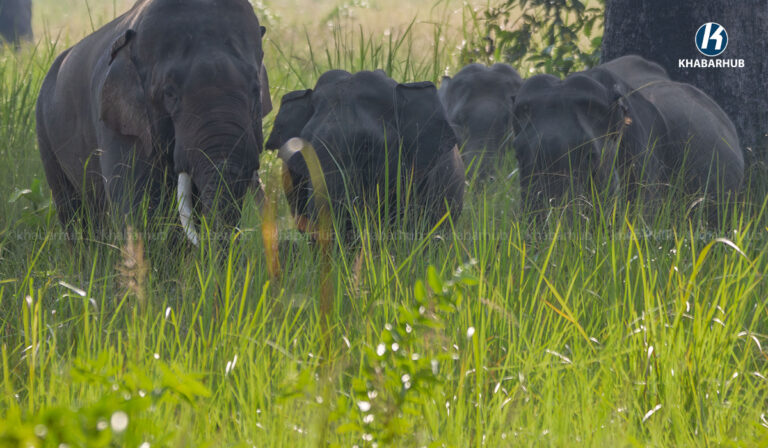
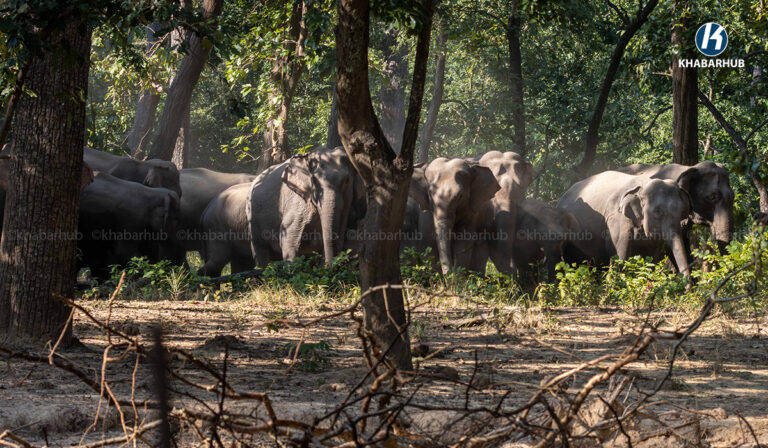
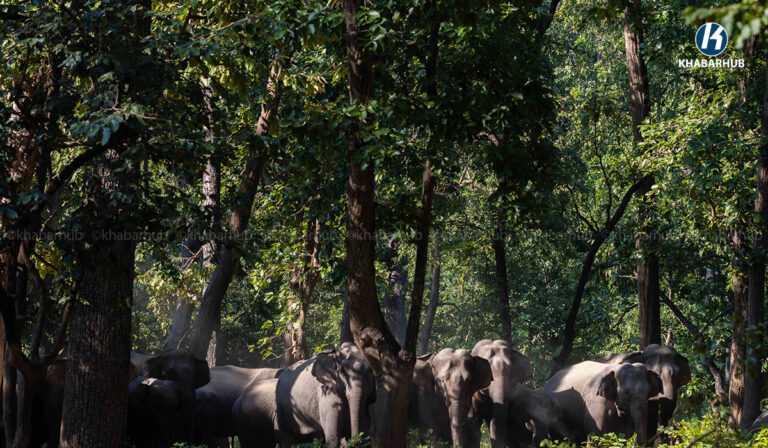
Every year, several herds move back and forth between the two countries in search of food and to escape heavy rainfall. However, conservationists warn that the traditional route has increasingly been obstructed by human-made structures, settlements, agricultural expansion, and fencing, escalating conflict between elephants and local communities.
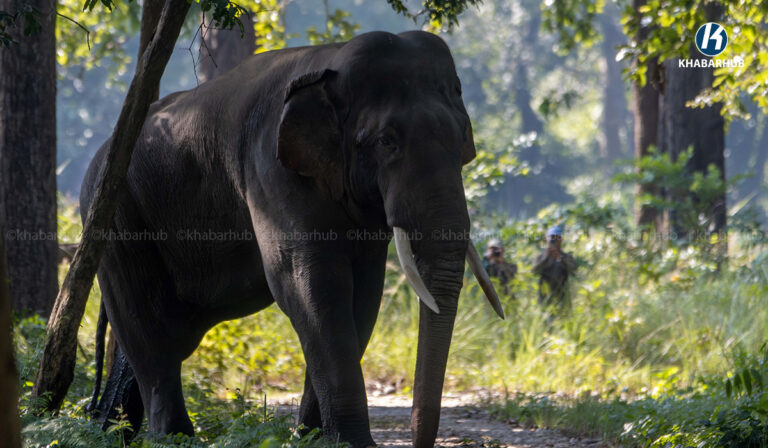
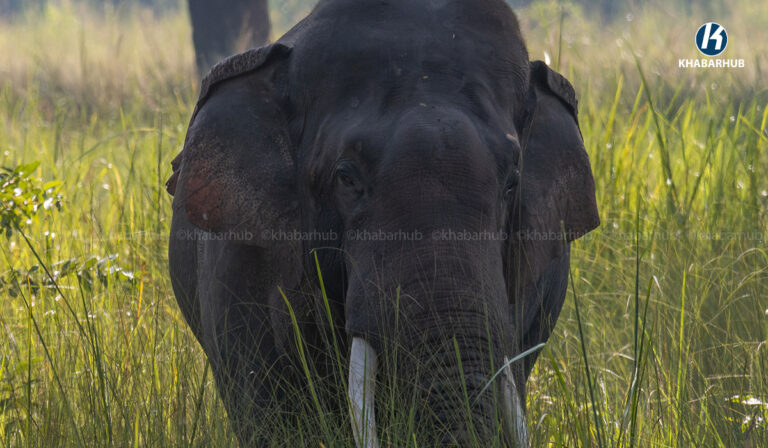
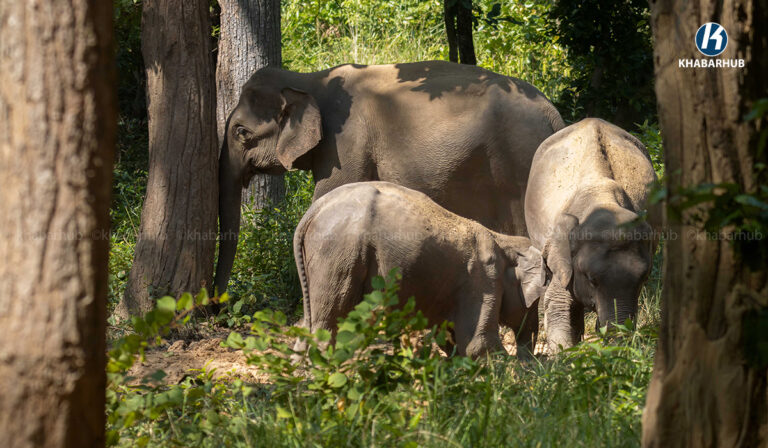
Experts say that expanding infrastructure on elephant corridors has intensified encounters, often resulting in loss of lives and property. Elephants typically travel in groups led by a female, with a large male acting as the protector. Their movement is strongly guided by memory—routes used during childhood are followed throughout their lifetime, along with their knowledge of food and mineral sources.
Conservationists argue that allowing elephants to use their traditional routes without disturbance could significantly reduce human–wildlife conflict. However, roads, irrigation canals, farmlands, and other infrastructure continue to cut across these paths, creating barriers and increasing risk.
They say that Nepal’s infrastructure is largely not wildlife-friendly, which remains a major challenge in mitigating conflict between humans and wild elephants.
Photos: Nepal Photo Library






Comment