




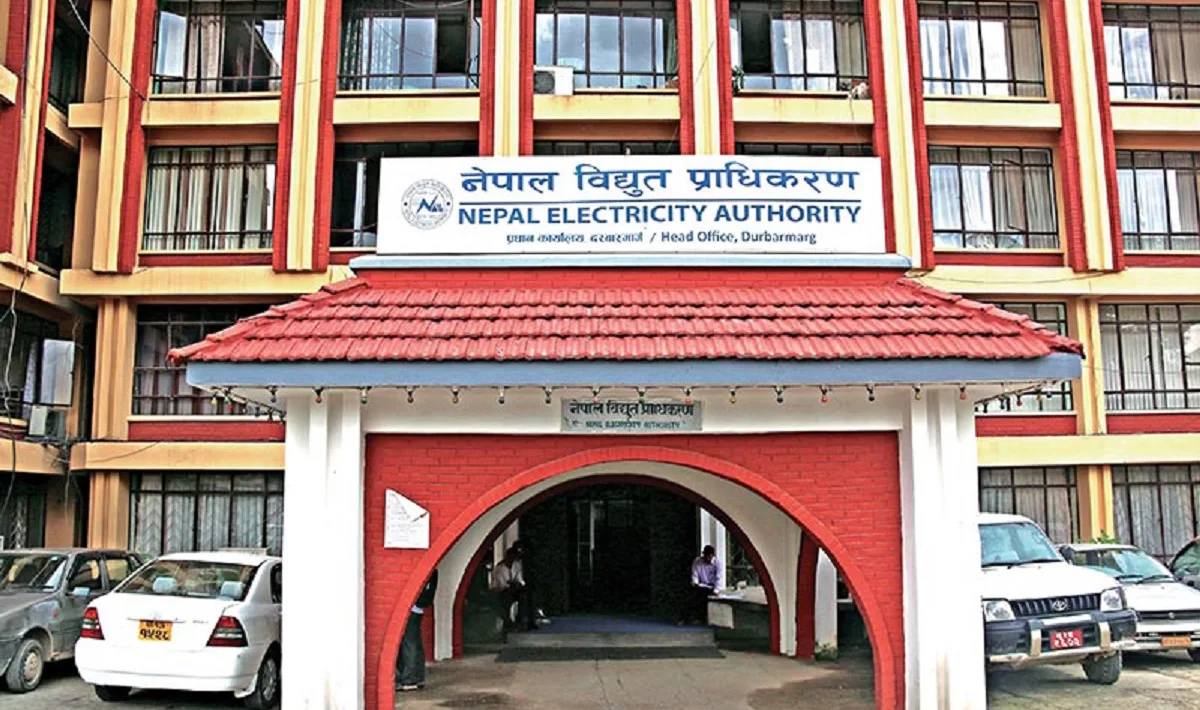
KATHMANDU: A total of 35 industries that consumed electricity through dedicated and trunk line connections during load-shedding have started clearing their premium electricity arrears, with 25 new industries paying the first installment and 10 industries continuing previous partial payments, according to the Secretariat of Energy, Water Resources and Irrigation Minister Kulman Ghising.
The Nepal Electricity Authority (NEA) has so far collected Rs 238.7 million from these 35 industries. The total arrears from all 35 industries amounted to Rs 5.94 billion, leaving Rs 5.7 billion yet to be recovered. These arrears pertain to premium electricity consumption through dedicated and trunk lines between January 2016 and April 2018.
Minister Ghising, who previously also served as the Minister for Physical Infrastructure, Transport, and Urban Development, thanked the industries for fulfilling their obligations to the state.
He stated, “Industries have the right to approach the Electricity Regulatory Commission or courts, but once they begin paying in installments, we are confident they will honor the agreement.”
The NEA had issued a 21-day public notice in September for arrears payment. When some industries failed to comply within the deadline, power lines were cut in two phases on October 21 and 24.

Comment