




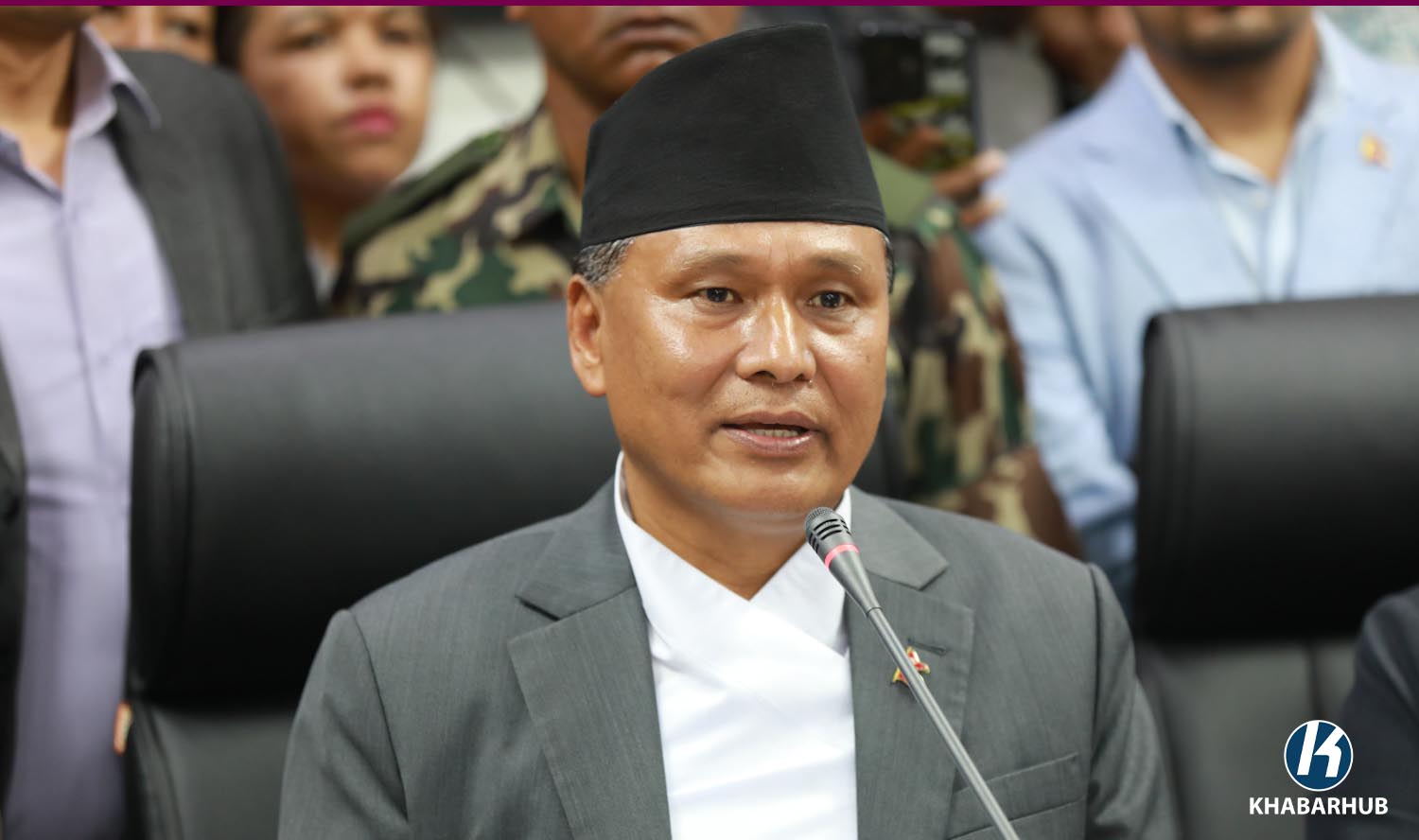
KATHMANDU: Energy Minister Kulman Ghising has come under controversy after the decision to cut electricity lines for 30 industries using dedicated and trunk lines due to non-payment of outstanding dues.
While some have supported the minister’s action, several industrialists and groups have expressed dissatisfaction and criticized the decision.
Amid the controversy, Minister Ghising released a detailed clarification on social media Saturday, stating that his decision was made according to the law and to uphold the institution’s reputation.
He said that during load-shedding, large industries receive uninterrupted power through dedicated and trunk lines and are expected to pay a premium fee. “However, they have not paid this premium fee to date,” he wrote.
Ghising also recalled that the Nepal Electricity Authority (NEA) had made four previous attempts to recover the dues, each time facing political obstacles. “On March 24, I, as Managing Director, sent a letter to the Regulatory Commission to recover the dues, but I was removed from my post the same day. My honest effort to recover arrears cost me my position,” he said.
The minister warned that emotional pressure through media, social networks, and workers by some industries and their supporters could set a dangerous precedent. “If non-payment of dues becomes common, it will create a wrong example and encourage tax evasion,” he noted.
Ghising urged industrialists to use the installment facilities provided by the authority to pay their outstanding dues. “Anyone who feels unfairly treated has the right to seek justice through legal channels,” he added.
“This is not about personal ego. It is about law enforcement, institutional reputation, and the integrity of the country. I will not step back from my responsibility.”


Comment