





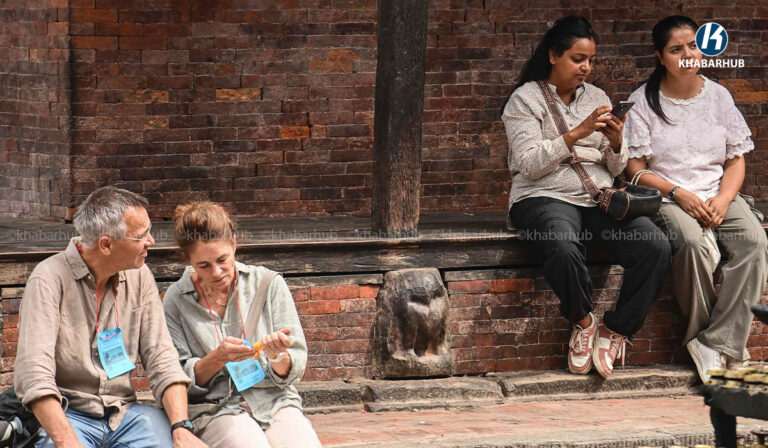
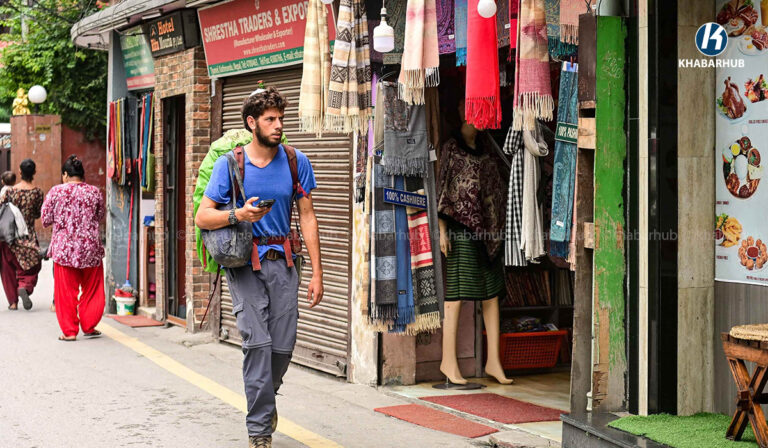
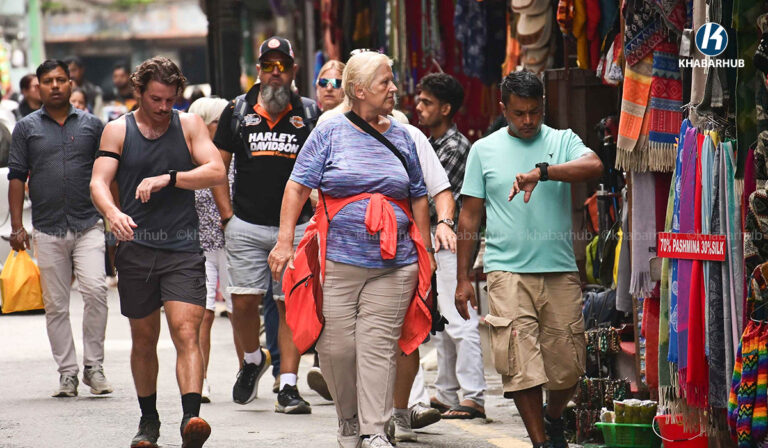
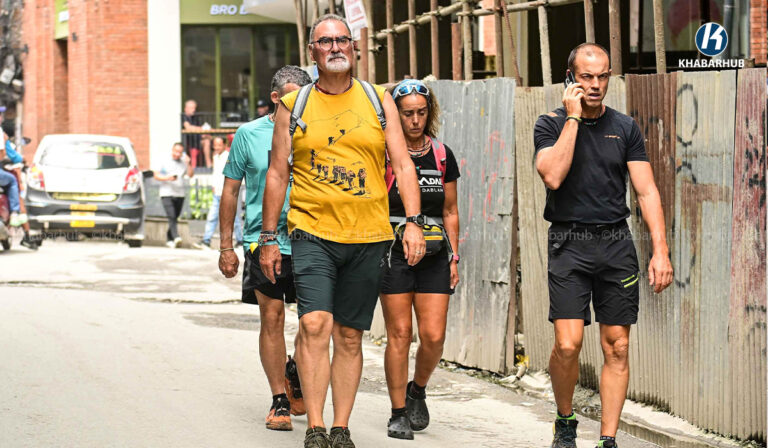
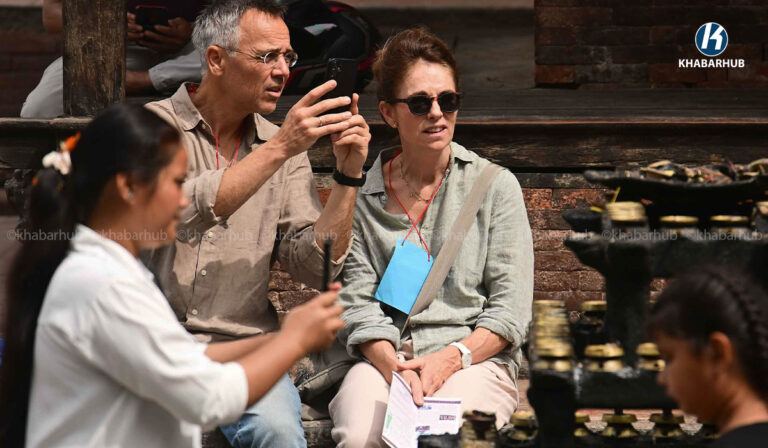
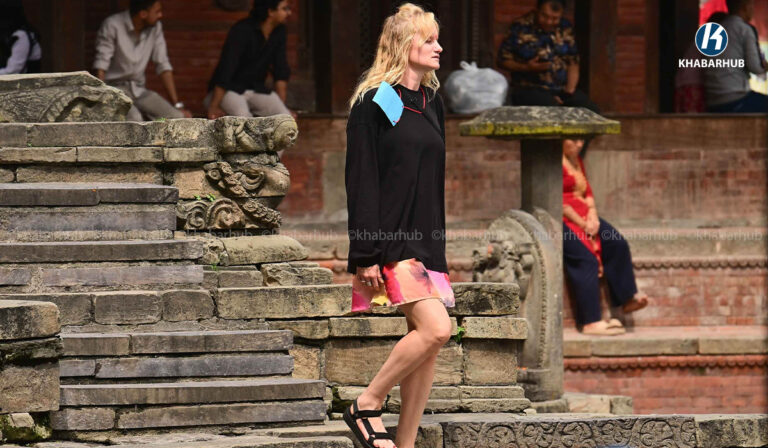
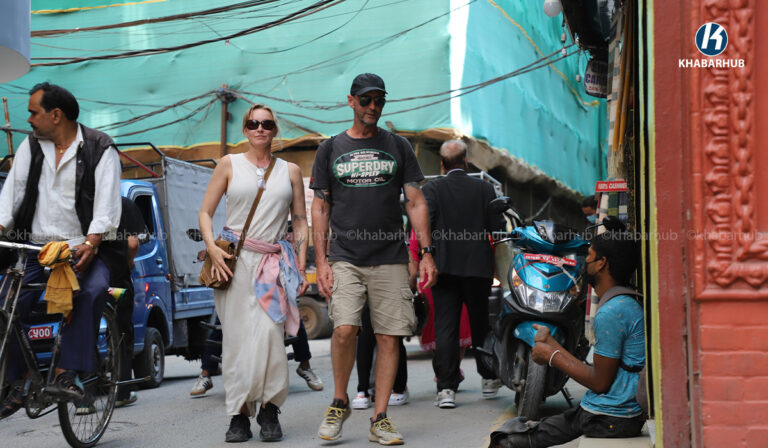
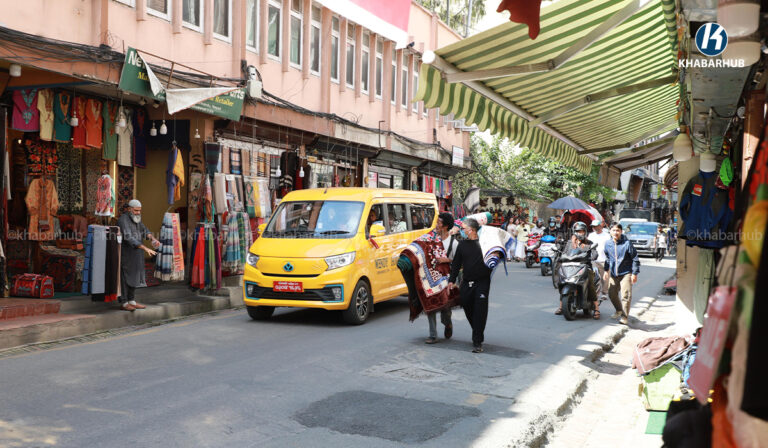
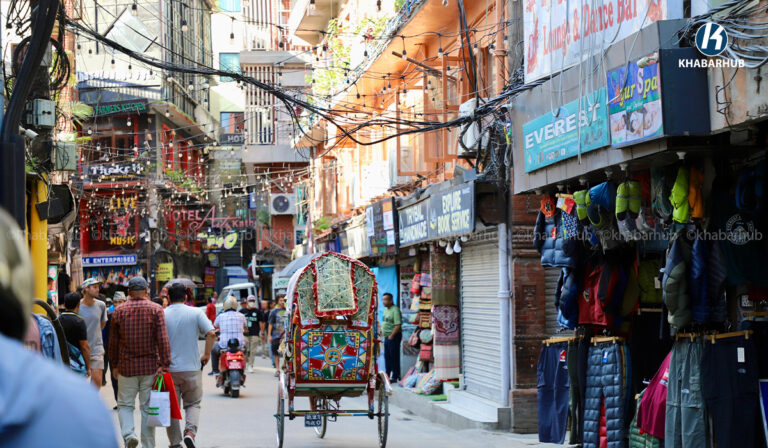
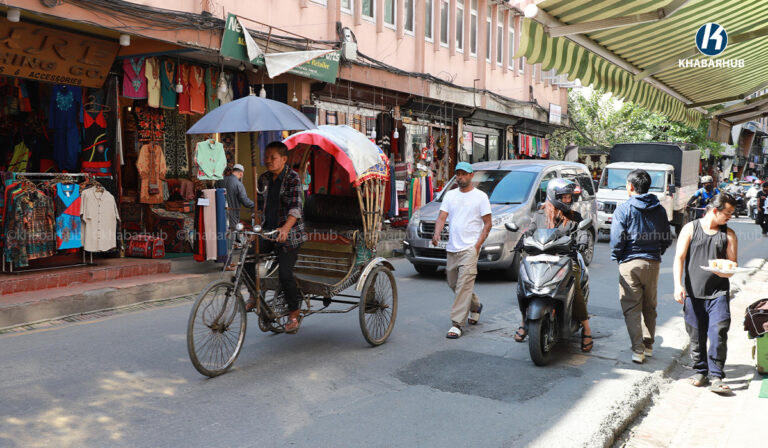
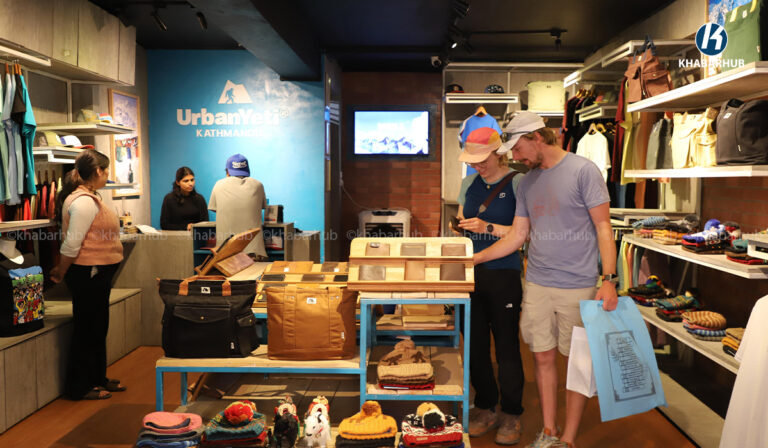
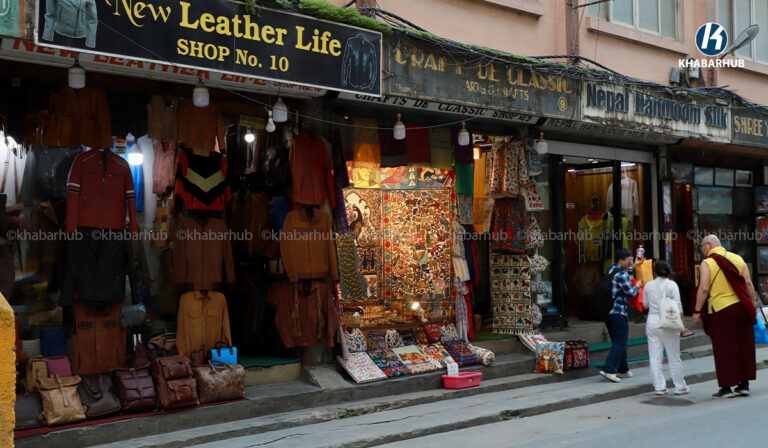
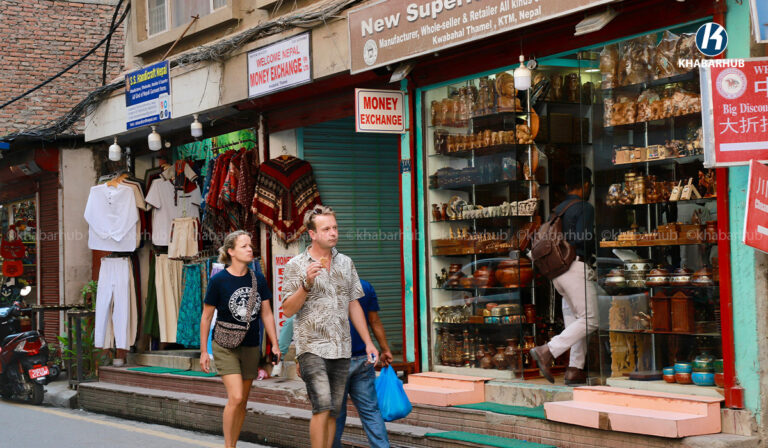
KATHMANDU: Thamel, Kathmandu’s tourist hub, is usually packed with foreigners during this time of year.
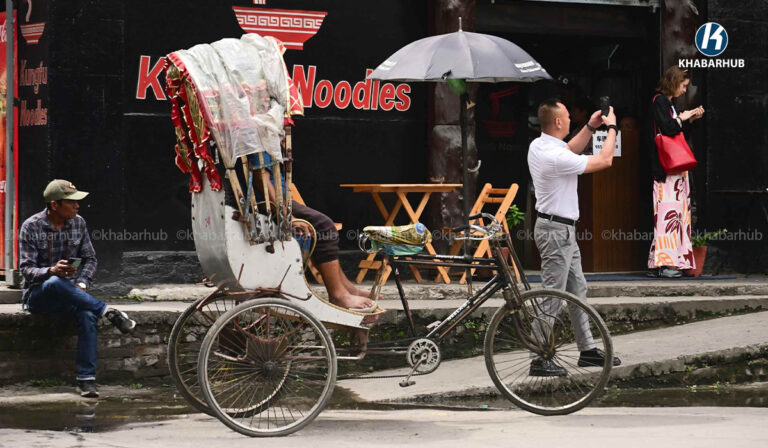
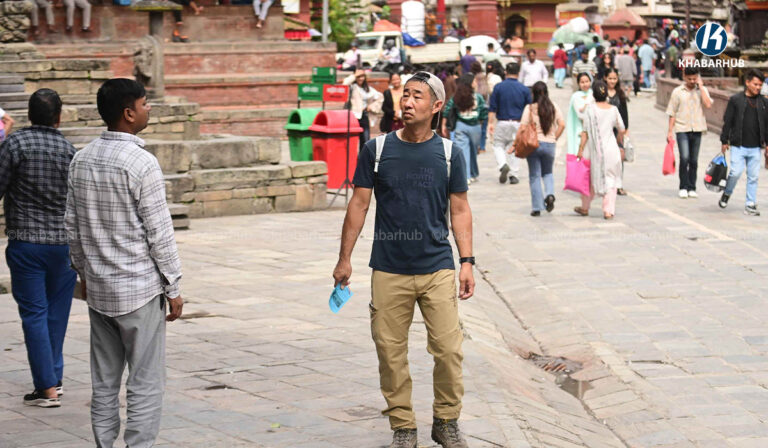
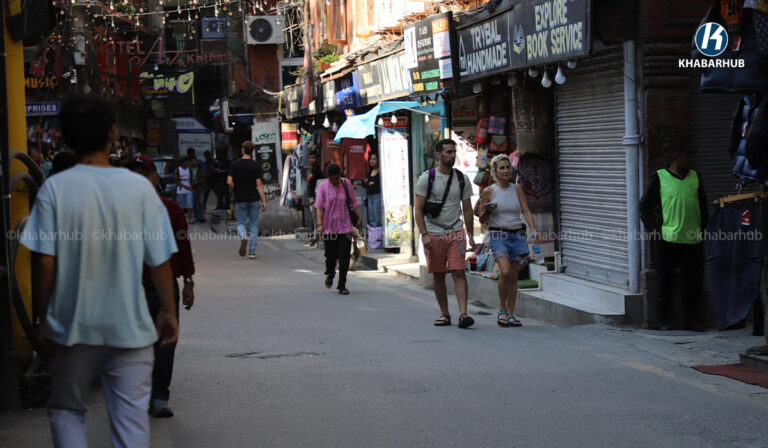
The autumn months of October and November are considered the golden season for tourism, when hotels, travel agencies, souvenir shops, and transport operators expect brisk business. But this year, even on World Tourism Day, the heart of Kathmandu’s tourism district looked quieter than usual.
For Madan Adhikari, 45, who has been running a travel agency for 26 years, the downturn is stark.
“Bookings in 2025 had been good, but after the Gen Z protests, we’ve seen a 25 percent decline,” he said. “European tourists still come in bigger numbers, followed by Chinese and Indian visitors. But political instability and security issues have made a real impact.”
According to him, trekking routes in Manaslu, Everest, and Langtang remain popular, while the Annapurna Base Camp has lost appeal due to road expansion. “Indians prefer religious sites, Chinese are drawn to Lumbini, Chitwan, and Pokhara, while Europeans enjoy both culture and nature,” he said.
Yet challenges are mounting. High airfare, incomplete infrastructure, and safety concerns dominate the list. Adhikari also blamed weak promotion. “I haven’t seen Nepal Tourism Board promoting the country as a whole. It looks like they just support companies close to them,” he said.
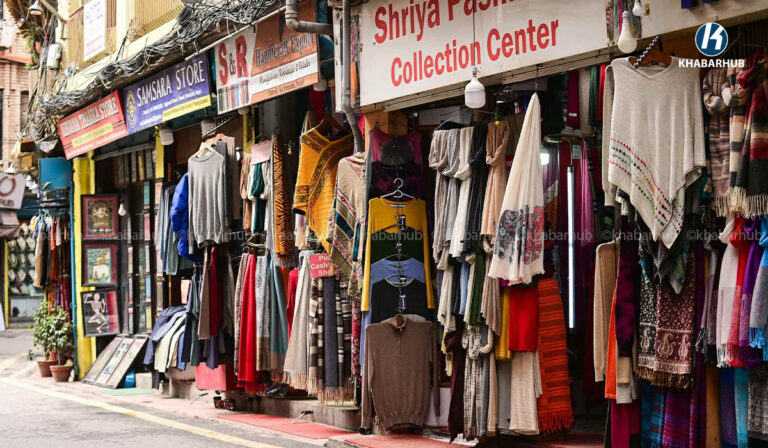
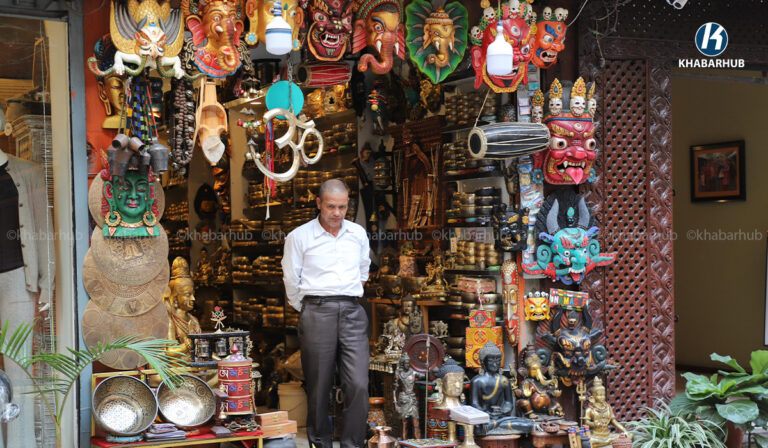
Local shopkeepers share similar frustrations. Baikuntha Pandey, 65, has run a handicraft and souvenir shop in Thamel for over four decades. He said a 45-member group canceled their bookings due to the protests, dealing a heavy blow.
“In 46 years, I’ve never seen such a situation. This season, I should be making Rs 5,000 a day, but now it’s only Rs 400 to Rs 800,” he lamented.
European tourists remain the biggest market, but recent reports portraying Nepal as “unsafe” have led to a visible drop in arrivals.
A clothing shop owner who has been in business for the last three years said competition is fierce and customers spend less than before. “Foreign tourists bargain more than locals. They still like Nepal, but business isn’t what it used to be,” he said.
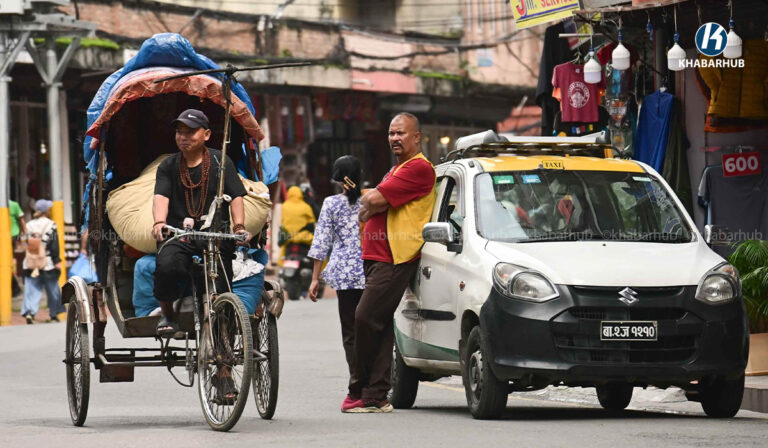
Beyond economics, safety is another concern. Residents say they feel unsafe walking in Thamel at night. From aggressive touts and beggars to scams, drug-related incidents, and even cases of spiked drinks followed by robbery, the risks are real, though rarely reported.
“I’m afraid to walk outside after 9 p.m. If I feel unsafe, imagine how tourists must feel,” said a local resident.
As the peak tourist season begins, businesses in Thamel are calling on the government to address pressing issues of safety, infrastructure, and promotion. Without stronger intervention, many fear Nepal’s reputation as a safe and welcoming destination could suffer long-term damage.


Comment