




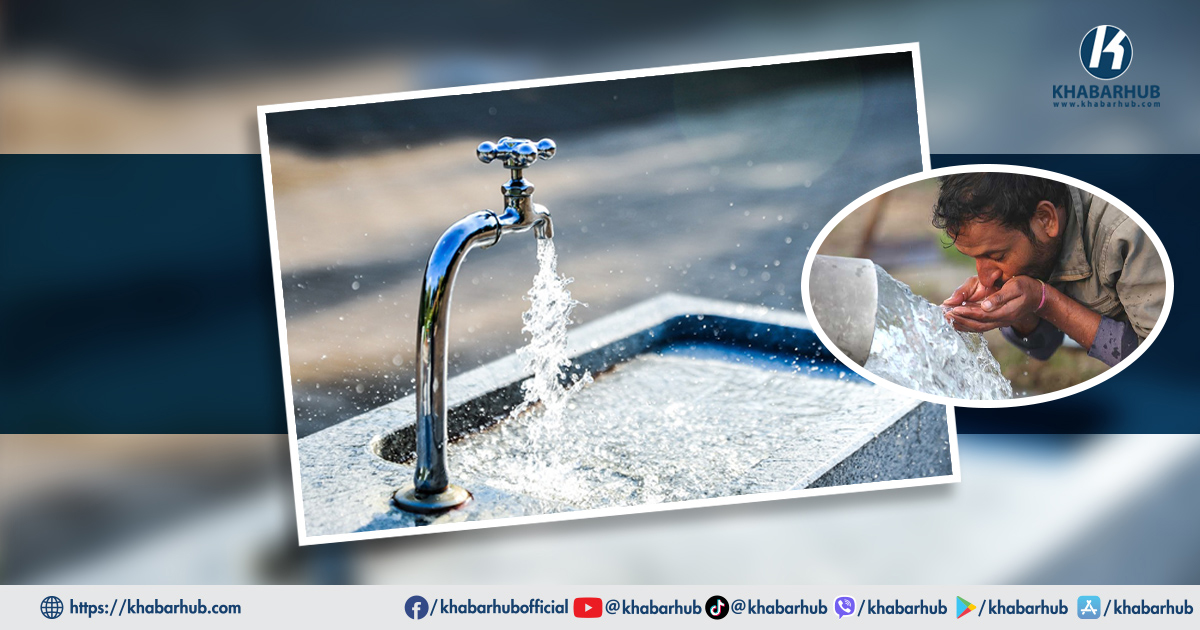
KATHMANDU: Water is essential for all forms of life — humans, animals, and plants alike. Yet, while it sustains life, contaminated water can also threaten it.
Waterborne diseases are a serious global health challenge, claiming lives and causing widespread illness, even in the most developed countries.
Contaminated water, often polluted due to human activity, is a key source of infectious diseases. According to the World Health Organization (WHO), around 4,000 people die every day worldwide due to water pollution.
An estimated 700 million people still lack access to clean water, and 2.5 billion are without basic sanitation facilities. WHO further reports that 42,000 people die each week due to inadequate sanitation—90 percent of them children under the age of five.
Waterborne diseases: A persistent public health threat
Though no comprehensive data exists on the extent of waterborne disease transmission in Nepal, public health experts say contaminated water is a major contributor to infectious illnesses.
Dr. Sher Bahadur Pun, an infectious disease specialist at Teku Hospital, notes that diseases like diarrhea, cholera, typhoid, hepatitis, and dysentery are commonly transmitted through polluted water. He adds that Nepal still lacks extensive studies on the full spectrum of diseases caused by unsafe water.
Waterborne illnesses are especially common during the monsoon season. Floods and landslides often contaminate water sources, creating conditions ripe for the spread of epidemics.
According to Dr. Pun, hospitals have already begun seeing patients with waterborne infections this year. He urges the public to remain alert and take necessary precautions to prevent outbreaks.
Diarrhea — defined as passing three or more loose stools per day—leads to dehydration and loss of nutrients. If not treated promptly, it can be fatal. Dr. Pun advises anyone experiencing symptoms such as diarrhea, vomiting, or abdominal pain to seek immediate medical attention.
To prevent dehydration, patients are encouraged to consume oral rehydration solutions, rice water, and lentil broth. Dr. Pun stresses the importance of preventive measures like boiling water, using filtered or bottled water, and washing hands with soap before eating.
Only 25% of Nepalis have access to clean water
Despite the importance of clean water, only about 25 percent of Nepal’s population has access to properly treated water, according to the Ministry of Drinking Water and Sanitation. Senior Divisional Engineer Yogendra Chitrakar states that just one-fourth of the population receives chlorinated water through managed supply systems.
While 95 percent of the population has access to some form of basic drinking water, this includes unimproved sources and systems that may not meet health standards.
In hilly areas, piped water from springs or rivers is considered managed supply. In the Terai, people often rely on private tubewells near their homes—classified as basic access, but not necessarily safe.
Chitrakar notes that some development projects reported as functional are still incomplete or ineffective. As a result, only 18–20 percent of the population may actually be consuming clean and safe water.
Water purification methods
Chitrakar outlines four main water purification methods in Nepal:
Boiling: The simplest and most widely accessible method.
Filtration: Using household filters to remove contaminants.
Solar Disinfection (SODIS): Placing clear water bottles in direct sunlight for 2–3 hours to kill pathogens.
Chemical Treatment: Adding chlorine or pickling powder and waiting at least 30 minutes before drinking.
Access to safe drinking water is a basic human right and a public health priority. Ensuring water is properly treated before consumption can prevent deadly diseases and safeguard communities. Clean water is not just a resource—it’s a lifeline.



Comment