




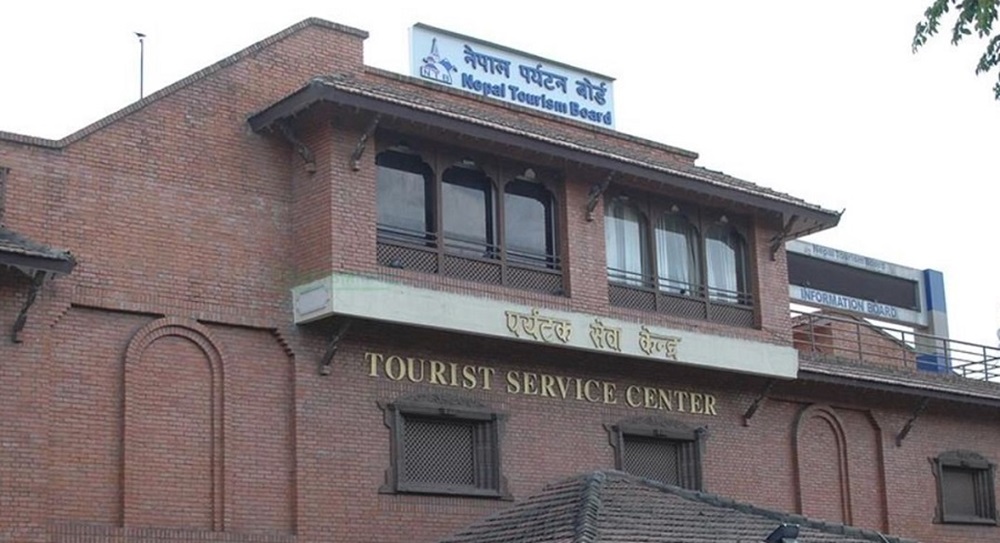
KATHMANDU: The Nepal Tourism Board (NTB) has approved a budget of Rs 1.59 billion for the fiscal year 2025/26 with the aim of revitalizing the country’s tourism sector and establishing Nepal as a safe, reliable, and attractive destination in the global tourism community.
The budget was approved during the NTB Executive Committee meeting held on July 15. Budget subcommittee coordinator Rishiram Bhandari said this year’s financial plan reflects the board’s ambitious roadmap for sustainable growth and revitalization of Nepal’s tourism.
“The board aims to increase international tourist arrivals by at least 15% this year while boosting the overall dynamism of the tourism sector,” Bhandari said.
NTB CEO Deepak Raj Joshi called the new budget “not just an accounting document, but a commitment to a new era in Nepal’s tourism.” He added that the focus is on enhancing national output, foreign currency earnings, and employment opportunities through tourism development and promotion.
One of the flagship initiatives of the budget includes promoting Nepal as part of ASEAN Tourism Year 2026 and prioritizing quality over quantity in attracting international tourists. The board aims to increase revenue from each tourist by at least 15% this year.
The NTB plans to run promotional campaigns in at least 50 source markets, produce 5,000 skilled tourism professionals, and develop or restore infrastructure at 25 emerging tourism destinations.
A significant portion of the budget, 70 percent, will be allocated to international marketing. India, Nepal’s largest tourist source market, will soon see an NTB office, with Delhi or another major city being considered as the base.
Additionally, NTB’s budget outlines plans to establish regional offices and expand services across the country.
Rs 436.1 million has been allocated for tourism market management and promotion, Rs 129.5 million for public relations and media outreach, Rs 26.7 million for research and monitoring, and Rs 186.35 million for tourism heritage and resource development. Rs 116.6 million has been set aside for establishing and operating new regional offices.
Special promotional programs, such as the Buddhist Travel Mart, Himalayan Travel Mart, Adventure Travel Mart, Sagarmatha Honour Program, and Safari Tourism Mart, will receive Rs 46.2 million.
NTB will also conduct major campaigns in the US, China, Japan, South Korea, Australia, Bangladesh, Sri Lanka, Malaysia, Thailand, and various European countries.
NTB will promote its “Nepal: Lifetime Experience” slogan in global tourism expos and invest in digital marketing, international media partnerships, travel blogs, and familiarization tours.
The budget also prioritizes domestic tourism. NTB plans destination promotion programs in collaboration with provincial and local governments, particularly in Sudurpaschim, Karnali, and Eastern Nepal.
It includes initiatives to strengthen digital infrastructure, data systems, and tourism workforce development. Specific budget lines are allocated for tourism research, training, and expert engagements.
Programs such as international expos, digital campaigns, cinema tourism, diaspora connections, branding, and strategic impact events are high on the agenda.
The budget further includes infrastructure development such as trail improvements, the Namaste Center, Buddhist site promotion, mountain safety training, green hospitality certification, domestic tourism promotion, and training in tour operation, languages, and digital skills.
Highlights from Pokhara will include the Pokhara Travel Mart, Street Festival, promotion of Annapurna and Manaslu trekking routes, tourist police training, canyoning training, and the enhancement of the Mountain Museum.
Aggressive promotional drives will also be conducted in India, China, and other South Asian countries.
NTB says its 2025/26 budget is grounded in sustainability, focusing on the effective implementation of the Tourism Information Management System (TIMS), disaster preparedness, climate resilience, research, and international cooperation to lay the foundation for the next decade of sustainable tourism development.
“This budget is not just a financial plan, it is the roadmap for Nepal’s tourism renaissance,” said CEO Joshi. “With strategic partnerships and targeted market outreach, we are committed to rebuilding and expanding Nepal’s tourism sustainably.”





Comment