




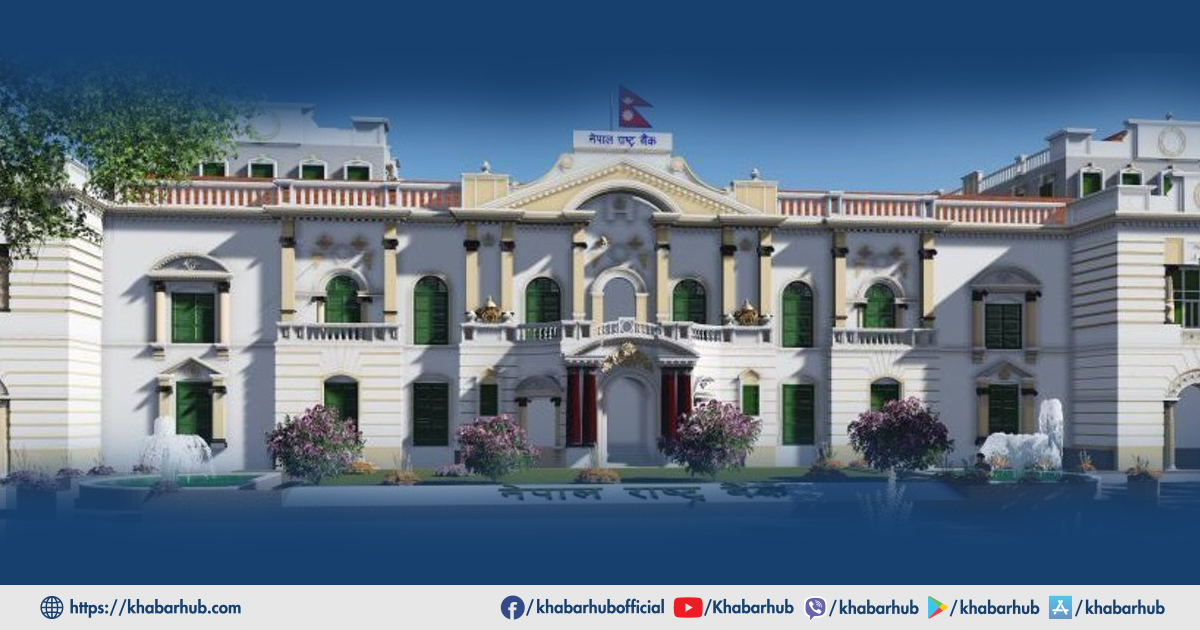
KATHMANDU: For the first time in recent years, a coalition government, formed by the Nepali Congress and CPN-UML, has completed the implementation of a full fiscal year’s budget.
The budget, originally introduced by then Finance Minister Barshaman Pun during the Pushpa Kamal Dahal-led administration on May 28, 2024, was later executed under Prime Minister KP Sharma Oli’s leadership after the formation of the new government on July 15, 2024.
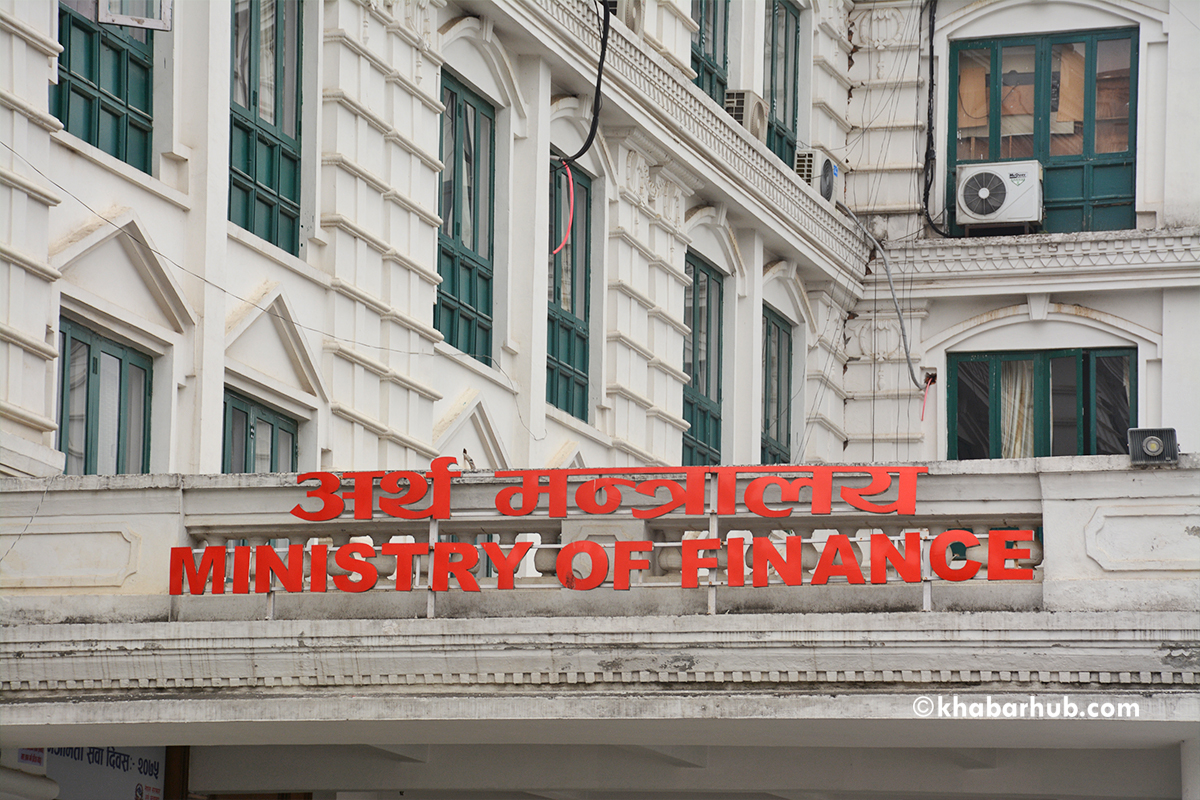
One year into the new coalition, Finance Minister Bishnu Prasad Paudel has already presented the budget for the upcoming fiscal year. Despite the shift in government, certain economic indicators have shown signs of improvement.
Nepal’s economy, which had contracted significantly during the Covid pandemic, showed modest growth last fiscal year, with further expansion seen this year. In his budget speech, Finance Minister Paudel acknowledged the economic strain at the time of the coalition’s formation, noting several indicators of financial distress.
Nonetheless, Paudel claimed that consistent efforts had helped steer the economy toward a more positive trajectory. Sectors like manufacturing, construction, wholesale and retail trade, which had previously experienced negative growth, are projected to rebound. Substantial growth is also anticipated in electricity, transport, storage, and financial services.
However, Paudel admitted that despite favorable capital spending and an investment-friendly environment, many core economic indicators have yet to show significant improvement over the previous fiscal year.
External sector stabilizing
Although the government has not introduced major reforms in the external economic sector, foreign remittance inflows, rising exports, and a recovery in tourism have helped strengthen foreign exchange reserves. According to the latest monetary policy released by Nepal Rastra Bank (NRB), inflation remains within the target range and the balance of payments has improved.
Recent NRB statistics also reflect positive trends in inflation, remittances, foreign trade, and foreign reserves. However, challenges remain in fiscal management, particularly in balancing government revenue and expenditure. The broad money supply has decreased, and the credit-to-deposit ratio has also fallen.
Meanwhile, the number of people seeking labor permits for foreign employment has increased compared to the previous year, as has the number of students leaving for higher education abroad.
Mixed outcomes on private sector and investment
In the past year, the government has introduced several policy reforms to improve the business climate. This includes amendments to key laws such as the Foreign Investment and Business Environment Act, Privatization Act, Customs Tariff Act, Banking Offenses and Penalties Act, and the Customs Act.
A high-level economic reform advisory commission with private sector participation was also formed. While some of its recommendations were included in the budget, controversial provisions like the “take-and-pay” system were rolled back following strong opposition.
Despite reforms, foreign direct investment (FDI) saw only moderate growth. According to the Department of Industry, foreign investment commitments in the current fiscal year reached Rs 60.6 billion across 717 industries, up from Rs 44.4 billion the previous year.
Rising debt, weak capital spending

Capital spending continues to lag. According to the Office of the Financial Comptroller General, capital expenditure reached just 61 percent of the annual target by the end of the fiscal year, while recurrent expenditure stood at 86 percent, and financial management spending also reached 86 percent.
Revenue collection, however, reached only 78.6 percent of the target, though it exceeded last year’s total by Rs 100 billion.
Of the Rs 52.3 billion targeted for foreign grants this fiscal year, only 44.34 percent, Rs 23.2 billion, was realized. Meanwhile, the government spent Rs 329.6 billion on principal and interest payments.
Public debt has risen sharply. Over the past 11 months, Nepal’s public debt increased by Rs 220.6 billion, bringing the total to Rs 2.65 trillion. Last year, the debt stood at Rs 2.43 trillion.
Foreign debt mobilization also remained low, with only 45.72 percent of the annual target achieved, raising concerns over Nepal’s weak performance in financial diplomacy.
The government initially projected a 6 percent economic growth rate for the fiscal year. However, both the Ministry of Finance and the Central Bureau of Statistics now estimate growth at just 4.61 percent.


Comment