




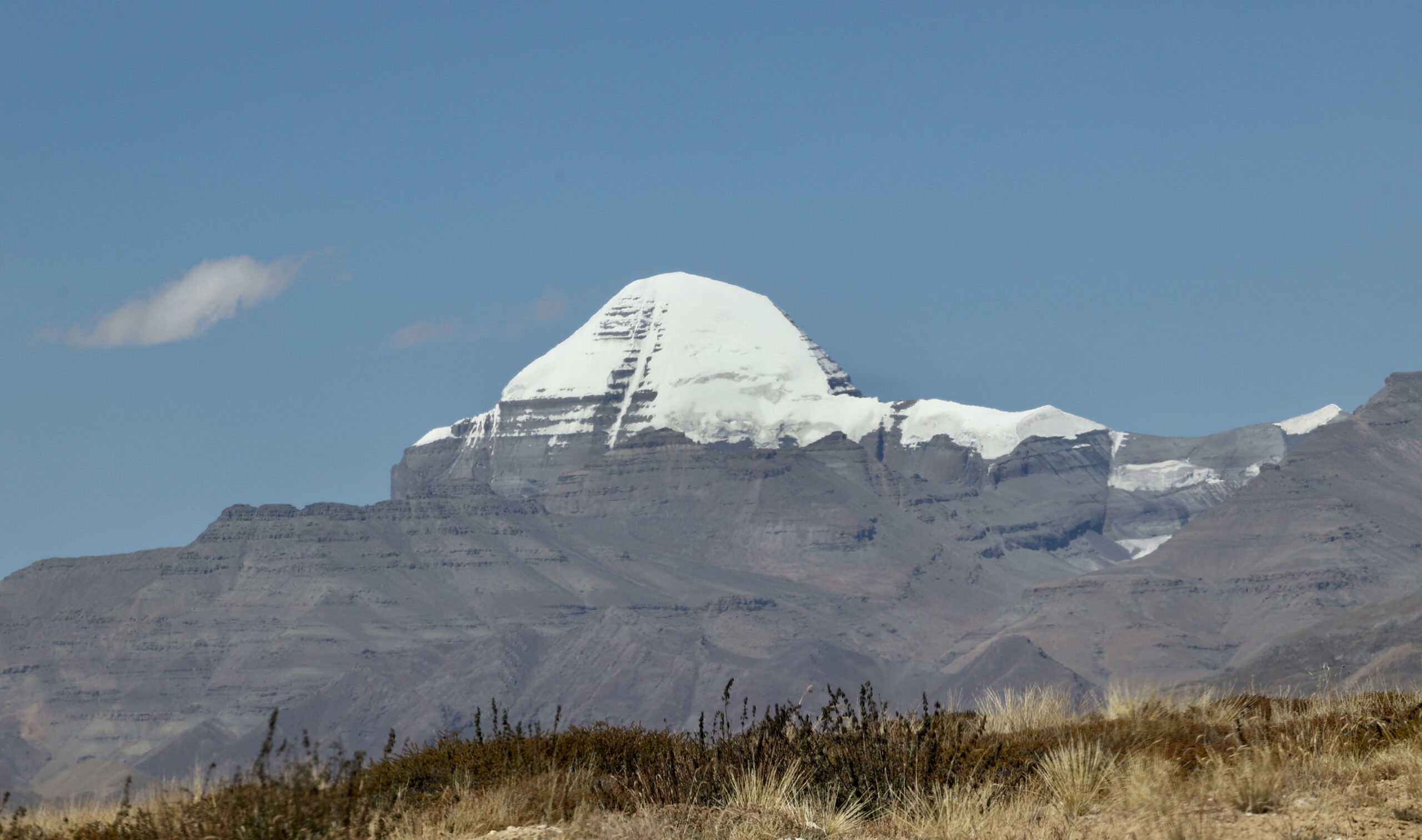
KATHMANDU: More than 2,500 international pilgrims en route to Mount Kailash and Lake Manasarovar have been left stranded in Kathmandu due to prolonged delays in visa verification by the Chinese Embassy.
Tour operators report that what was previously a three-day visa process is now taking over 10 days, severely affecting peak-season travel plans.
Luxury hotels in Kathmandu are currently housing around 3,000 tourists awaiting visas for the revered pilgrimage, according to multiple tour operators. Many of the stranded travelers are Indian nationals or persons of Indian origin residing in countries such as the United States, the United Kingdom, Canada, and Australia.
Ramesh Ojha, Managing Director of Ojha Holidays Tours and Treks Pvt. Ltd., said the new Chinese visa verification policy—implemented during the busiest pilgrimage window—has left businesses grappling with financial losses and logistical challenges.
“More than 2,000 religious tourists have not been able to start their journey due to delays in visa issuance,” Ojha said.
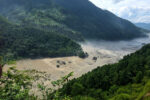
Compounding the issue, recent floods in Rasuwa—particularly the blockage of the Rasuwagadhi-Kerung route—have further complicated travel plans. This route, a primary access point for Mount Kailash via the Tibet Autonomous Region, is used by the majority of Indian pilgrims.
The alternative route through Nepalgunj, Simikot, and Hilsa is now being used to transport tourists who have already secured visas, but this has caused additional delays and expenses.
Tour companies such as Ojha Holidays, Richa Travels, Eco Trek, Heritage Tours and Travels, Sunny Travel, and Trekkers Society are among those most heavily involved in organizing Kailash tours.
Namraj Joshi, a Mumbai-based operator from Leisure Port, said his 39-member group has been waiting in Kathmandu for over 10 days. They are currently staying at the Dusit Princess Hotel, anxiously awaiting visa clearance.
According to industry insiders, each tourist spends between USD 5,000 and 7,000 for the pilgrimage, including USD 2,000 on flights and around USD 2,500–3,000 for tour packages.
With mounting hotel bills caused by the visa delay, Nepali tour operators are shouldering significant financial burdens, often exceeding the commissions they earn.
“The situation is frustrating. We’ve had to pay for 5–10 nights of accommodation from our own pockets,” said one operator, who declined to be named.
On June 22, the matter was raised in a meeting of the International Relations and Tourism Committee of Nepal’s House of Representatives. Lawmakers drew attention to the pile-up of foreign tourists in Kathmandu awaiting visas. In response, Culture, Tourism and Civil Aviation Minister Bhadriprasad Pandey pledged to coordinate with the Ministry of Foreign Affairs and engage with the Chinese Embassy to expedite visa procedures.
The impact on tourism is significant. The Kailash Manasarovar pilgrimage accounts for nearly 20 percent of total inbound tourism handled by Nepali operators working in the region. Each year, around 20,000 to 25,000 pilgrims travel through Nepal to reach Mount Kailash. The pilgrimage season typically spans from May to September.
Due to the current delays between June 25 and July 9, many pilgrims have been stuck in Kathmandu hotels, incurring extra costs and facing uncertainty. Some have begun returning home, unable to wait any longer. Tour operator Surya Pathak of Soham Journeys Pvt. Ltd. said, “We are suffering the most. Our costs have gone up, while our commissions have evaporated.”
Pathak, whose company once sent as many as 3,000 pilgrims per season, says he expects fewer than 1,000 to complete the journey this year. In 2019, the company had managed nearly 4,000 pilgrims. He fears that if the situation doesn’t improve, Nepal will lose its competitive edge as a gateway for Kailash pilgrims.
According to the Association of Kailash Tour Operators Nepal, over 30 companies are currently involved in organizing Kailash tours. The Nepalgunj–Simikot–Hilsa route is the shortest and most preferred path for pilgrims. Operators report that Indian citizens typically spend Rs 250,000 to 300,000 on the journey, while non-resident Indians (NRIs) pay upwards of Rs 1 million due to higher airfare and visa requirements.
Despite repeated calls for a more efficient and transparent visa process, the lack of a predictable system and the added impact of natural disasters like the Rasuwa flood have raised concerns among tourism professionals. As the peak season slips away, Nepali operators say urgent diplomatic engagement is essential to prevent further reputational and economic damage.




Comment