




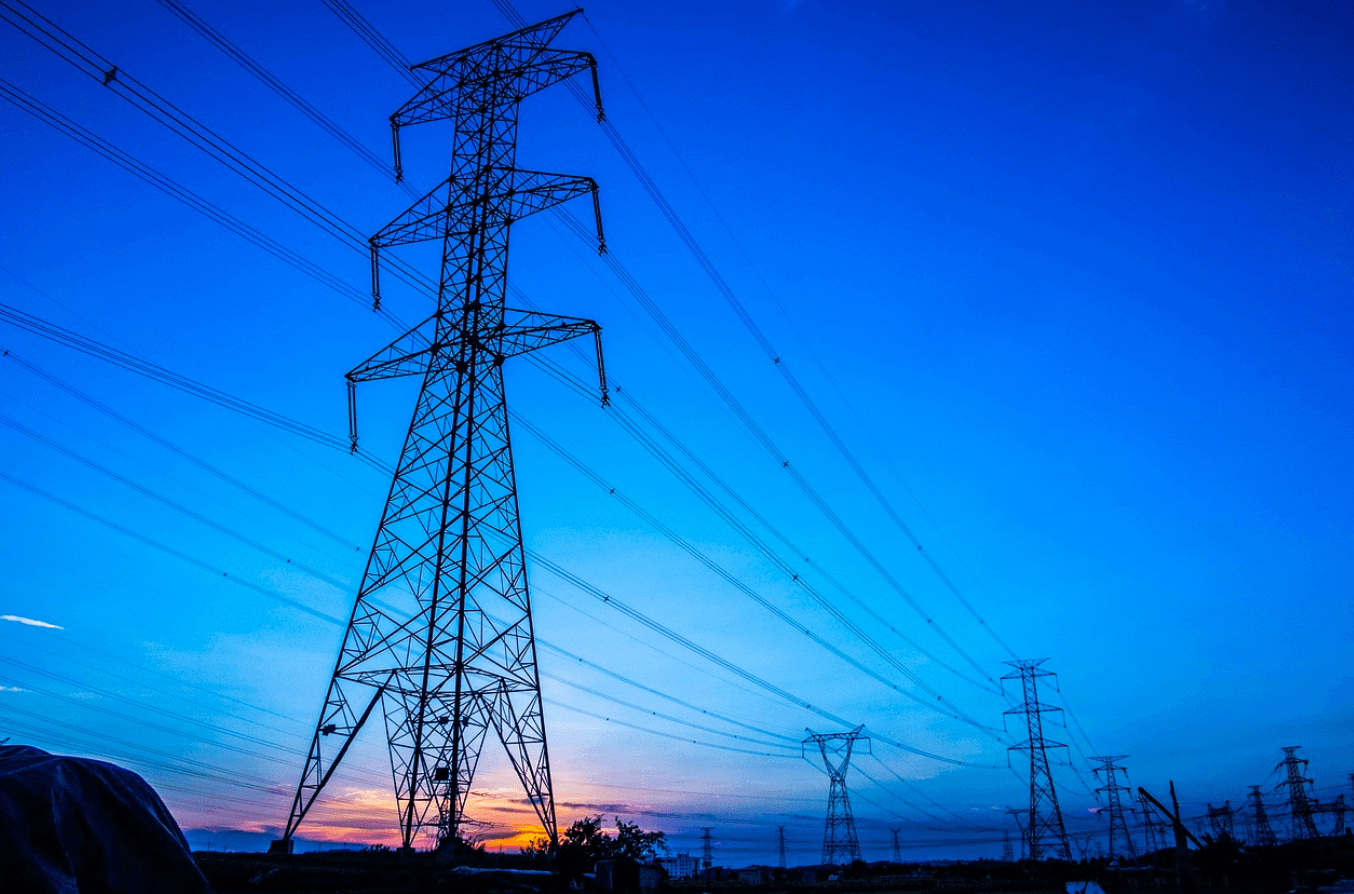
KATHMANDU: The Rastriya Prasaran Grid Company Limited signed grid connection agreements on Tuesday with five hydropower development companies in a move aimed at accelerating Nepal’s energy infrastructure and transmission capacity.
The agreement signing ceremony was held in Kathmandu in the presence of Minister for Energy, Water Resources and Irrigation Deepak Khadka. Speaking at the event, Minister Khadka said such agreements would contribute to achieving Nepal’s long-term goals in the energy sector.
He stressed that the lack of effective promotion and investment management in the sector had posed a major obstacle to national development, and initiatives like these would support the necessary reforms and momentum.
The agreements were signed by the comapany’s Chief Executive Officer Engineer Sagar Shrestha and representatives of the five hydropower companies—SC Power Company Pvt. Ltd., Surma Sarobar Hydropower Pvt. Ltd., Mata Malika Energy Multiple Pvt. Ltd., Surya Holding Pvt. Ltd., and Himjal Hydropower Pvt. Ltd.
Energy Secretary Suresh Acharya and Electricity Regulatory Commission Chairperson Dr. Ram Prasad Dhital also emphasized the importance of such partnerships in meeting the government’s energy development targets for 2035.
They highlighted that expanding grid connectivity and transmission infrastructure is key to unlocking Nepal’s full hydropower potential.
The hydropower projects involved in the agreement include Tila-1 Hydropower Project with a capacity of 440 MW in Kalikot promoted by SC Power Company, the 54 MW Mahakali Seti Semi-reservoir Hydropower Project in Bajhang developed by Surma Sarobar Hydropower, and the 72 MW Malumela Seti River Peaking Hydropower Project, also in Bajhang, promoted by Mata Malika Energy Multiple. Similarly, Surya Holding is developing the 31.92 MW Upper Mewa Khola ‘A’ Hydropower Project in Taplejung, while Himjal Hydropower is promoting the 9.143 MW Super Daraudi Hydropower Project in Gorkha.
Officials said the grid connection agreements would not only boost domestic power transmission capacity but also help Nepal move toward its goal of becoming a major exporter of clean energy.





Comment