




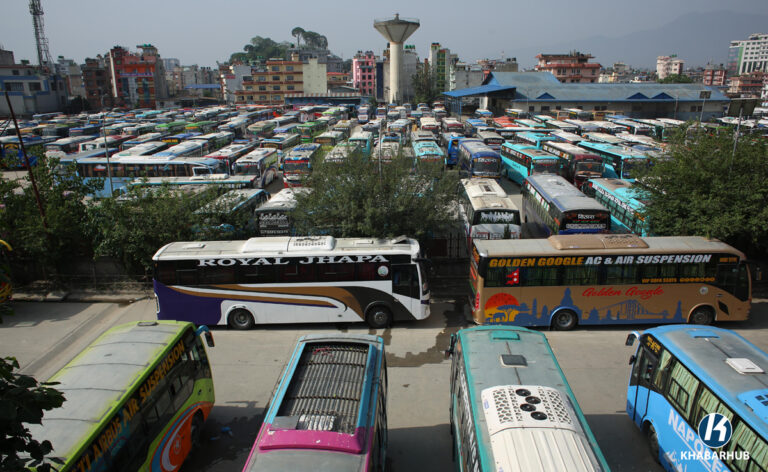
KATHMANDU: Nearly seven years after Nepal abolished transport syndicates through a five-point agreement with transport entrepreneurs on May 6, 2018, signs of their re-emergence have surfaced.
On Monday, public transport operators staged a nationwide strike demanding the cancellation of the recently introduced Ride-Sharing (Regulation and Management) Guidelines, 2025 by the Gandaki Province government.
Although the strike caused widespread disruption, by late Monday evening, the federal government and transport entrepreneurs reached a six-point agreement. As per reports by the state-owned news agency, the Office of the Prime Minister and Council of Ministers requested Gandaki Province not to enforce the new guidelines immediately. Transport operators have argued that the provincial regulation contradicts federal laws and should therefore be repealed.
On Tuesday evening, Gandaki Province suspended ride-sharing regulation implementation following federal directive. To understand the current resistance to ride-sharing, it is essential to revisit the state of Nepal’s public transport system prior to the 2018 agreement. For years, a handful of private operators dominated the public transport sector by forming powerful syndicates.
These groups controlled bus routes through unions and associations, effectively blocking new entrants and stifling competition. This monopoly caused significant inconvenience to passengers, with frequent vehicle shortages and poor service availability.
Rise of ride-sharing
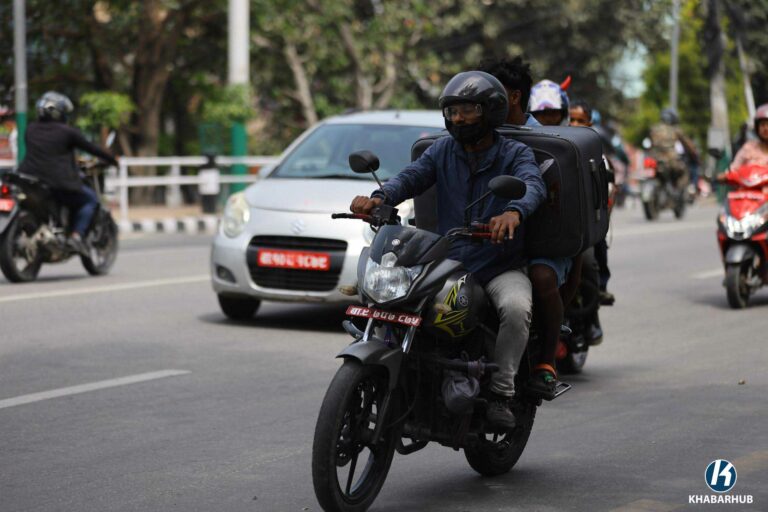
Since 2016, ride-sharing services have gained traction in Nepal, beginning with the launch of Tootle, followed by companies like Pathao, Indrive, JumJum, and Yango. These services, facilitated by mobile apps, connect individual vehicle owners—mainly motorcycles and some private cars—with passengers looking for affordable, on-demand rides.
Most two-wheeler ride-share providers are students, small business owners, or returnees from foreign employment who offer rides during their spare time. Some taxi drivers also register on these platforms, using them to supplement their income through both online and offline bookings. On average, motorcycle riders can earn Rs 30,000 to Rs 50,000 per month—a respectable income for urban youth in Kathmandu.
Public transport operators claim that the ride-sharing model allows private vehicles—especially those with personal number plates—to operate commercially, which they argue is illegal and undermines the regulated public transport system. They also criticize foreign ride-sharing apps for setting fares unilaterally, and they demand the repeal of parts of the Bagmati Province’s Transport Act, 2018.
Transport entrepreneurs further insist that any new regulatory framework must not contradict federal laws, and they argue for the reinstatement of vehicle route committees—structures that the government had previously fought hard to dismantle in its anti-syndicate campaign.
What the guidelines propose
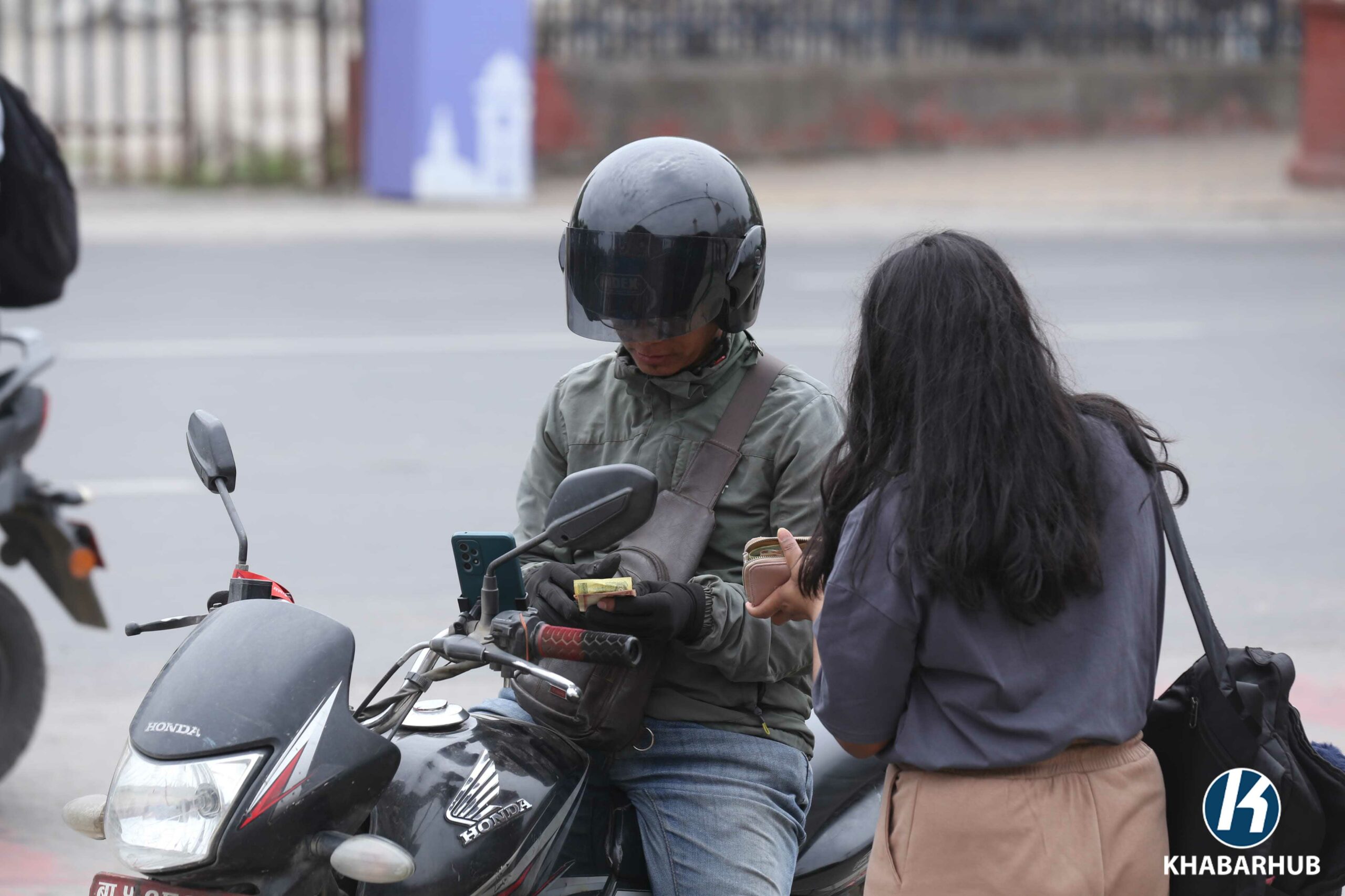
The Ride-Sharing Guidelines introduced by Gandaki Province require companies to obtain official permits, operate their own ride-sharing apps, limit rides to 20 kilometers, ensure passenger insurance, and provide social security for riders. Vehicles offering self-drive services must also include GPS tracking features.
While the absence of GPS and digital infrastructure previously made monitoring ride-sharing operations difficult and risky, the current technological advancements now allow the government to track and regulate these services effectively.
During a parliamentary infrastructure committee meeting on Tuesday, former Minister for Physical Infrastructure and Transportation Prakash Jwala criticized the six-point agreement, calling it a step backward that re-establishes syndicate-like control. Jwala, a leader of the CPN (Unified Socialist), said the agreement undermines progress made in reforming the public transport sector.
Rather than suppressing emerging innovations, experts argue that ride-sharing should be brought under strict yet supportive regulation. Imposing professional standards like insurance, social security, and clear service guidelines can provide justice both for riders and passengers. As Nepal modernizes its transport ecosystem, balancing traditional operations with digital innovations will be crucial for ensuring fair access, competition, and improved commuter experience.






Comment