




KATHMANDU: As the government prepares to unveil the new fiscal year budget, imports of electric vehicles (EVs) have surged significantly.
Fearing potential hikes in customs duties and excise taxes in the upcoming budget, vehicle importers are rushing to bring in EVs under the current, lower tax regime.
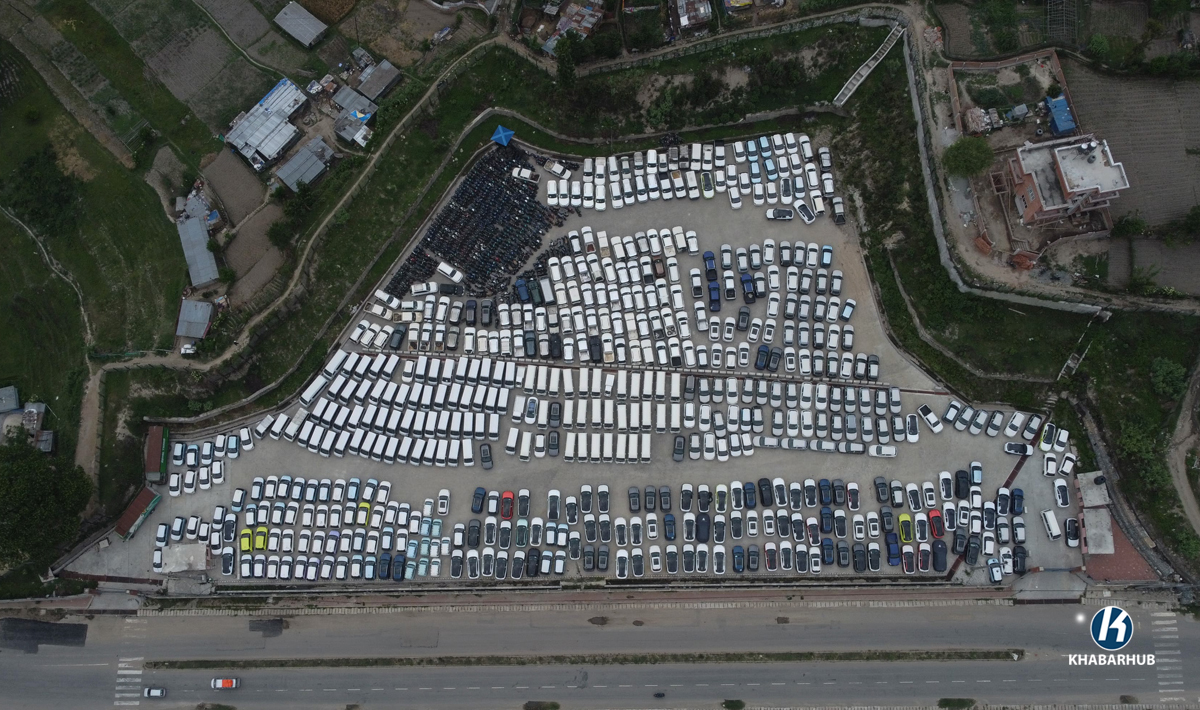
Currently, Kathmandu’s Dry Port in Chobhar is packed with hundreds of EVs from various brands awaiting customs clearance. These vehicles have entered Nepal primarily through the Rasuwagadhi and Tatopani border points in the north, and Birgunj in the south, with a few arriving via other entry points as well.
According to customs data, approximately 1,900 EVs were imported in the month of Baisakh (mid-April to mid-May) alone. The majority of the vehicles fall in the 51–100 kW category.
The government often revises vehicle-related taxes, including customs and excise duties, in the annual budget. This prospect of tax increase prompts importers to stock up in advance to take advantage of the existing lower tax rates, which they then pass on to consumers.
The number of EVs on Nepal’s roads has visibly increased in recent years. This growth has been fueled by the government’s policy of offering reduced import duties and excise taxes on EVs, making them an increasingly attractive option for both first-time buyers and those upgrading their vehicles.
Chinese electric vehicle brands currently dominate Nepal’s EV market, though Indian companies are rapidly expanding their presence as well. Responding to the growing demand, both local dealers and international brands have ramped up their imports, making EVs a mainstream choice in Nepal’s automobile sector.





Comment