




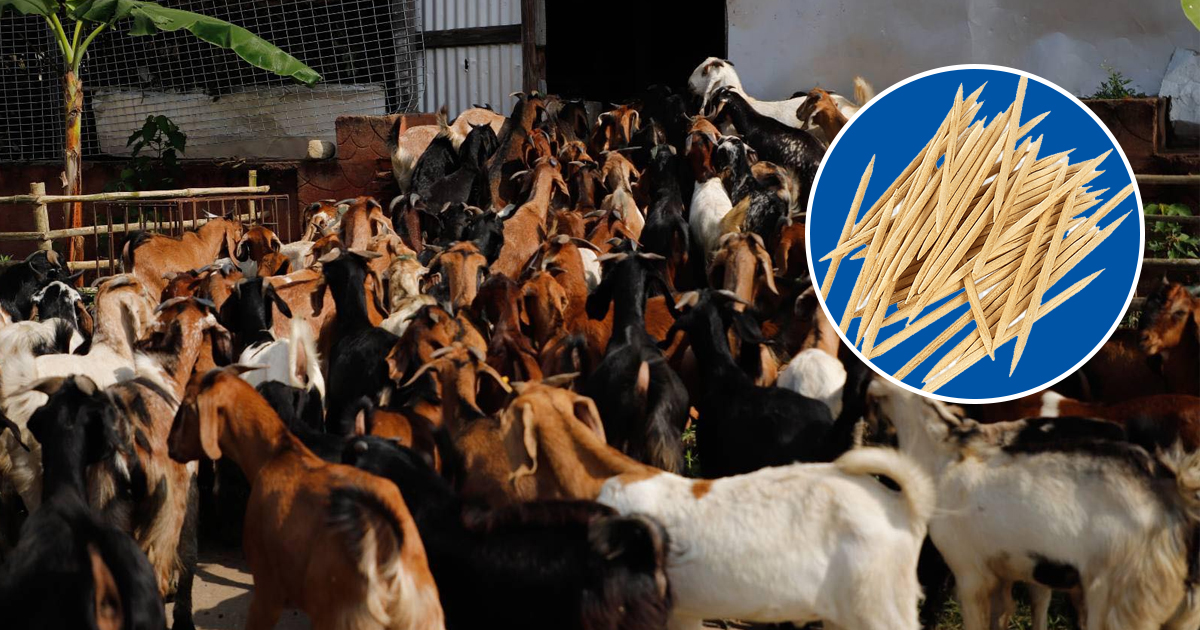
KATHMANDU: As the country prepares for Dashain, the biggest festival in Nepal, locals are immersed in celebration and culinary traditions, which prominently feature fish and meat.
Despite advancements in agriculture and animal husbandry, Nepal continues to import significant quantities of fish and meat from abroad.
Over the past five years, Nepal has imported meat worth over 13 billion rupees.
In the financial year 2019/20 alone, fish and meat imports amounted to approximately 2.77 billion rupees.
The following year, 2020/21, saw an increase with imports reaching 3.34 billion rupees.
In the fiscal year 2021/22, the figure was slightly lower at 3.13 billion rupees.
The most recent data for 2022/23 indicates a decrease, with imports totaling around 1.08 billion rupees.
However, during the previous fiscal year (2023/24), fish and meat worth approximately 2.23 billion rupees were imported, reflecting the seasonal demand during the festival.
In terms of livestock, Nepal imported goats valued at around one crore rupees during this period, with nearly 996,300 goats sourced entirely from India.
Toothpicks worth two crores imported annually
In addition to meat, Nepal also imports various small items, including toothpicks.
Despite local production capabilities, bamboo in Nepal has deteriorated due to weather conditions.
In July and August of this year alone, 6.63 million toothpicks were imported, totaling 18,912 kg.
Over the past five years, imports of toothpicks have reached a cumulative value of 94,441 rupees.
Last fiscal year, dental floss worth 27.93 million rupees was also imported. In 2079/80, a total of 1.13 crore toothpicks were brought in.
While Nepal has rich agricultural and culinary traditions, the reliance on imports for meat and small items like toothpicks highlights ongoing challenges in local production and supply.






Comment