




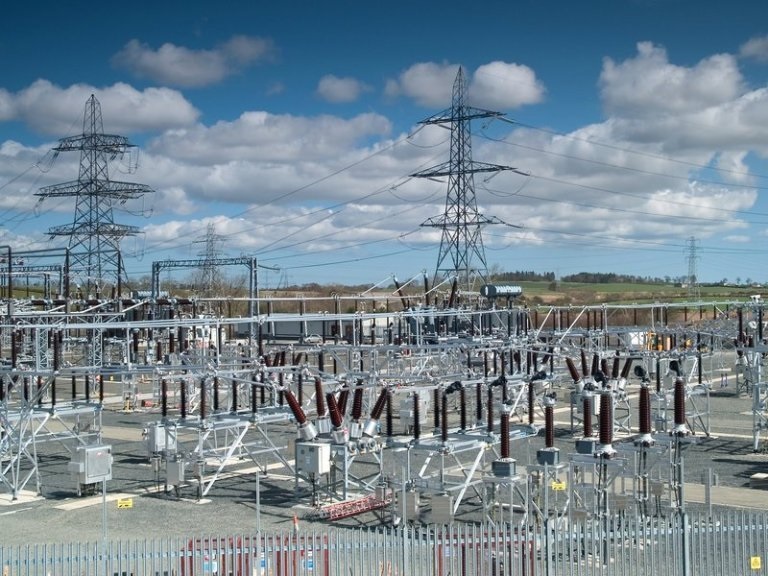
KATHMANDU: With the onset of the rainy season, Nepal’s river water levels have risen, boosting electricity production.
Many hydropower projects are now operating at full capacity.
However, the increase in electricity production has led to a significant challenge: approximately 700 megawatts of electricity is wasted at night due to reduced consumption.
The Nepal Electricity Authority (NEA) reports that up to 700 megawatts of electricity goes unused at midnight because nighttime electricity consumption is lower than during peak hours in the morning and afternoon.
NEA Spokesperson Chandan Kumar Ghosh noted that while the installed electricity capacity in Nepal has reached around 3,300 MW, only about 3,200 megawatts are being produced during peak hours.
Of this, up to 2,700 megawatts are consumed during peak morning and afternoon hours.
During other times, such as the afternoon and evening, there is a surplus of 400 to 500 megawatts.
Despite this surplus, only around 200 megawatts are exported to India.
Ghosh explained that the surplus electricity at night is not fully utilized because there is limited demand in India during those hours.
Recent floods and landslides have not significantly impacted the hydropower projects, which continue to operate efficiently.
Technical issues at substations and powerhouses are occasionally reported, but they are not severe.
As of now, the NEA generates 563 MW of electricity, its subsidiary contributes 492 MW, and private sector companies supply 2,100 MW to the national grid.
Additionally, the private sector produces 81.9 megawatts from solar energy and 6 megawatts from others.
Hydropower projects like the 456 MW Upper Tamakoshi, and others under NEA are operating at full capacity.
Ghosh highlighted that the surplus electricity during nighttime hours remains underutilized, primarily due to the lack of demand.
This contrasts with winter months when the NEA often struggles to meet consumption loads and has previously imported 200 to 300 megawatts from India to bridge the gap.
In the past, with a total installed capacity of 3,100 MW, decreased water levels led to a reduction in power generation to around 1,700 MW, causing shortages of 600 to 700 megawatts.
However, with the rise in river water levels during the rainy season, power generation is steadily increasing.
Most of Nepal’s hydropower projects are run-of-the-river types, which means electricity generation is closely linked to water flow.
As river flow increases during the rainy season, electricity production rises accordingly.
Conversely, during the dry season, reduced river flows lead to decreased electricity generation.




Comment