




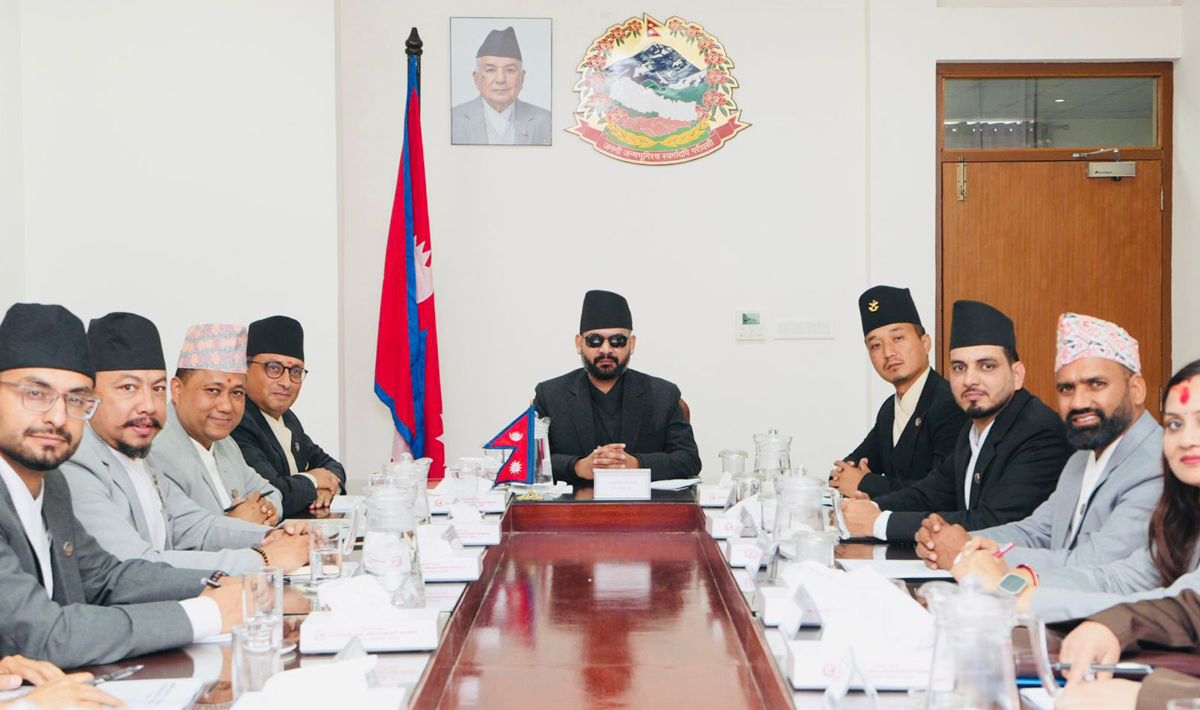
KATHMANDU: The government’s 100-point governance reform agenda, approved by the Cabinet on March 27, includes six points focused on improving the health sector, with a strong emphasis on digital systems and citizen-centric service delivery.
To ensure access to healthcare for the poor, helpless, and abandoned patients, the government has directed that at least 10 percent of beds in both public and private hospitals be made available free of charge. This measure aims to eliminate financial barriers to treatment and enhance social responsibility across healthcare providers.
A ‘Free Health Portal’ will be developed and implemented nationwide within 30 days to monitor the availability of free services, beneficiary data, and service utilization in real time. In addition, a digital, integrated, and interoperable health information system will be established within three months to manage patient records, referrals, follow-up services, and clinical tracking. A clear referral protocol will also be implemented to prevent unnecessary referrals to private hospitals.
To ensure basic standards in public hospitals, measures such as attendance monitoring, conduct review and cleanliness audits will become mandatory within one week. Hospital services will be made citizen-friendly and accountable. Pharmacies in hospitals will implement digital systems displaying medicine stock and prices within three months.
The government plans to establish ‘Sulabh Pharmacy’ across major public hospitals to provide essential medicines at minimum prices under generic names. This program, executed in collaboration with the private sector, aims to strengthen supply management and will be rolled out nationwide in phases over 100 days.
To address the high mortality and long-term rehabilitation challenges due to the lack of burn treatment facilities, the government will initiate the establishment of burn wards in most hospitals within 30 days and provide subsidized treatment for burn patients.
Air ambulance services will be kept ready to provide emergency healthcare in the mountainous regions of Far-Western, Mid-Western, and Eastern Nepal.
Public health expert Dr. Sharad Onta emphasized that only by implementing these measures can the public experience tangible improvements in healthcare. He noted that while previous governments have made paper commitments, citizens have yet to see real changes.
“Even with constitutional provisions, significant improvements in health services are possible. Basic and emergency healthcare guaranteed by the Constitution has not yet reached the people,” Dr. Onta said.
However, health experts have expressed concern that the government’s priority list does not include the health insurance program, which they consider crucial for long-term sectoral reform.






Comment