




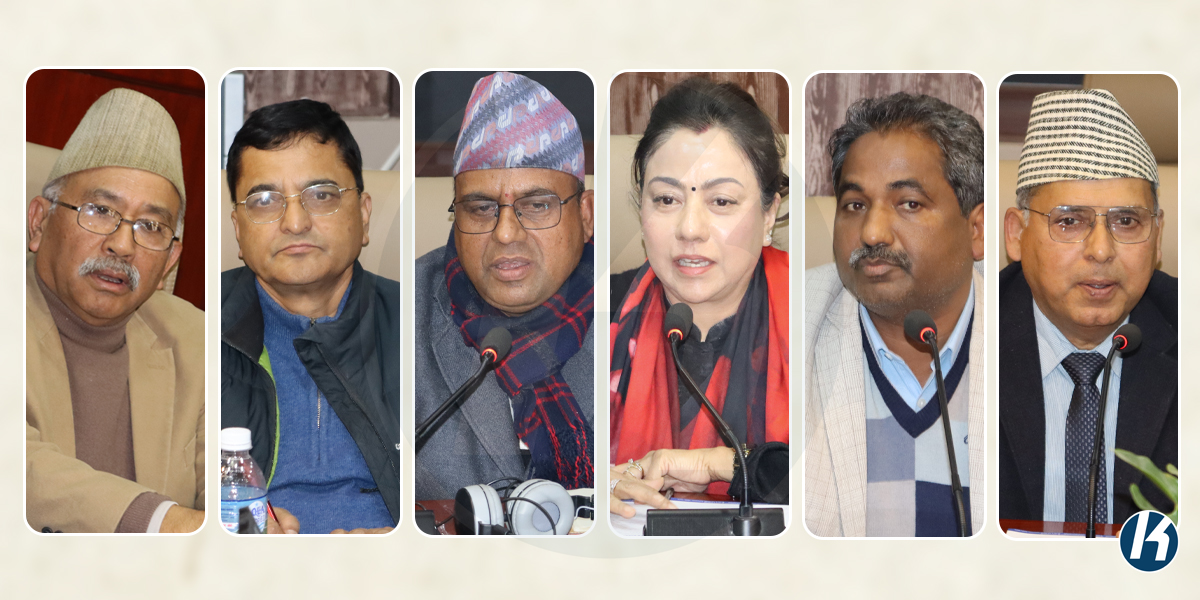
KATHMANDU: As the country heads toward the House of Representatives elections scheduled for March 5, concerns are growing among political leaders, legal experts and civil society representatives over whether the polls will address Nepal’s deeper political crisis.
While the Election Commission (EC) has intensified preparations to ensure timely elections, stakeholders warn that voting alone may not resolve the underlying instability gripping the nation.
Speaking at a discussion organized by the Institute for Strategic and Socio-Economic Research (ISSR) in Kathmandu on Wednesday, participants said the country remains mired in uncertainty.
Former Chief Justice Kalyan Shrestha stressed that although elections are essential in a democracy, the more important question is what they ultimately deliver. Reflecting on repeated political upheavals since 2007 BS, he questioned whether Nepal was turning into a “failed laboratory” of governance, with one government repeatedly replacing another without lasting stability.
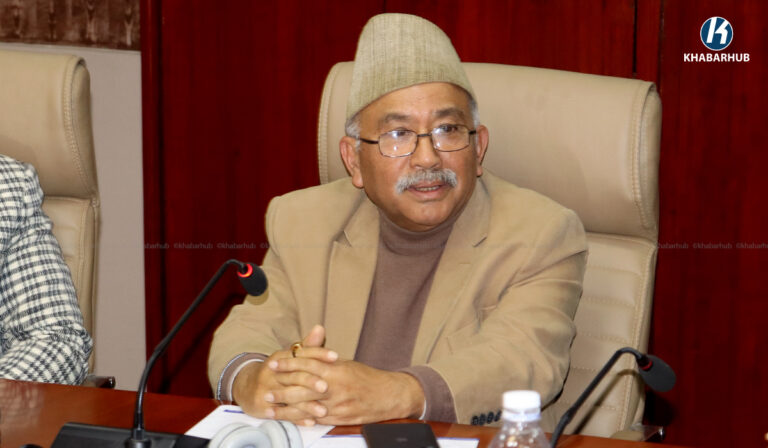
Shrestha noted that unresolved issues surrounding the protests of Sepetmber 8 and 9, the absence of an investigation commission’s report, and unaddressed demands of the Gen-Z protest have cast a shadow over the elections. He argued that holding polls without first resolving these disputes risks deepening the crisis, warning against a scenario in which “someone wins the election, but the nation loses.”
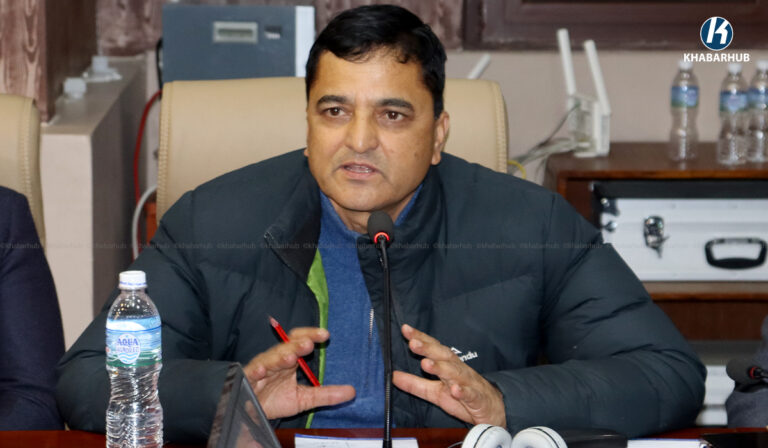
CPN-UML Deputy General Secretary Yogesh Bhattarai said that although the country has already entered the election phase, uncertainty persists about the post-election trajectory. He questioned the relevance of holding elections while the issue of parliamentary restoration remains under judicial consideration, and raised doubts about whether a new government would gain not just constitutional legitimacy but broader political legitimacy.
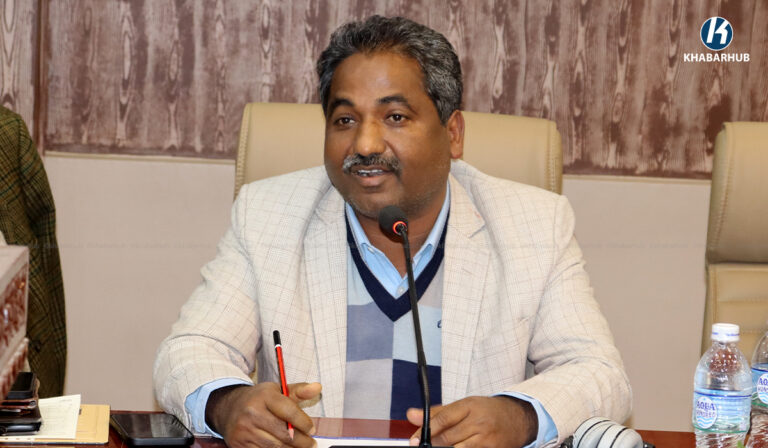
Aam Janata Party Chair Prabhu Sah echoed similar concerns, arguing that the elections are unlikely to provide solutions in the current context. He warned that unresolved movements such as Gen-Z, whose core leadership remains on the streets, could result in further instability if ignored. Sah claimed that a flawed system cannot deliver positive outcomes and even suggested international monitoring of the situation.
Nepali Congress leader Badri Prasad Pandey observed that unlike past movements, which had clear leadership and negotiation channels, the Gen-Z movement lacks clarity, creating uncertainty about what follows the elections.
Former FNCCI President Bhawani Rana also expressed apprehension, questioning whether elections alone can address public demands and what the post-election scenario might look like.
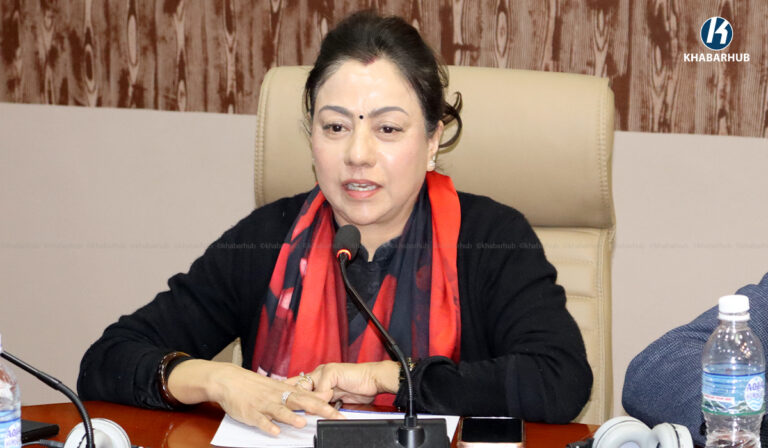
Senior Advocate Bipin Adhikari highlighted structural weaknesses, particularly the incomplete implementation of federalism. He argued that provinces remain weak due to excessive control by party high commands and warned that national security concerns have intensified following recent unrest. According to him, resolving Nepal’s challenges now requires decisive and targeted reforms.
Former diplomats, security officials and policy experts, including Shankar Das Bairagi, Naresh Shrestha, Binod Basnet and Pem Kandel, also shared their perspectives, collectively underscoring a common concern: without addressing core political, constitutional and social grievances, elections alone may fall short of providing lasting solutions.

Comment