





KATHMANDU: Economic Digest presents a brief yet comprehensive roundup of major business developments in Nepal, delivered in clear and accessible summaries.
Nepal’s economic activity last week presented a mixed picture, with strong credit expansion and continued investment in hydropower and pharmaceuticals taking place alongside severe weather disruptions that threatened agriculture, transport, tourism and infrastructure. Commercial bank lending rose by Rs 63 billion between mid-August and mid-September, reaching Rs 5.35 trillion.
The increase, reported by Nepal Rastra Bank, suggests stronger private-sector credit demand, supported by lower interest rates and increased economic activity ahead of the major festivals. The Rs 9 billion syndicated financing secured by the Chhujung Khola hydropower project further indicates continued investor interest in infrastructure despite heightened climate risks.
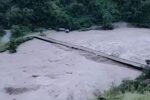
However, the broader economy remains vulnerable to weather-related shocks. The Bhote Koshi floods alone caused estimated damage of more than Rs 408 billion, with recovery needs exceeding Rs 723 billion. Highway blockages, flight disruptions, border closures and crop losses are compounding these costs by interrupting supply chains and restricting the movement of people and goods.
The agriculture sector faces particular pressure, with farmers advised to delay rice harvesting and sugarcane crops damaged in Siraha. Tourism has also been affected by heavy snowfall in the Khumbu region. The disruption of the Arun-III project highlights the growing challenge of protecting major infrastructure from extreme weather. At the same time, calls by IPPAN for more flexible grid regulations underline the need for policies that allow energy investment to withstand such disruptions.
Overall, the developments reveal an economy showing pockets of expansion while facing increasingly significant climate-related risks.
Commercial bank credit expands by Rs 63 billion
Credit extended by commercial banks in Nepal increased significantly from mid-August to mid-September 2026, with total lending rising by Rs 63 billion in a month. According to Nepal Rastra Bank data, outstanding credit across 20 commercial banks increased from Rs 5.287 trillion in mid-August to Rs 5.350 trillion by mid-September. Fifteen of the 20 commercial banks increased their lending portfolios, with Global IME Bank recording the largest rise of Rs 16.19 billion. Banking executives attributed the increase to growing demand for private-sector loans, relatively stable government policies, lower interest rates and increased business activity ahead of the Dashain and Tihar festivals. Meanwhile, adverse weather conditions have also led to the closure of all border points between Nepal and both India and China.
APF recovers Rs 278.5 million worth of smuggled goods in Madhesh
The Armed Police Force (APF) recovered smuggled goods worth approximately Rs 278.5 million from different parts of Madhesh Province over the past three months. The seized items included consumer goods, clothing, tobacco products, electronics, hardware, automobile parts and cosmetics. Vehicles worth more than Rs 102.2 million used to transport the goods were also seized and handed over to customs authorities for further legal action. The APF additionally recovered around 1,100 cubic feet of timber valued at more than Rs 3 million and 102 grams of silver. Authorities also seized illicit drugs, including 193 grams of brown heroin, 9.5 kilograms of hashish and more than 1,606 kilograms of marijuana. A total of 84 people allegedly involved in illegal trafficking were detained and handed over to the relevant authorities. The operations also resulted in firearm recoveries and interventions to prevent human trafficking involving 29 women and 30 men.
Bhote Koshi floods cause over Rs 408 billion in damage
Disaster response authorities have estimated that the devastating Bhote Koshi floods in Rasuwa, Nuwakot and Dhading caused economic damage exceeding Rs 408.28 billion, while an estimated Rs 723.315 billion will be required for recovery and reconstruction. Humanitarian agencies have provided emergency assistance to displaced families, including 1,218 shelter kits, 563 tarpaulins, 701 mattresses and 1,324 blankets, along with multipurpose cash assistance in Dhading and Nuwakot. Mobile health clinics, psychosocial counseling, safe drinking water facilities and 2,000 body bags have also been deployed as part of the disaster response.
Nationwide highway disruptions continue to affect transport, trade and business
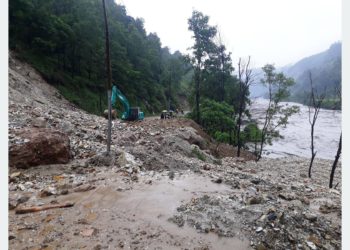
Continued rainfall, floods, landslides, river erosion and snowfall have disrupted major highways across Nepal for a second consecutive day, affecting the movement of passengers, goods and public transport and placing additional pressure on transport-dependent businesses. Several highway sections remain blocked by landslides and floodwaters, while some roads that were reopened after clearance efforts have faced fresh disruptions. Alternative routes are being used where possible, but travel remains difficult along several major corridors. Public vehicles operating to and from Kathmandu have also been affected by road obstructions, disrupting the movement of workers, traders, passengers and essential supplies. Delays in transporting goods between production centers, markets and commercial hubs are affecting businesses that rely on regular road connectivity. With rainfall continuing and several districts remaining on high alert, further disruptions to transportation and economic activity remain possible.
Department advises farmers to delay rice harvesting
The Department of Hydrology and Meteorology has advised farmers across the country to postpone rice harvesting until weather conditions improve, citing the risks of floods, landslides and crop damage. Meteorological expert Rojan Lamichhane warned that harvesting during the adverse weather could result in significant agricultural losses. Although weather conditions are gradually improving in eastern Nepal, western parts of the country continue to experience heavy rainfall due to an active weather system. Authorities have urged people living near rivers to remain vigilant, follow emergency sirens and loudspeaker announcements, and use the toll-free number 1155 for weather-related information. All border points between Nepal and India and China have also remained closed due to adverse weather conditions.
Heavy rain and strong winds damage sugarcane crops in Siraha
Heavy rainfall accompanied by strong winds over two days has caused extensive damage to sugarcane crops covering around 13,545 square meters in Bishnupur Rural Municipality-1, Siraha. Local farmers said strong winds flattened mature sugarcane crops that had been cultivated using borrowed money and institutional loans. The affected farmers had expected to earn around Rs 1 million from the harvest after investing more than Rs 400,000. The crop damage has left farming households facing financial difficulties ahead of the winter season.
Seven foreign tourists rescued after heavy snowfall in Khumbu
Seven foreign tourists stranded in the Imja Tse (Island Peak) area of the Khumbu region have been rescued following heavy snowfall triggered by continuous rainfall. Solukhumbu Chief District Officer Kaman Singh Thapa Magar said snowfall in the upper reaches of the Everest region has exceeded half a meter. Authorities have suspended further movement of trekkers and mountaineers toward high-risk areas. Local representatives, police and residents coordinated the evacuation of the seven European tourists of Chinese origin from Island Peak, a 6,165-meter climbing destination inside Sagarmatha National Park. More than 1,200 tourists are currently estimated to be in the Everest region. Local authorities and Khumbu Pasang Lhamu Rural Municipality have advised trekkers, guides and porters not to proceed toward snow-covered areas, including Thukla, Thoraksep and Gokyo, until weather conditions improve.
Chhujung Khola hydropower project secures Rs 9 billion financing
The 63-megawatt Chhujung Khola semi-reservoir hydropower project under construction in Bhotkhola Rural Municipality-2, Sankhuwasabha, has secured a syndicated loan of Rs 9 billion. Machhapuchhre Bank is leading the financing arrangement, while Ghalemdi Hydro and the project’s founding promoters have committed an additional Rs 3 billion in equity. Prabhu Bank and Lumbini Development Bank are serving as co-lead institutions, with Muktinath Bikas Bank, NIC Asia Bank and Shangri-La Development Bank participating in the financing consortium. The financial closure marks a major development for the project amid disruptions caused by recent floods in the region.
Rising Arun River forces suspension of Arun-III dam construction
Construction of the 900-megawatt Arun-III Hydroelectric Project at Faksinda Dobhan in Makalu Rural Municipality-5, Sankhuwasabha, has been suspended after heavy rainfall caused the Arun River to swell significantly. Local administrative and police authorities said the rising river exceeded the drainage capacity of temporary diversion tunnels, forcing floodwaters over permanent construction structures. The river level reached 818.50 meters, above the designated safety threshold of 817 meters. Security personnel have been maintaining surveillance along vulnerable sections of the river and in settlements at risk from landslides.
IPPAN seeks changes to grid connection guidelines
The Independent Power Producers’ Association, Nepal (IPPAN), has called for revisions to the Nepal Electricity Authority’s draft guidelines on grid connection points and voltage levels, arguing that the proposed provisions could place disproportionate financial and technical risks on energy developers. During discussions with government officials, energy producers called for the removal of a provision requiring projects to achieve 30 percent physical progress before changing their connection points or voltage levels. They argued that the requirement could result in unnecessary engineering costs when transmission delays are caused by state agencies responsible for infrastructure development. IPPAN also called for greater flexibility in dealing with force majeure events, equitable mechanisms for sharing risks related to transformer and transmission-line losses, and faster renewal of power purchase agreements to support renewable energy development.
Nippon Pharmaceutical appoints Nabil Investment Banking for IPO
Nippon Pharmaceutical has appointed Nabil Investment Banking Limited as the issue and sales manager for its planned initial public offering (IPO) targeting retail investors in Nepal’s capital market. Established in 2006, Nippon Pharmaceutical began commercial manufacturing in 2022 after establishing its industrial operation in 2017. The company currently produces more than 60 pharmaceutical formulations, including tablets, capsules, liquids, ointments, creams, gels, oral rehydration salts, dry syrups and penicillin products. The company said its products are manufactured in accordance with international quality standards.
Adverse weather continues to disrupt domestic flights
Persistent rainfall, poor visibility and overcast conditions continue to disrupt domestic air services across Nepal, with several airports reporting delays, rescheduled flights and cancellations. Mountain flights remain suspended in unfavorable weather, while airlines have warned passengers that scheduled services may be changed or canceled depending on conditions. The disruptions have also resulted in overcrowding at Tribhuvan International Airport as passengers wait for affected flights. Airlines have advised passengers to check updated flight information through their websites and mobile applications before heading to airports. The disruptions come as rainfall continues across the country, with several districts remaining on high alert for weather-related hazards. Authorities have urged the public to remain alert and exercise caution while traveling.




Comment