




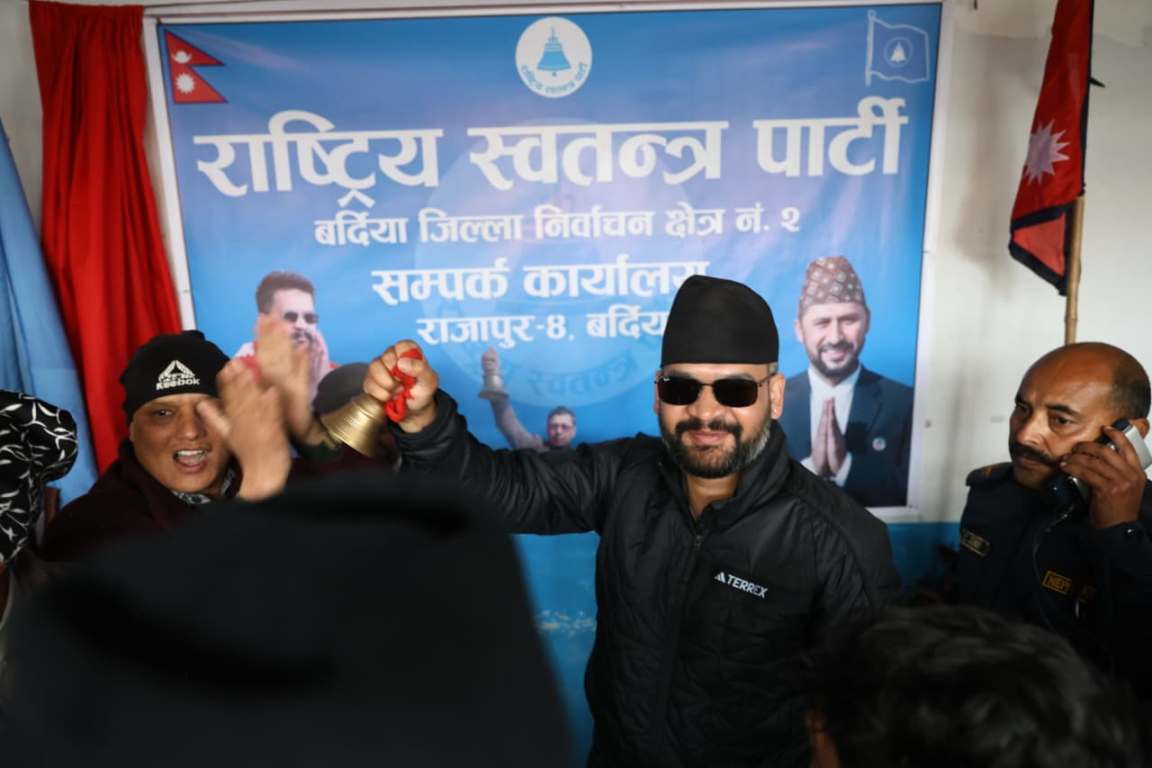
KATHMANDU: The Rastriya Swatantra Party (RSP) is set to form a single-party government under Balendra Shah (Balen) in the coming days. While Balen is poised to take office with an unprecedented popular mandate in Nepal’s political history, economists and analysts warn that his government will confront a series of internal and external challenges from day one.
Nepal’s economy has been sluggish for years, and the situation was further weakened by the September Gen-Z movement, which disrupted government operations and stalled development budget implementation. The slow spending and incomplete execution of projects have left a backlog that the incoming Balen government will need to address.
Economic backlog and Gen-Z movement aftermath
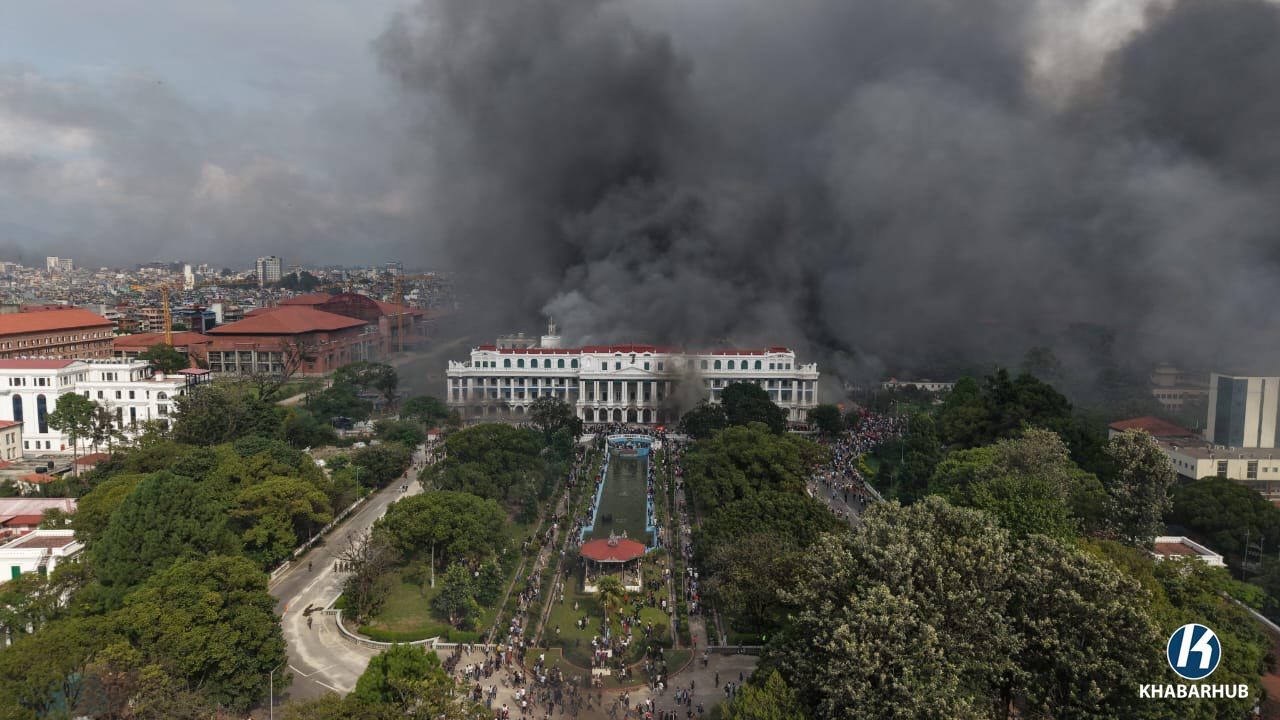
The previous government, formed after the Gen-Z movement, failed to create an enabling environment for capital expenditure, with only 20.07% of planned capital spending completed by March 23. Revenue collection reached just 51.42% of the annual target with only three and a half months left in the fiscal year.
“The incoming government will inherit stalled projects and underutilized budgets that require immediate attention,” noted economists. A recent report from Tribhuvan University’s Central Department of Economics estimated that the Gen-Z movement caused physical losses worth Rs 84.45 billion, including damage to the Parliament building, Singh Durbar, and other government offices nationwide. Rebuilding these facilities will be a key responsibility of the Balen government.
Geopolitical challenges from West Asia
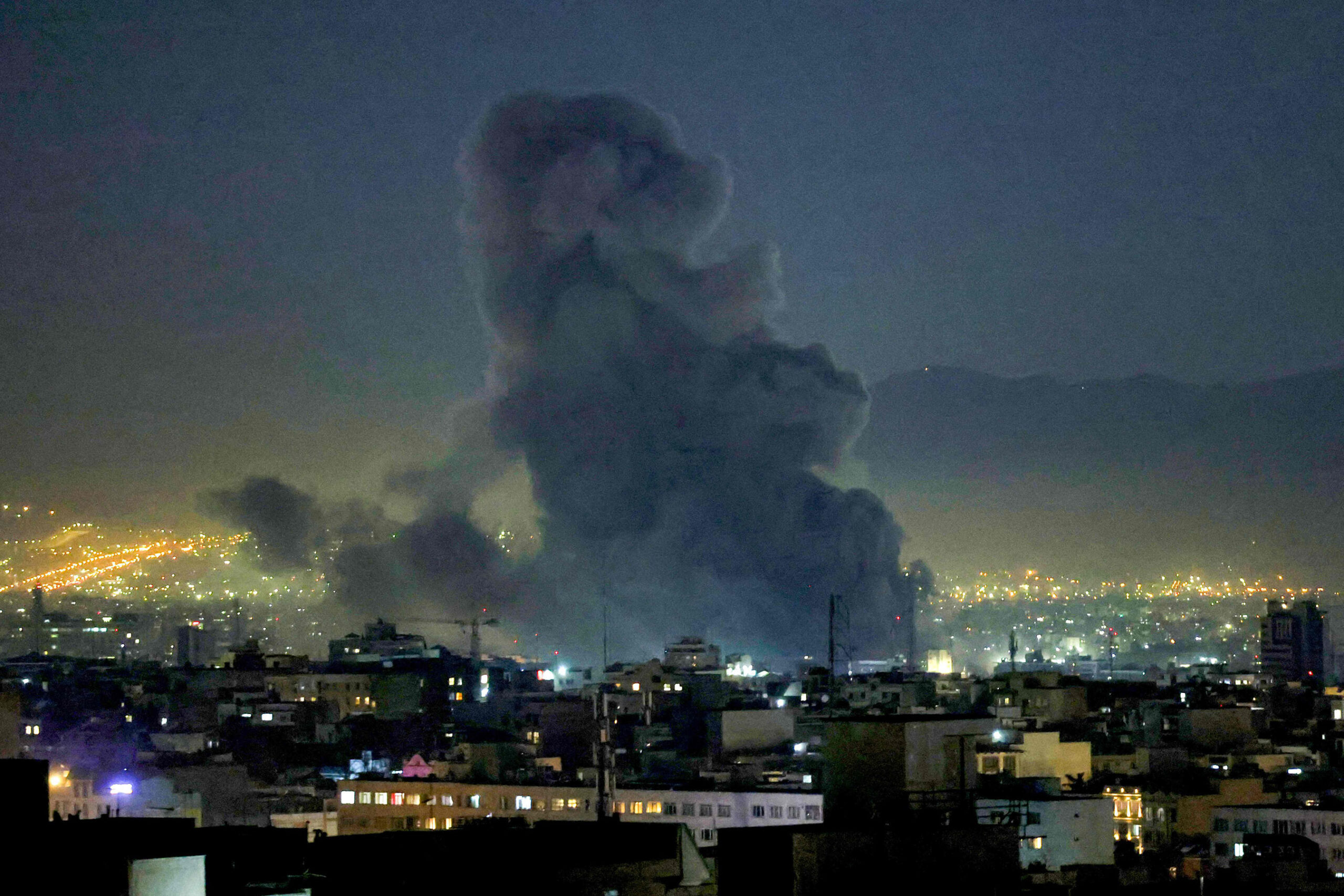
The recent conflict in West Asia, triggered by US–Israel operations against Iran, has created new challenges. Around 1.73 million Nepalis work legally in the Gulf region, which contributes the largest share of remittances to Nepal. Over 80,000 Nepalis have registered to return home due to escalating tensions, and continued conflict could severely affect both remittances and employment.
Economists warn that prolonged unrest in the Gulf may lead to energy price hikes, disruption of Nepal’s import-dependent economy, and adverse effects on the country’s GDP. Former Nepal Rastra Bank Governor Dr. Chiranjeevi Nepal highlighted that the remittance-dependent economy faces dual risks: foreign currency reserves could fall, and returning workers may require new employment opportunities.
Challenges and opportunities

While these challenges are significant, economists argue that solutions are possible. The Balen government is expected to enjoy near two-thirds parliamentary support, giving it the legislative authority to amend existing laws or introduce new policies as needed.
Experts suggest a multi-pronged strategy: improve internal governance, gradually mitigate international shocks, boost domestic production, create employment, and collaborate with the private sector. Low capital expenditure and weak revenue collection also require the government to coordinate effectively with foreign donors and create a credible environment for funding.
Economist Resham Bahadur Thapa emphasized that the government must first align the three tiers of governance and adopt a “creative destruction” approach to gradually replace outdated structures with innovative solutions. “Nepal has access to foreign funding, abundant reserves in the central bank, and even the option to print currency if required. Recognizing this potential is key for a new government to implement a forward-looking development vision,” he said.
The Balen government’s success will depend on balancing immediate economic recovery, implementing the Gen-Z movement’s reform agenda of good governance and anti-corruption, and navigating a volatile global environment. While the challenges are substantial, experts note that the government’s popular mandate and parliamentary majority provide a historic opportunity to reshape Nepal’s governance and economic trajectory.






Comment