




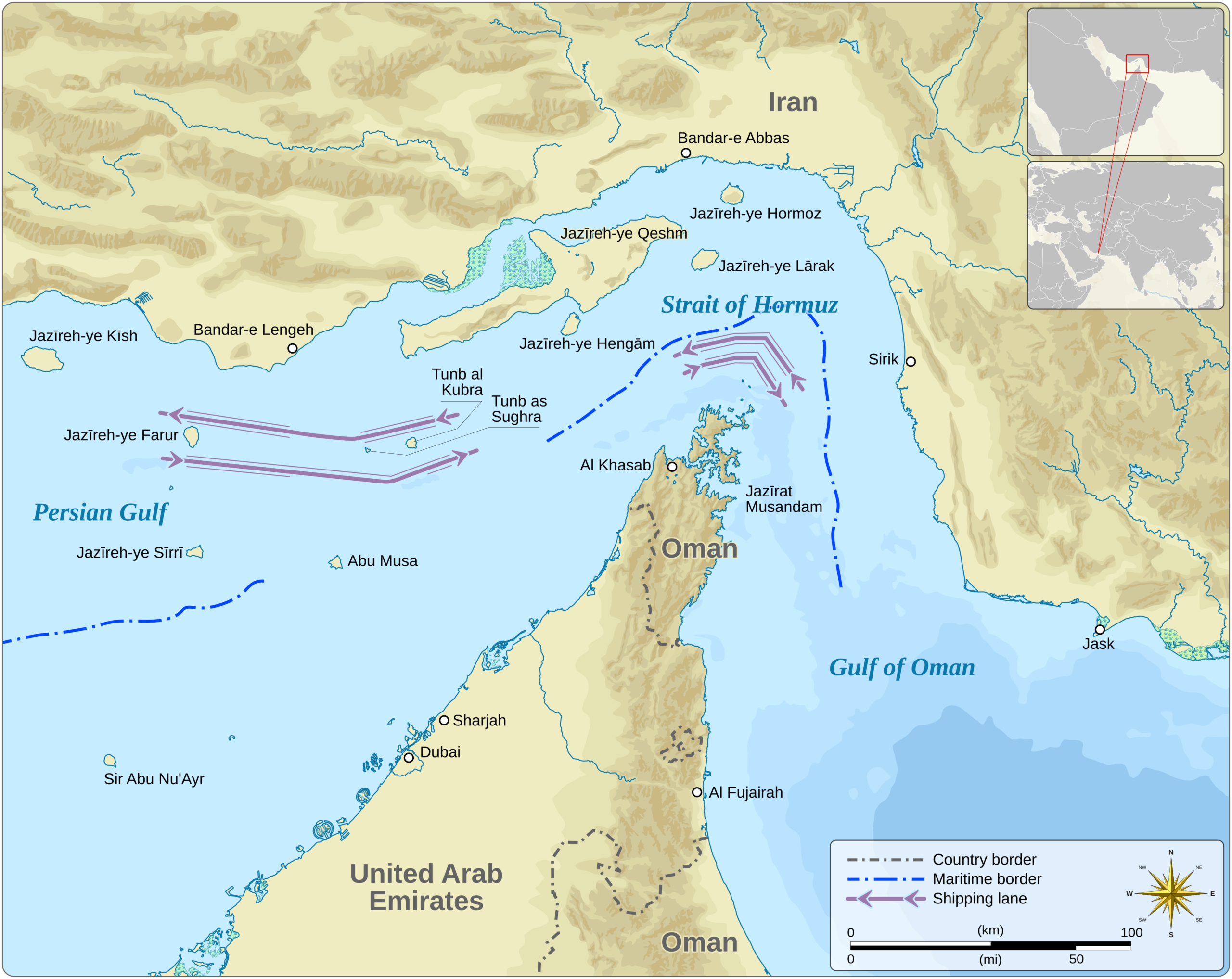
TEHRAN/ISLAMABAD: Iran’s paramilitary Revolutionary Guard has fired on a container ship in the Strait of Hormuz, damaging the vessel and further complicating ongoing diplomatic efforts aimed at resuming peace talks involving the United States and Iran.
The attack on Wednesday came shortly after U.S. President Donald Trump announced that a ceasefire with Iran—previously set to expire the same day—would be extended indefinitely to allow Tehran more time to present a unified proposal ahead of potential negotiations.
Iran has not issued any formal response to Trump’s announcement.
The strike occurred amid intensified diplomatic activity led by Pakistan, where efforts are underway to bring both sides back to the negotiating table. Pakistan Prime Minister Shehbaz Sharif welcomed the extension, calling it a crucial window for diplomacy.
“With the trust and confidence reposed in us, Pakistan shall continue its earnest efforts for a negotiated settlement of the conflict,” Sharif said on social media platform X.
Shipping tensions escalate
The United Kingdom Maritime Trade Operations Centre said the vessel was not warned before being fired upon by a Revolutionary Guard gunboat. No casualties were reported.
However, Iranian media presented a different account, claiming the ship ignored warnings before being targeted. Iranian state-linked outlets described the action as lawful enforcement of control over the Strait of Hormuz.
Earlier, U.S. forces reportedly seized an Iranian container ship and boarded an oil tanker linked to Iran’s oil trade, further escalating maritime tensions.
Iran has accused the United States of imposing a blockade on its ports, calling the move unacceptable and a barrier to negotiations.
The Revolutionary Guard warned of further retaliation, saying it would deliver “crushing blows beyond the enemy’s imagination” to its regional assets.
Strategic waterway under pressure
The Strait of Hormuz, one of the world’s most critical energy corridors, normally carries around 20% of global oil and gas shipments. Since the escalation of conflict earlier this year, shipping through the strait has been significantly disrupted, contributing to volatility in global energy markets.
Brent crude prices rose sharply in early trading on Wednesday, reaching nearly $98 per barrel—more than 30% higher since the start of the conflict.
Diplomatic efforts continue
Despite rising tensions, Pakistan continues to push for renewed talks between the two sides. Officials have expressed optimism that Iran may eventually send a delegation, although no formal confirmation has been made.
Previous rounds of negotiations held in mid-April ended without agreement, with key disputes including Iran’s nuclear program, regional influence networks, and maritime security in the Strait of Hormuz.
United Nations Secretary-General António Guterres has welcomed the ceasefire extension, calling it a “critical space for diplomacy and confidence-building,” according to his spokesperson Stéphane Dujarric.
Rising casualties reported
Since the conflict began, thousands have reportedly been killed across the region. Iranian authorities say at least 3,375 people have died in Iran, while more than 2,290 deaths have been reported in Lebanon. Casualties have also been recorded in Israel, Gulf states, and among military personnel from Israel and the United States deployed in the region.





Comment