




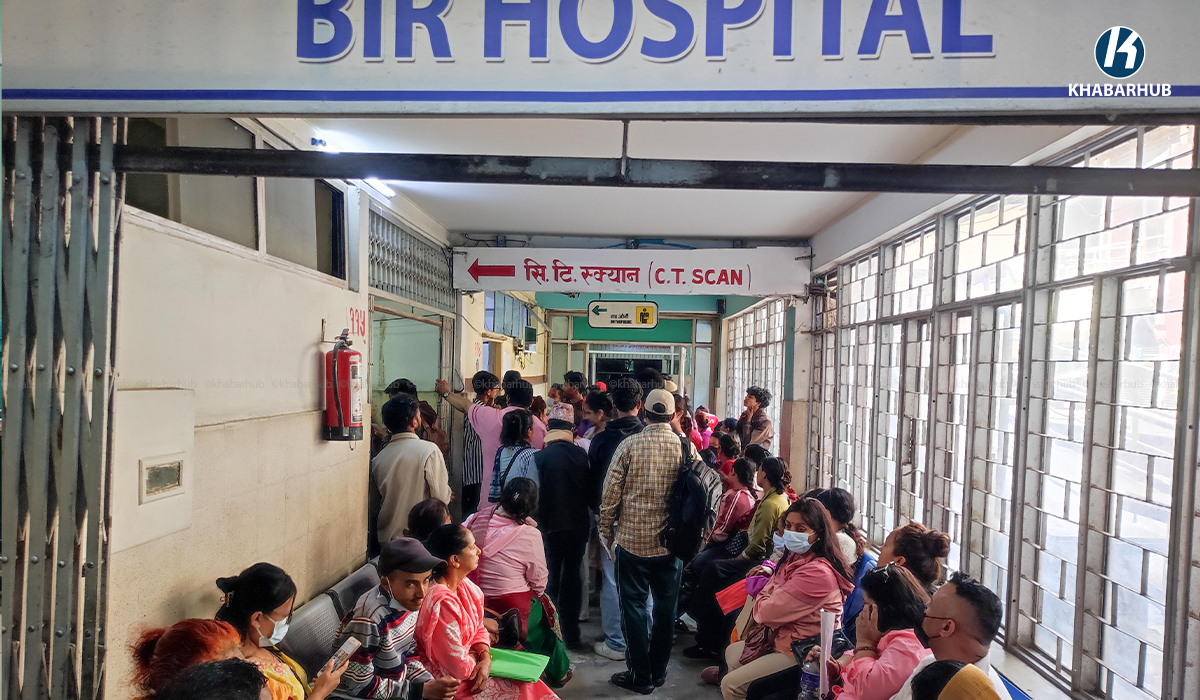
KATHMANDU: The risk of waterborne and other infectious diseases has increased across the country as continuous rainfall continues with the onset of the monsoon season.
The Ministry of Health and Population and health officials have urged citizens to remain alert as cases of diarrhoea, cholera, typhoid, dengue and respiratory infections have increased significantly in various parts of the country.
According to the latest report of the Epidemiology and Disease Control Division (EDCD), the number of infectious diseases that could potentially turn into outbreaks has been rising across Nepal.
The EDCD reported that 785 cases of acute diarrhoea were recorded across the country in the past one week alone. During the previous three weeks, the division recorded 720, 762 and 718 cases respectively.
The report also showed 500 cases of influenza-like illness, 436 respiratory infection cases, 113 dengue cases, 37 scrub typhus cases and 33 cases of fever accompanied by rashes.
Bagmati Province reported the highest number of diarrhoea cases with 380 infections. Sudurpaschim Province recorded the highest number of influenza-like illness cases with 198 patients, while Lumbini Province reported the highest number of respiratory infection cases with 107 cases.
Among dengue infections, Koshi Province recorded the highest number of cases with 43 patients. Scrub typhus cases were reported more frequently in Gandaki and Sudurpaschim provinces.
Meanwhile, the risk of cholera has also increased in the Kathmandu Valley following the start of the rainy season. Water supply disruptions from the Melamchi Drinking Water Project due to continuous rainfall have resulted in the distribution of water through tankers in several areas of the valley.
Health experts have warned the public against consuming tanker water or water from other sources without proper purification. Previous cholera outbreaks in Kathmandu, Lalitpur, Kailali, Rupandehi and Pyuthan were linked mainly to contaminated drinking water.
Dr Sher Bahadur Pun, an infectious disease expert at Sukraraj Tropical and Infectious Disease Hospital in Teku, said cholera is an acute diarrhoeal disease caused by the bacteria Vibrio cholerae.
He said the disease can rapidly reduce the body’s water and salt levels, leading to a drop in blood pressure and becoming dangerous if timely treatment is not provided. However, most patients can recover if they receive oral rehydration solution (ORS), adequate fluids and necessary medical care on time.
The Ministry of Health and Population has intensified disease surveillance, drinking water testing and public awareness campaigns in high-risk areas.
Health officials have urged people to consume only boiled or properly treated water, maintain food hygiene and wash hands with soap and water regularly to prevent infections during the monsoon period.
They have also advised people to seek immediate medical attention if symptoms such as frequent watery diarrhoea, vomiting, excessive thirst, extreme weakness or reduced urination appear.
Health experts have emphasized that safe drinking water, clean food, personal hygiene and timely treatment are the most effective measures to prevent disease outbreaks during the monsoon season.





Comment